
‘We want this to be global’: How South Yorkshire is building a blueprint for child-lens investing around the world
The Dream Big South Yorkshire Fund brings together multiple partners in a first-of-its-kind collaboration between social investors, a UK local authority and one of the world's leading children's rights organisations. We speak to Key Fund’s Matt Smith and Save the Children’s Mauricio Preciado-Awad to explore their ambitions for the fund and its potential to reshape the wider market.
It all started in the corner of a conference room in South Yorkshire. It’s February 2025, and Save the Children UK’s director of innovative finance and ventures, Mauricio Preciado-Awad has put up a banner to raise awareness of child-lens investing: a form of impact investing focused on supporting businesses that positively impact children and families – placing children’s rights and wellbeing at the centre of investment decisions.
A delegate spots it and later mentions it, in passing, to the South Yorkshire Mayoral Combined Authority (SYMCA). This simple comment starts a cascade of events that will result in the creation of the first child-lens investing fund in the UK.
The local authority reaches out to Save the Children: it’s interested, how could that work in the region? Save the Children starts work with South Yorkshire-based social investor Key Fund to put a plan together for a pilot; they present it to mayor Oliver Coppard: SYMCA is in, and it will bring in funding.
The resulting £500,000 Dream Big South Yorkshire Fund pilot was launched in June this year to support organisations that tackle child poverty in the region. It has a blended finance structure, with SYMCA providing £125,000 in grants, another £125,000 raised by Save the Children from philanthropic partners and £250,000 in social investment through Key Fund (as a mix of repayable investment and catalytic capital, including grants).
- Read more: What is child-lens investing?
The fund will provide a broad range of finance products to meet the needs of different organisations – from established social enterprises that can take repayable finance straight away, to social ventures that are more grant-dependent and need some catalytic capital before being ready to take on loans.
As part of the pilot, the first investee of the Dream Big South Yorkshire Fund is the Sharrow Community Forum, a membership organisation that supports children, families and communities through services such as youth clubs, family support hubs and free activities and food for disadvantaged children during school holidays. The social enterprise secured £100,000 in blended finance from Key Fund – including a £77,000 loan and £23,000 grant, to support it with working capital as it opens a new youth facility in the Sharrow area of Sheffield.
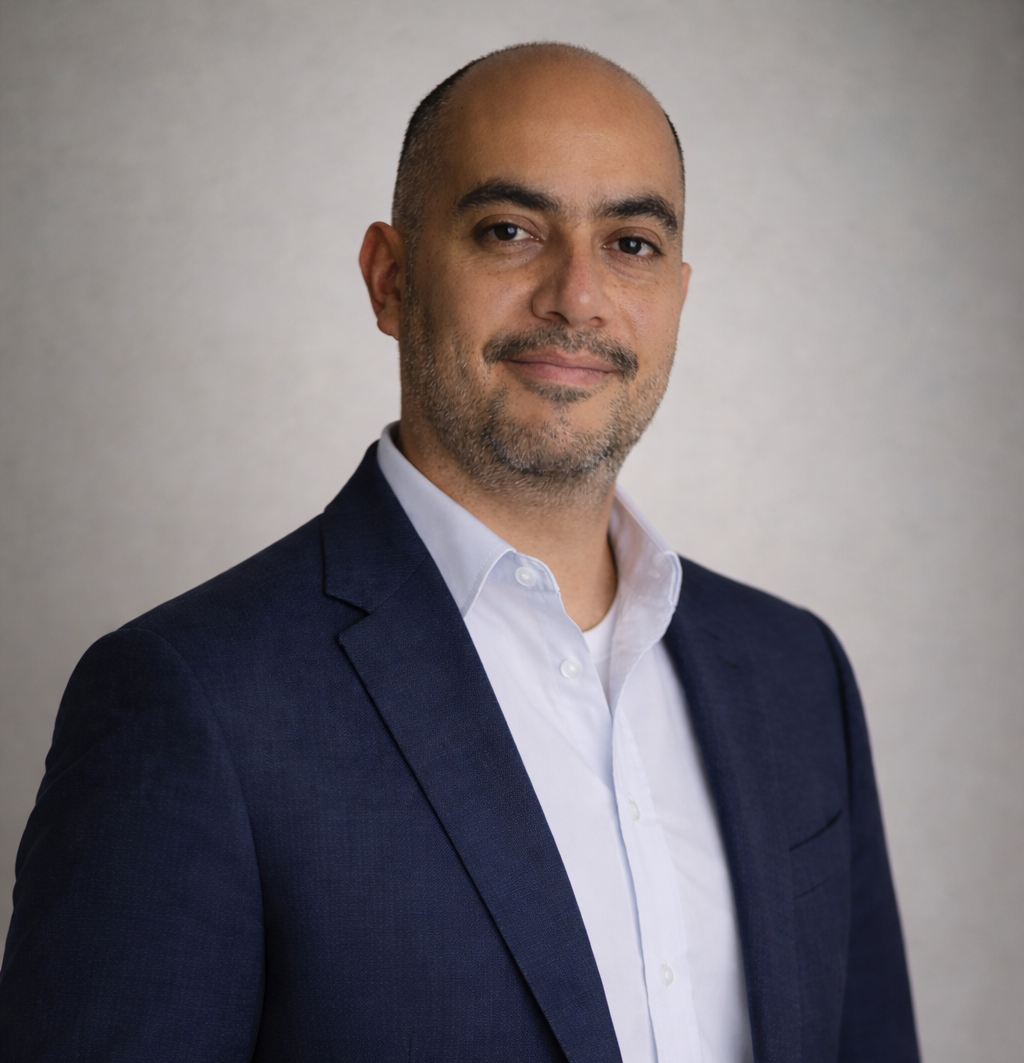 At the core of the pilot’s ambition is to understand what type of finance best suits what type of organisation, in order to build a larger fund by the end of next year. “We know that there are children that are in poverty in South Yorkshire, and we know that there are organisations that are there to support them,” says Preciado-Awad. “But we know less about the capital that they need.”
Unlike a common approach in place-based investing, when a project is designed over a couple of years, and then tested to see if it works, the Dream Big South Yorkshire Fund will use the pilot as part of the design process. “We’re doing it deliberately quite differently here,” Preciado-Awad (pictured) adds. “The pilot is going to give us the learnings that we need to be able to build a larger fund, especially in terms of the appetite that currently exists, the market that currently exists, and how much work we're going to have to do around market building.”
|
The Dream Big South Yorkshire Fund pilot Fund size: £500,000 Region: South Yorkshire Type of finance: loans, grants, blended finance, microloans, social outcomes contracts Thematic focus: child-lens investing Investors: South Yorkshire Mayoral Combined Authority (£125,000 in grants), Key Fund (£250,000, blended), philanthropic funding raised by Save the Children (£125,000, grants) Fund managers: Key Fund and and South Yorkshire Community Foundation with advisory support from Save the Children Global Ventures |
A broad range of tools for a broad range of organisations
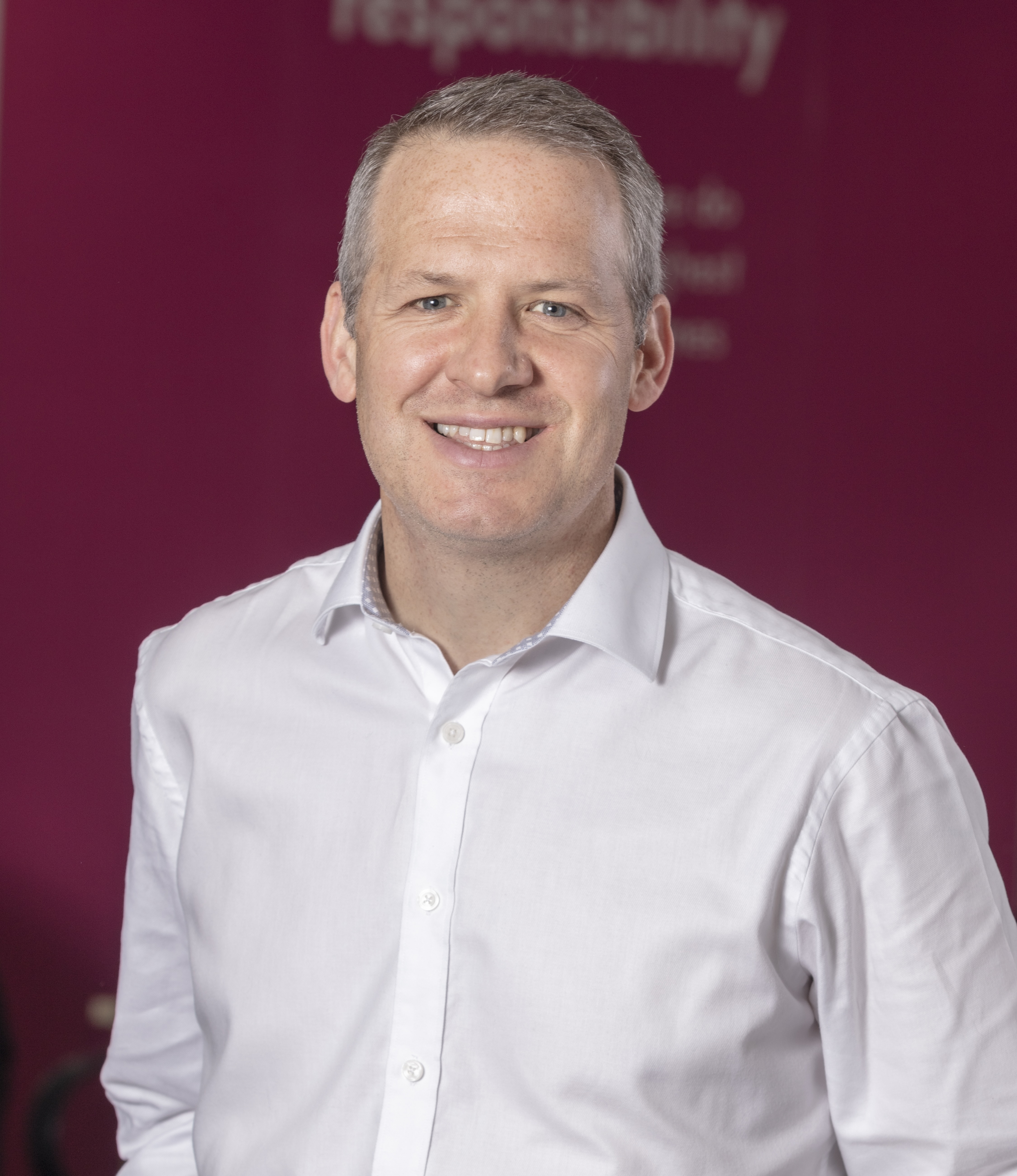 The fund is the first in the country to use the child-lens investment framework developed by Save the Children Global Ventures, the impact investing arm of the NGO, to target investments that directly benefit underserved children and families around the world. Child poverty can take many forms, explains Key Fund CEO Matt Smith (pictured). “It’s not just about being safe and then warm, it’s also about aspiration, and creating opportunities.”
Preciado-Awad explains the fund will focus on three areas: organisations supporting young people that have reached a crisis point; those tackling forms of poverty that prevent children from accessing opportunities; and ways to improve the broader systems in which child-focused organisations operate.
Investees could include, for example, social enterprises providing food to families that can’t afford healthy eating, those helping with child literacy, or community transport for young people to be able to get to local clubs or other opportunities.
It’s not just about being safe and then warm, it’s also about aspiration, and creating opportunities
In addition to providing loans and grants, the pilot will also experiment with microfinance for parents or childminders, and a social outcomes contract, in connection with the Better Futures Fund – the £500m social outcomes fund launched by the Starmer government last year to support vulnerable children.
“This isn’t about just creating a fund that provides money that’s maybe a little bit cheaper than what’s available in the market,” says Key Fund’s Smith. “This is about, fundamentally, how do we get the right money and the right support available to organisations that have aspirations to develop a more sustainable activity.”
The fund initially aims to support around 15 organisations, but Smith explains this is a rough number and that it is open to use the money in a way that best suits investees, as part of the pilot’s learning process. Key Fund is ready to provide more capital if the demand for blended finance happens to be higher, he adds. “We genuinely want to test this,” he says.
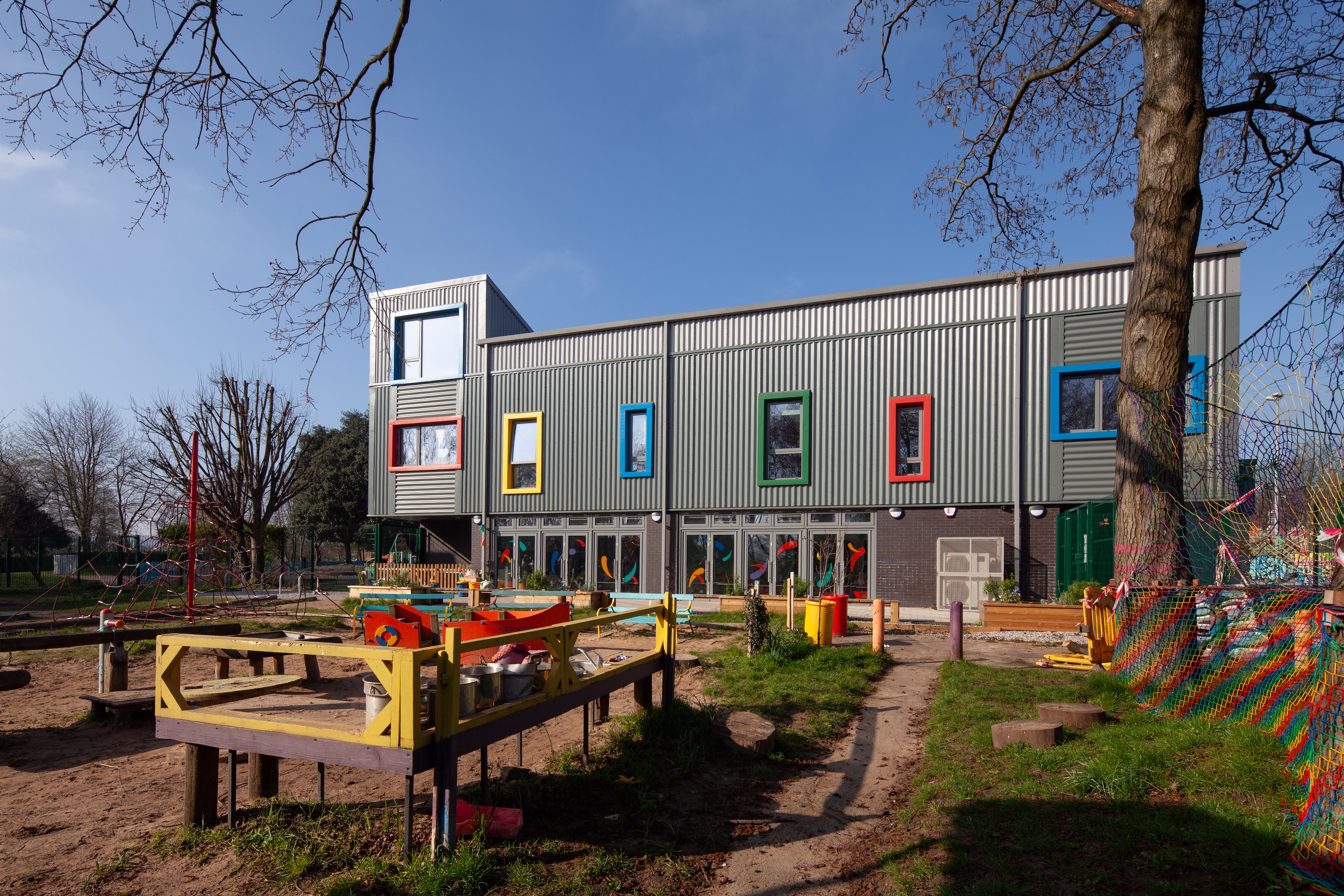
Above: Sharrow Community Forum's new youth facility, which Key Fund's investment will support trading
What made it work?
In the UK and internationally, evidence shows that blended finance is what works best to meet the needs of social entrepreneurs, but the sources of its key ingredient – the cheaper, higher risk or more patient capital that provides the flexibility market-rate investment lacks – are increasingly strained.
Efforts to build new partnerships to plug that gap have accelerated, but it is no easy feat to get different organisations, with sometimes conflicting priorities, to work with each other successfully. The Dream Big South Yorkshire Fund managed to bring together a local authority, philanthropic partners, a social investment manager and an international NGO for its pilot – in just over a year, which was surprisingly quick, according to Preciado-Awad, who has extensive experience of place-based investment projects. So what made it work?
The first element was SYMCA acting as a clear driver behind the project. “When you work on these place-based opportunities, you need an anchor organisation that is going to be an early mover and an early backer,” explains Preciado-Awad. “And this really came together because SYMCA said: ‘we want to bet on this child-lens investment agenda’.”
Another piece of the puzzle was Key Fund’s involvement: it provided an existing local social investment infrastructure – which is often missing in place-based investment projects and needs to be built from scratch, says Preciado-Awad.
But what really enabled the project to come to life was the partners’ attitude, Smith explains. “People are actually really open to how we can bring together all the talents that we've got, all the resources we’ve got…People are not being parochial or trying to defend corners. Partnerships are easy to see as a transactional thing, whereas actually I think everybody is trying to make these really relational.”
We’re trying to make sure that all of the different support that is coming to the region is joint, tight and has an agenda
The different types of funding available for places in the UK – grants, loans, outcomes contracts – are hardly ever connected, explains Preciado-Awad. “Then you end up in a situation where instead of benefiting each other, [the different types of support] end up jeopardising each other. So we’re trying to make sure that all of the different support that is coming to the region is joint, tight and has an agenda.”
Smith also credits Preciado-Awad with playing a pivotal role as an individual: having worked for several years at Better Society Capital, his understanding of both social investment in the country and the non-profit sector was invaluable. “He had the trust of everyone,” Smith explains.
But it didn’t come without challenges. Raising philanthropic funding was the hardest part, explains Preciado-Awad, mainly because it is so fragmented – only large foundations can afford to write big cheques, and otherwise, it takes almost as much effort to secure £20,000 as to raise £1m. Smith explains that fundraising for some aspects like core funding and technical assistance is always hard. “It’s less sexy”, he says, because the impact is less directly visible, even if such funding is essential for a project to hold together. “If you’re giving money, you want to see the impact being delivered.”
Another challenge comes from trying to build a “broad tent” with a variety of investors: “You still need to do your due diligence on who's part of the tent…you want to be nice and welcoming, but it still needs to work.”
Learning from each other
Within a few weeks of launching, the fund has attracted interest from other local authorities keen to see if they could replicate the initiative – an encouraging sign, according to Preciado-Awad.
“One of the big reasons why Save the Children is doing this is because we want child-lens investment to be a thing globally – and this [fund] is a really good blueprint for what that could look like.”
The findings from the pilot could inform some of the work Save the Children is doing elsewhere on child-lens impact investing, including in sub-Saharan Africa, Latin America and Asia, he adds. “All of that can learn from each other… ultimately, what we want is that every investor around the world actively thinks about children when they’re going to make a decision.”

| Ready to invest in independent, solutions-based journalism?
Our paying members get unrestricted access to all our content, while helping to sustain our journalism. Plus, we’re an independently owned social enterprise, so joining our mission means you’re investing in the social economy. |