
Collection: NatWest WISE100: Leading Women

 EXPERT INSIGHT: The School for Environmental Entrepreneurs launches today, backed with £10m from The National Lottery Community Fund. Alastair Wilson of its founding organisation, the School for Social Entrepreneurs, explains why environmental entrepreneurs need a school of their own.
Building on years of work with environmental entrepreneurs, School for Social Entrepreneurs (SSE) is launching a school that puts their environmental ambitions at the heart of its support.
Today the SSE launches the School for Environmental Entrepreneurs. The school is backed by £10.4m from The National Lottery Community Fund and delivered in partnership with the Fund. Over the next three years, we’ll support 600 environmental entrepreneurs across England. We’ve supported people doing environmental work for years. This gives us the chance to be much more focused in what we offer them. They’ll have financial backing and a chance to learn from others doing similar work. I’d like them to come away knowing who they can contact when they’re trying to work out what to do next.
The idea grew out of our work with entrepreneurs whose ambitions for people and the environment often go hand in hand. Many were already coming to SSE with enterprises that addressed both. Over time, we began to look more closely at what would help them develop the environmental side of their work, and started working with foundations to run programmes with that focus.
By 2017, we could fill the places, but the programmes tended to be one-offs. That made it harder to build lasting relationships with people working in the environmental sector. Before we took the idea of a school any further, we wanted to understand what entrepreneurs would value and how it might fit alongside the support already on offer.
People wanted to learn from others running environmental enterprises and get to grips with questions specific to their work, such as how to measure the environmental difference they were making
So we commissioned an independent feasibility study, part-funded by the Esmée Fairbairn Foundation. The researchers spoke to more than 50 people, including entrepreneurs who’d studied with us, others who hadn’t, funders and eight organisations already supporting environmental entrepreneurs. One thing that came through was that it mattered who else was in the room. People wanted to learn from others running environmental enterprises and get to grips with questions specific to their work, such as how to measure the environmental difference they were making.
The researchers recommended giving the school its own name and identity within SSE. That made sense to me. We could build on our experience of helping people start and grow an enterprise, and bring in practitioners who understood the environmental problems they were tackling. We couldn’t find the funding to take it further then, but our staff and board kept coming back to it. Now, with The National Lottery Community Fund, we can put that idea into practice.
I was a student in the very first year of the School for Social Entrepreneurs. Plenty of us felt like imposters. It was hard to find a funder willing to back an individual. Then Michael Young put two words together, ‘social’ and ‘entrepreneur’, and gave us somewhere to go. For those of us in that first year, it meant a great deal that someone thought our work mattered enough to set up a school for it.
I think about someone bringing neighbours together around a community energy project, or exploring how AI could help monitor local biodiversity. Others might be developing new biomaterials or running a repair café. There’s room for all sorts of ideas, and some of the people behind them may never have thought of themselves as environmental entrepreneurs. I’d love them to hear the name of the school and think, ‘That sounds like me.’
Take Citizen Zoo (pictured top), which works with London communities to bring back wildlife, including beavers and water voles. Some businesses that had tried its corporate volunteering days were already coming back. Ben Stockwell, its senior rewilding manager, wanted to see whether those relationships could provide a steadier income for the rewilding work.
On SSE’s Growth and Resilience programme, Ben worked on that question with his mentor and in sessions led by practitioners. As he puts it, “The programme has helped us fine-tune our offering, make it more professional and explore opportunities to develop long-term strategic partnerships.”
What's on offer at the School for Environmental EntrepreneursWe’re inviting environmental entrepreneurs across England to apply for one of three free, nine-month programmes. Each combines practical learning and peer support with a Match Trading grant linked to growth in trading income. The grant depends on the programme:
See www.the-see.org Read more: Match Trading: how grants are unlocking commercial opportunities for social enterprises |
Someone coming to us will know a fair bit already. They’ll know what’s been tried locally and what their community might get behind. What they need may be some money to try something new or a conversation with someone who’s done it before. For me, that’s what agency means. It’s being able to say, ‘I’m going to do this in my community, in my way’, and having the means to give it a go.
There’s an economic question too. If that work creates jobs or gives people a chance to learn new skills, why shouldn’t the community that got it going get a slice of the action? I see real potential here to contribute to the government’s agenda on jobs, skills and growth. If it were my own money, I’d back people who understand the problem and have already shown they can get others involved. I’ve seen how quickly someone like that can get things moving.
There’s a point from the study that I want us to keep in mind as we open. Most of the support organisations the researchers interviewed welcomed the idea. They also told us to be realistic about the time and effort it would take to build our expertise in their field. That was fair advice then and it still is.
We’d welcome conversations with people doing this work now. Where is good support hard to find? Who might we miss? What could we do together? We’ll need help answering those questions, and we’re open to changing how we work in light of what we hear.
It’s easy to feel anxious about climate change and the loss of nature. What makes me optimistic is that the people who first gave us the idea for this school were already acting on those concerns. I’d love them to have a hand in shaping it, and to see what more they can achieve with sustained support.
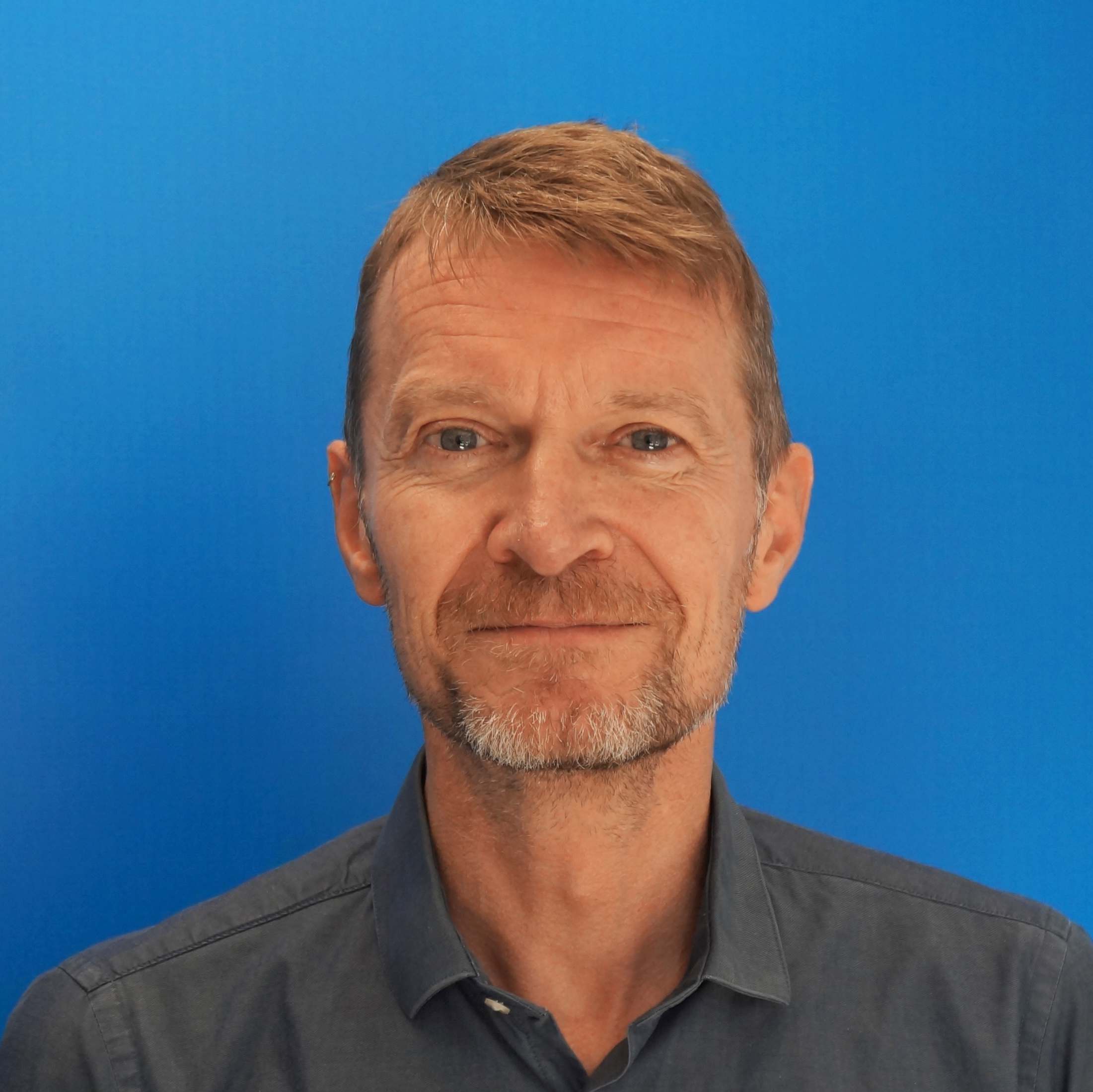
Alastair Wilson is CEO of the School for Social Entrepreneurs
Header photo courtesy Citizen Zoo

| Ready to invest in independent, solutions-based journalism?
Our paying members get unrestricted access to all our content, while helping to sustain our journalism. Plus, we’re an independently owned social enterprise, so joining our mission means you’re investing in the social economy. |