A new prime minister means uncertainty for the UK’s impact economy, and this week’s move of the Office for the Impact Economy out of the “heart of government” is leaving more questions than answers. How could the sector future-proof its relationship with government?
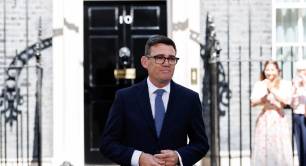
Is the Office for the Impact Economy’s new home in DCMS a deprioritisation or an opportunity? As the dust settles after Andy Burnham became prime minister on Monday, social entrepreneurs, impact investors and others consider their new position in the political landscape.
OPINION: The UK's impact economy must seize the moment with the move of The Office for the Impact Economy to DCMS. Published today, a new proposal for how to define it from NPC and Social Investment Business should help.
Will geopolitics push social enterprise to the bottom of the inbox? Will power be truly shared through devolution? Will progress made so far be forgotten? We asked leaders from across the impact community to share their perspective on the new PM.
Mission-led businesses are more resilient and grow faster than the UK average, but they still only represent a small fraction of the UK’s business landscape, reveals study of Companies House data produced by Allia Impact and Beauhurst Insights.
NPC's valuation of an impact economy worth £428bn is a useful provocation, not a policy plan, says Peter Holbrook. If we let investor-friendly definitions set the rules, we will bake in the very inequalities we claim to fix.
Leading voices from UK social enterprise, co-operatives and social investment have raised concerns over a “landmark” definition of the ‘impact economy’ that risks alienating a number of impactful organisations.
The 'social economy' is well established in many parts of the world, but the newer concept of 'impact economy' is increasingly taking ground – and it's not to everyone's liking. This week's view from the Pioneers Post newsroom.
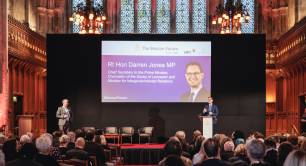
Partnering with philanthropists, impact investors and mission-led businesses should become the norm across government, says Darren Jones, but concerns emerge that grassroots organisations might struggle to be heard by policymakers.