OPINION: Hopes are up for the sector as prime minister Andy Burnham’s refreshed political priorities have made ministers more receptive to the message of the social enterprise community, writes Social Enterprise UK’s Jovan Owusu-Nepaul.
This week: German social enterprise advocates disappointed at country’s new startup strategy; UK social enterprises and co-operatives included in new government’s talks with business; social and solidarity economy in Mongolia mapped; and more...
A new prime minister means uncertainty for the UK’s impact economy, and this week’s move of the Office for the Impact Economy out of the “heart of government” is leaving more questions than answers. How could the sector future-proof its relationship with government?
Is the Office for the Impact Economy’s new home in DCMS a deprioritisation or an opportunity? As the dust settles after Andy Burnham became prime minister on Monday, social entrepreneurs, impact investors and others consider their new position in the political landscape.
Will geopolitics push social enterprise to the bottom of the inbox? Will power be truly shared through devolution? Will progress made so far be forgotten? We asked leaders from across the impact community to share their perspective on the new PM.
This week: Church of England’s £100m fund to address slavery link faces legal challenge, the GIIN’s CEO and co-founder Amit Bouri to step down, new report shows enterprise activities can help charities be more resilient, and more.
Many in the social enterprise and impact community are excited by the near-certain arrival of the former Greater Manchester mayor to Number 10. But are we putting our expectations too high? This week's view from the Pioneers Post newsroom.
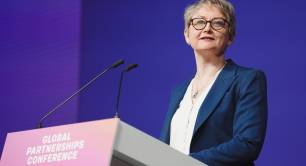
North Star initiative launched at Global Partnerships Conference last week, as UK ministers seek to improve cooperation across sectors and give more agency to countries in the global south – while development aid cuts bite.
This week: UK social enterprises recognised in King’s Awards for Enterprise, Bob Geldof backs social enterprise model to fight homelessness, Better Futures Fund looks for a delivery partner, and more.