


The social entrepreneurs who are making 'systems change' a reality
UnLtd, the UK's foundation for social entrepreneurs, has spent the past year working with a group of founders with ambitions to create lasting system change, tackling some of society’s most deep-set problems. Drawing on their experiences and successes, UnLtd's Sabina Peck and Becki Hawkes explore the different ways in which this change can take place – and why social entrepreneurs are so well placed to create it.
“System change” is a term that gets used a lot in the impact economy and social enterprise – but what do we actually mean by it?
For many people, it evokes powerful, political shifts – MPs getting bills through the House of Commons after months of tireless campaigning or Ministers caving to pressure and announcing transformative new policies.
Because we’ve learned to think of “the system” as something we’re inextricably enmeshed in, we often assume that changing it necessitates political muscle and influence. But our recent work with a group of founders with explicit ambitions to create lasting system change, tackling some of society’s most deeply embedded problems, has helped us see the reality differently.
Some of these founders wanted to rework the systems that cut off opportunity for refugees and people rebuilding their lives after domestic abuse. Some focused on the societal barriers that hold many young people back. Others targeted the UK’s care system, looking to improve outcomes for the thousands of children who rely on it and the carers who support them.
Our recent work with a group of founders with explicit ambitions to create lasting system change... has helped us see the reality differently
Our work together, supported by the Henry Smith Foundation, has helped us appreciate that system change can take place at multiple levels, including from the ground up – encompassing how systems are delivered and experienced, as well as how they’re structured and designed.
Opening eyes: system change through education
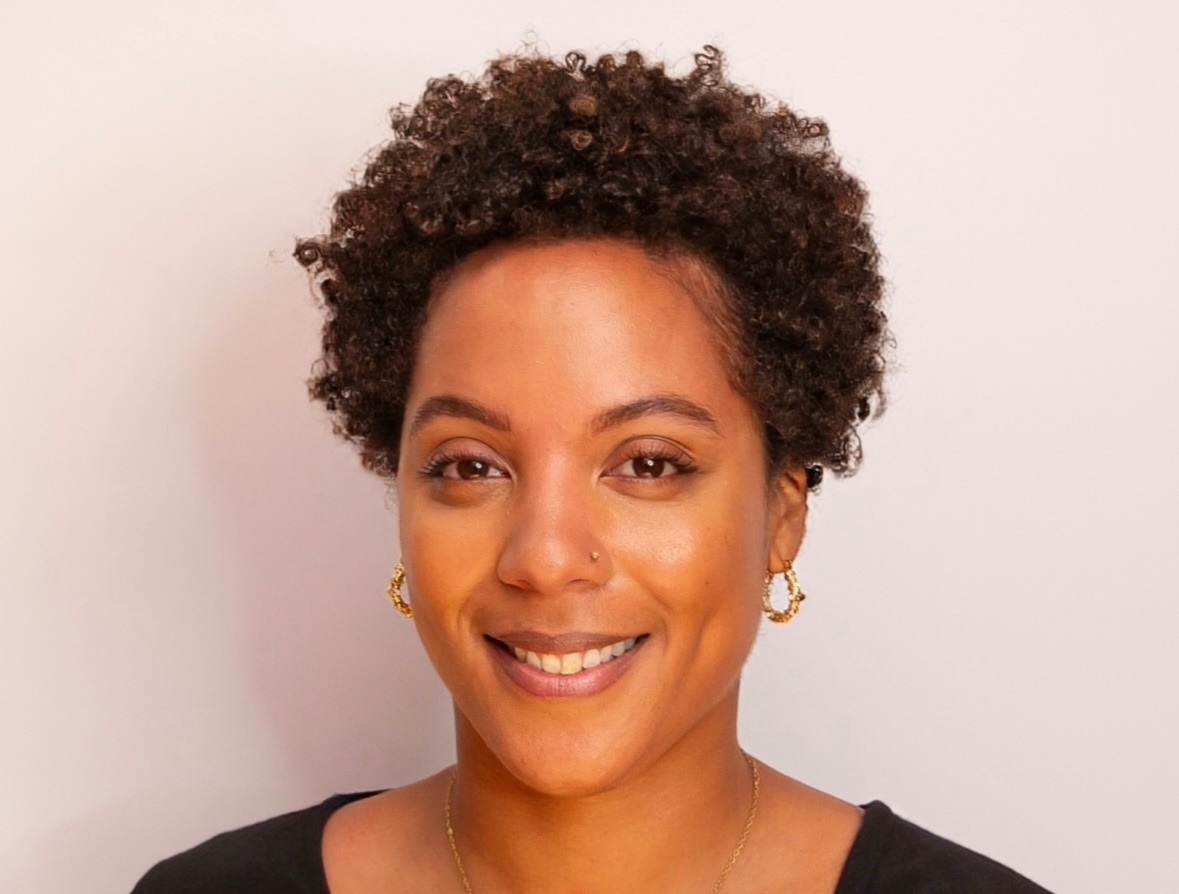 One of the founders we worked with was Aisha Lysejko (main picture and left), whose organisation 2040 Leaders empowers young professionals and people entering the workplace for the first time.
Aisha knew that many young people, including those from marginalised backgrounds, were starting work without the unspoken understanding of workplace etiquette and informal knowledge they needed to thrive. Employers were consequently assuming they lacked engagement and basic professional skills – without recognising that differences in background, opportunity and experience could shape how confidently young people navigated the expectations of the workplace.
2040 Leaders helped tackle this problem, changing attitudes and bridging the inter-generational understanding gap. Aisha further built on this by engaging universities, schools and sector organisations in the discussion, advocating for a stronger focus on supporting young people already in work, as well as those struggling to access opportunities in the first place.
What she initially didn’t realise was that the targeted interventions she was making would ripple outwards. By educating employers and educational leaders about the problem, and sharing her expertise at early career-focused conferences, she provided the insight they needed to better meet the needs of the young people affected.
In this case, system change didn’t have to mean a complete overhaul of existing work and apprenticeship schemes. Instead, it meant changing how those services were being delivered within the existing system – with this change driven by an improved understanding and empathy among the people responsible.
Elevating voices: system change through improved access to platforms
Supporting people in owning, understanding and sharing their experiences and insight can offer a similarly non-direct but powerful pathway to change.
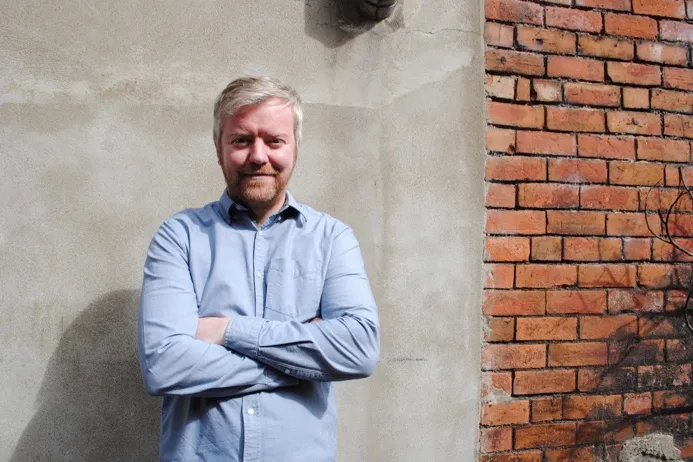 When Northern Ireland-based Voicing the Void founder Rory Doherty (pictured, right) began his work with refugees, people impacted by serious crimes, and people rebuilding their lives following domestic abuse, he initially wondered if the system change he envisaged – in which the voices of vulnerable people would be taken into account by those in power – could best be created via direct campaigning.
Instead, he focused on supporting people directly, through restorative storytelling, community engagement and leadership and advocacy training. His work helped ensure that people being left out of important conversations could be connected with relevant decision-makers and authorities, as well as wider audiences.
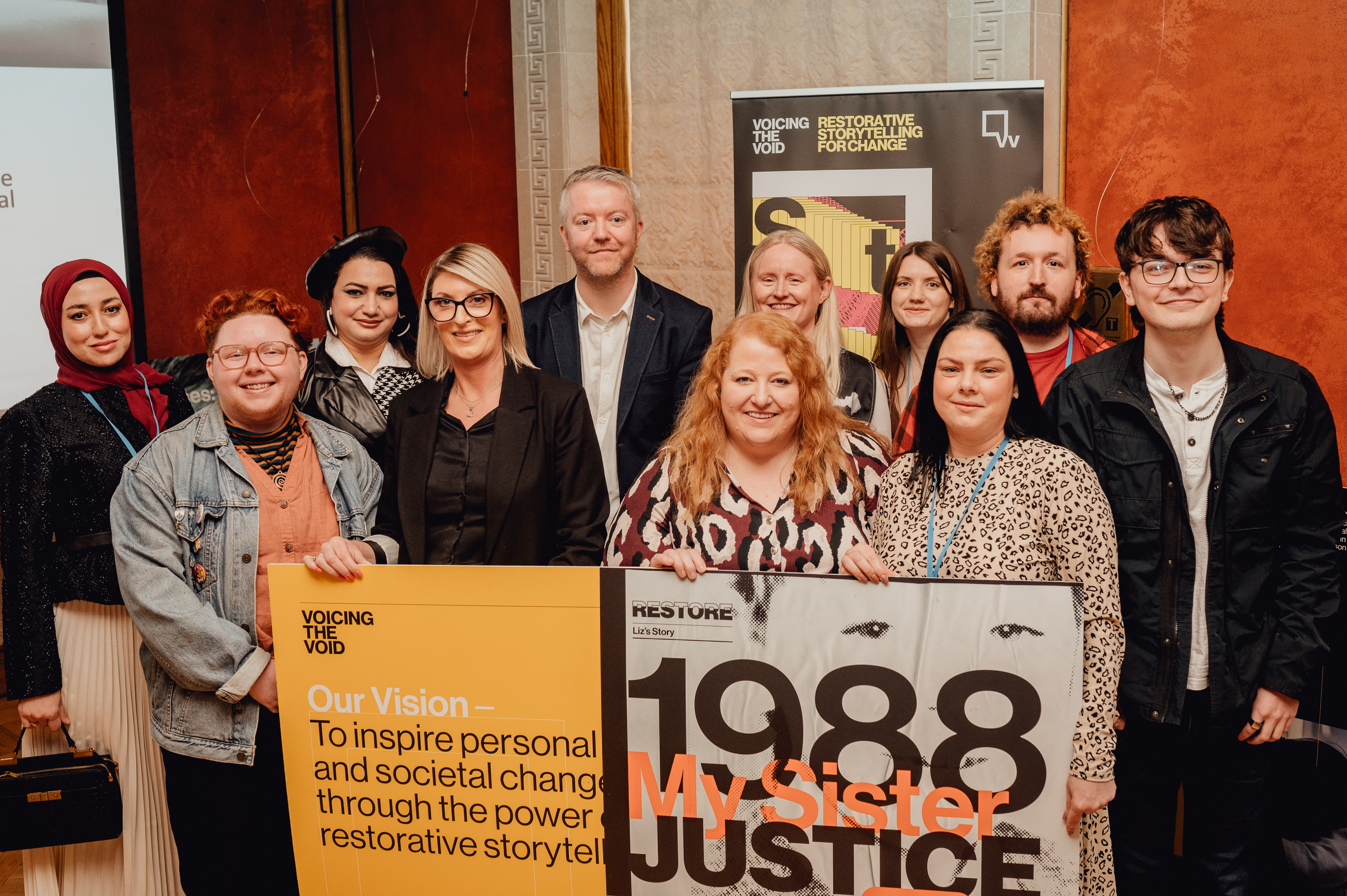 One of Voicing the Void's key milestones was when the victim of a serious crime, Liz Adair (pictured above in the beige and black dress, front right, at the 2025 Imagine Belfast festival), was given the support she needed to share her experiences and deliver a victim impact statement at a parole board hearing. A first for Northern Ireland, this breakthrough saw Rory's organisation act as the bridge between Liz and those in a position of power, ensuring her voice wasn’t left out of decisions that would directly impact her.
Together, she and Voicing the Void are now working with the Commissioner for Victims & Survivors for Northern Ireland to shape the country’s approach to victim support, sparking the way for further change in this area.
Liz and Voicing the Void are now working with the Commissioner for Victims & Survivors for Northern Ireland to shape the country’s approach to victim support, sparking the way for further change in this area
Another of the organisation’s achievements included supporting Syrian refugees in telling their stories and bringing them to their wider community. After a local woman heard their experiences, she decided to challenge her own prejudices and pro-actively welcome a Syrian family to her street, helping them feel settled.
Small steps like these won’t overhaul a country’s justice or immigration systems – but they can change how people affected by these systems experience and engage with them. By restoring a sense of dignity and ownership, it gives them the confidence to speak out in situations where they may have previously been silenced, advocate for themselves, and drive their own change going forward.
Filling gaps: system change through stronger systems
Another way social entrepreneurs can create system change is to identify the needs that existing systems aren’t meeting and provide a practical way to bridge the gap.
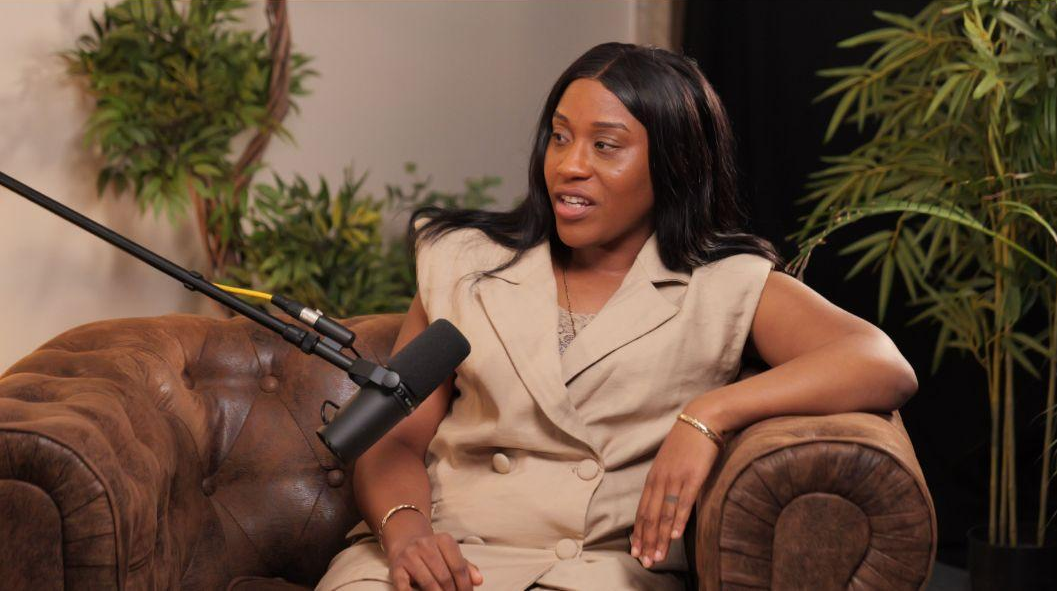 Rachel Cole (pictured, left), founder of Black Foster Carers Alliance, was acutely aware of the challenges facing the UK’s foster care system.
While over 80% of the foster carer workforce is white, roughly 25% of children in care are black and global majority children. Seeing how poorly many foster carers were equipped when it came to supporting children from ethnic backgrounds different to their own, Rachel began providing practical resources and support to address this gap, offering guidance on everything from haircare and food to language.
Alongside this, her organisation helps recruit and retain black and global majority carers through access to mentoring, community networking and peer support, helping address this key imbalance within the system.
In 2026, Black Foster Carers Alliance built on this work by producing and releasing a documentary, Fostering In Colour. Spotlighting black foster carers, the film celebrates their stories, while simultaneously raising awareness of the need for culturally responsive care.
The support and education that Rachel provides isn’t intended to replace or bypass existing foster care systems. Instead, Rachel’s own experiences of the system, as a former foster carer and social worker, have allowed her to operate alongside local authorities, strengthening their capacity to meet the needs of children and their carers.
Changing rules: system change through policy engagement
This isn’t to say that work done by social entrepreneurs can’t lead to national policy changes – or that social entrepreneurs can’t influence policymakers in more direct ways.
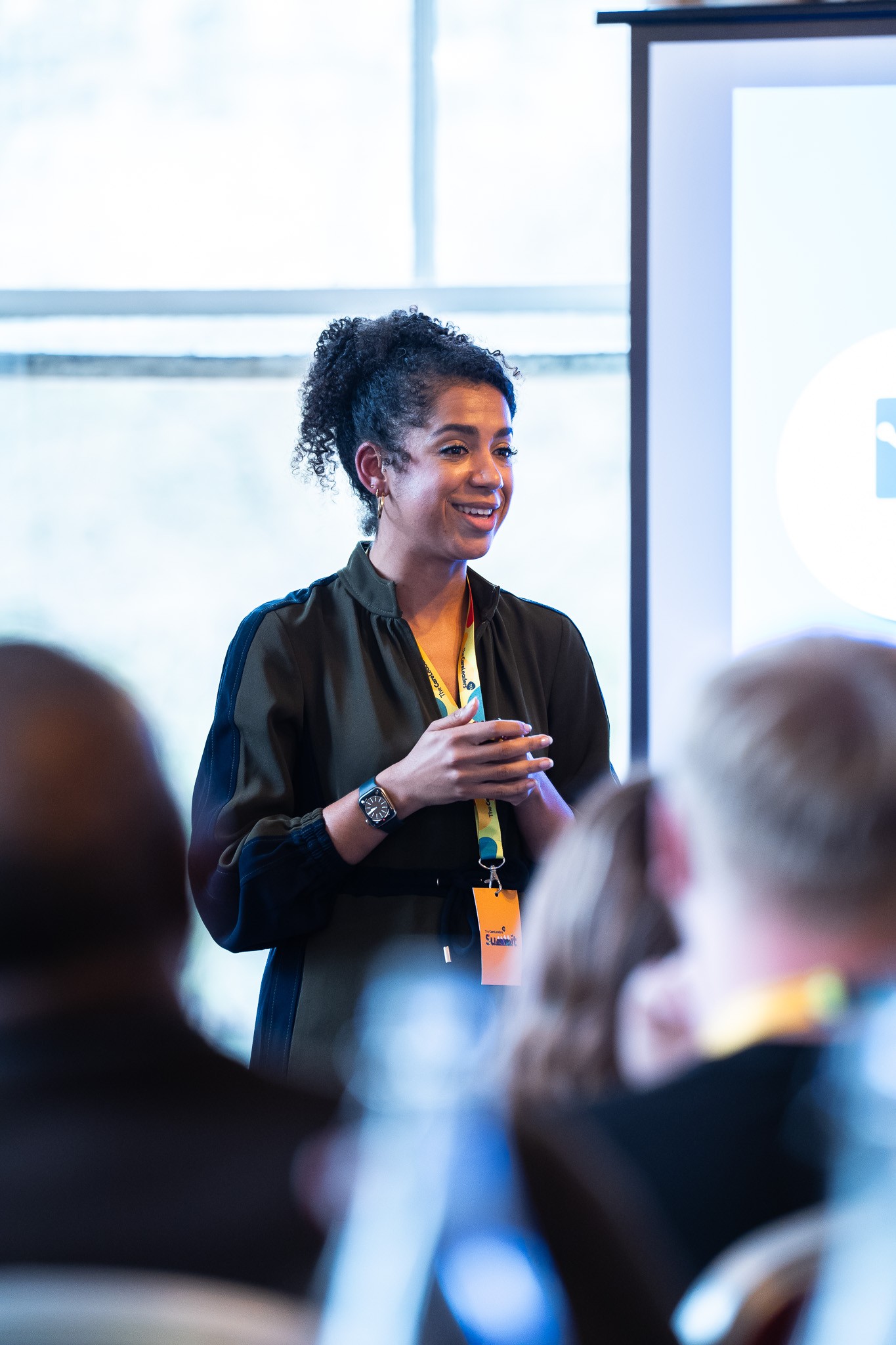 Like Rachel, Why Care? founder Niketa Sanderson-Gillard (pictured, right) is active in the UK’s foster care sector, where she focuses on improving the experience of foster carers.
Niketa and Rachel both helped shape UnLtd’s new Fostering Innovation Accelerator, which launched in September 2026. Supported by the Henry Smith Foundation, the programme supports social entrepreneurs working within the UK’s foster care system and aims to address the barriers that can prevent minoritised, disabled and 14+ young people accessing the care they need.
Targeting the recruitment and retention of foster carers, Niketa partners with local authorities to improve the arduous, often off-putting assessment process for potential carers and improve the important first year of caring.
Alongside this on-the-ground work, however, she has also brought her expertise to national conversations, working with the Department for Education to rewrite the national minimum standards for foster carers across the country.
Why social entrepreneurs matter
Our experiences across the past year have reaffirmed that social entrepreneurs are uniquely placed to create system change. They often have close experience of the problems they are trying to solve, bringing legitimacy and practical expertise that can help them collaborate with local service providers and authorities. At the same time, they remain independent from the systems they want to challenge, which frees them to experiment with new approaches and spot the issues larger institutions may overlook.
Social entrepreneurs often have close experience of the problems they are trying to solve. At the same time, they remain independent from the systems they want to challenge, which frees them to experiment with new approaches
Looking forward, we need to remember that the impact they create can take many forms, and that system change should be thought of as a spectrum rather than a hierarchy. Engaging with policymakers to inform top-down solutions matters – but so too do the ripple effects of better education and understanding, on-the-ground solutions to embedded problems, and the platforming of marginalised voices.
Sabina Peck is a senior researcher and Becki Hawkes is communications manager at UnLtd
Photo credits: Main photo, Aisha Lysejko, founder of 2040 Leaders speaks at a recent panel event, image credit Aisha Lysejko; Voicing the Void founder Rory Doherty. image credit Voicing the Void; Liz Adairand Rory Doherty at the 2025 Imagine Belfast festival with Voicing the Void. image credit Voicing the Void; Rachel Cole, founder of Black Foster Carers Alliance. image credit Rachel Cole; Niketa Sanderson-Gillard, founder of Why Care, image credit Niketa Sanderson-Gillard.

| Ready to invest in independent, solutions-based journalism?
Our paying members get unrestricted access to all our content, while helping to sustain our journalism. Plus, we’re an independently owned social enterprise, so joining our mission means you’re investing in the social economy. |