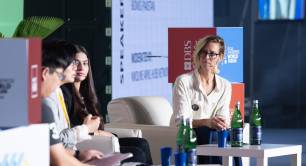
Impact assets under management in Spain grew by more than 50% between 2023 and 2025, shows fresh research which was previewed at this week’s annual ‘Camino al Impacto’ event in Madrid.
OPINION: Hopes are up for the sector as prime minister Andy Burnham’s refreshed political priorities have made ministers more receptive to the message of the social enterprise community, writes Social Enterprise UK’s Jovan Owusu-Nepaul.
Social Enterprise World Forum’s Social Investment Manifesto calls for a reframing of social investment, as social enterprises remain excluded from investment opportunities in a market still split between profit maximisation and philanthropy.
Impact conferences are an opportunity to discover perspectives from around the world. This month, Pioneers Post was in India and Brazil to bring you the latest on the conversations that matter for social entrepreneurs and impact investors.
Powerful stories of the fight for a safe place to learn find a global audience in New York and beyond, as Theirworld’s annual youth-led newspaper is launched on the sidelines of the UN General Assembly.
Clothing poverty is an overlooked social problem, says social enterprise Give Your Best founder Sol Escobar, despite the UK’s mountains of fashion waste.
OPINION: Have heads of state and business leaders lost sight of the importance of social innovation? At the World Economic Forum Annual Meeting, Daniel Nowack found social entrepreneurs continuing to inspire politicians and corporations.
Experts advocate for small scale AI models, open-source tech and cross-discipline collaboration as answers to AI's ethical maze. This week’s view from the Pioneers Post newsroom.
FILM: Do we grasp the latest AI technology to amplify our impact, or steer clear for fear of causing harm? At SEWF25 in Taipei we explored cutting edge ideas with leading social entrepreneurs, and dived into the ethical conundrums of AI with global experts.
Partnering with philanthropists, impact investors and mission-led businesses should become the norm across government, says Darren Jones, but concerns emerge that grassroots organisations might struggle to be heard by policymakers.
EXPERT INSIGHT: From homelessness to elderly care, 75% of local authority spending is on people-focused services. But the way these services are commissioned is based on law designed for products, stifling new solutions and deterring investors.
NPC’s new mapping of the UK’s ‘impact economy’ has triggered a debate on what should and shouldn’t be included in this ecosystem. To be expected, but was it really the primary purpose of the research?
Ten young people from around the world will report on issues and potential solutions in their communities as part of an ongoing partnership with global education charity Theirworld.