As protests grow around the world against the building of massive, environmentally destructive data centres to serve the ever growing demands of AI, one Australian social entrepreneur has developed a different type of AI data centre which meets his organisation’s social values.
Impact assets under management in Spain grew by more than 50% between 2023 and 2025, shows fresh research which was previewed at this week’s annual ‘Camino al Impacto’ event in Madrid.
OPINION: Hopes are up for the sector as prime minister Andy Burnham’s refreshed political priorities have made ministers more receptive to the message of the social enterprise community, writes Social Enterprise UK’s Jovan Owusu-Nepaul.
Social Enterprise World Forum’s Social Investment Manifesto calls for a reframing of social investment, as social enterprises remain excluded from investment opportunities in a market still split between profit maximisation and philanthropy.
John Swinney, the new Scottish first minister, has been a long-term champion of the social enterprise sector. This week’s view from the Pioneers Post newsroom.
The most interesting news snippets from around the world. This week: blended finance deals rebound after 10-year low, why philanthropy must adopt futures thinking, and a frothy campaign from social enterprise Hubbub.
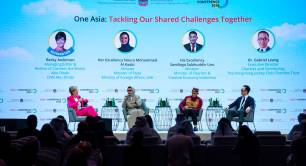
Asia is a region of both massive potential – and enormous need. So what role should the global impact community play to address the issues and realise the opportunities? We returned from AVPN's 2024 conference with some key insights.
The UK's social investment wholesaler goes from big to better, ‘systemic investing’ unpacked and expert insights on how to crush imposter syndrome. This week’s view from the Pioneers Post newsroom.
The most interesting news snippets from around the world. This week: Patagonia takes a swipe at rabid consumerism, Change Please lands big Nespresso deal, Canada social enterprises line up opportunities to score at World Cup, and more.
Big Society Capital says rebrand as Better Society Capital will create future opportunities and enable it to more easily approach potential new partners who don’t have prior knowledge of its history.
With European Parliament elections fast approaching, leaders from across Europe’s impact community publish an open letter calling on politicians not to give in to pressure groups lobbying for a U-turn on green policies.
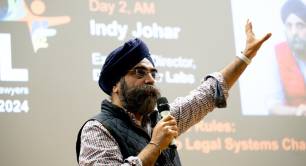
Indy Johar challenges GAIL summit delegates to aim for radical environmental justice, while other speakers discuss how lawyers hold businesses accountable and whether EU sustainability laws could have a negative impact on the Global South.
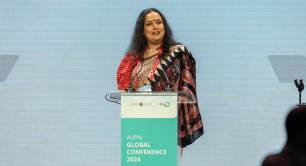
At this week’s AVPN Global Conference – held for the first time in the United Arab Emirates – the social investors’ network points to untapped billions held by Muslims, Hindus, Buddhists, Christians and others, which could transform the region.