
Collection: Social Enterprise World Forum


Social Enterprise World Forum’s Social Investment Manifesto calls for a reframing of social investment, as social enterprises remain excluded from investment opportunities in a market still split between profit maximisation and philanthropy.
The Social Enterprise World Forum has launched a global manifesto calling for a transformation of the social finance landscape to enable more social enterprises to access investment and grow their impact.
Currently, social enterprises are often excluded from investment opportunities that are designed for organisations that are either conventional businesses (pursuing profit maximisation), or philanthropy-based, grant-dependent organisations, SEWF’s Social Investment Manifesto explains. The document is based on consultations with stakeholders from across the social enterprise ecosystem – from social entrepreneurs and support organisations to social investors and policymakers.
 “There’s a structural mismatch between the types of funding available and the financing models that ‘mission-locked’ social enterprises need to thrive,” Cindy Carpenter (pictured), former chair of Australian social enterprise bakery the Bread & Butter Project, and a member of SEWF’s Social Investment Working Group, said at the manifesto’s online launch on Wednesday.
According to SEWF’s definition, a social enterprise must be mission-locked, meaning it has a social and/or environmental mission at its core and prioritises purpose over profit – reinvesting the majority of surpluses towards impact and adopting a structure and financing model that protects its mission in the long term.
This is often incompatible with the demands of what the manifesto calls “social investment” – repayable finance that has an aim to create impact and returns, but in practice requires near market-rate returns and conventional risk criteria (often described as finance-first impact investing). The manifesto calls for the use of a broader framing around “social finance” instead – which ranges from grants and guarantees to blended finance and repayable investment (which others in the sector refer to as “impact-first investing”).
Misalignment between capital providers and social enterprises around time horizons, risk or impact measurement meant social enterprises were often excluded from investment opportunities, Carpenter explained – meaning “opportunities for innovation are not realised for communities the world over, and our collective capacity for economic transformation remains untapped”.
In this context, the manifesto aimed to “to influence systems change, to create access to suitable finance to enable social enterprises to increase their impact”, she added.
Our collective capacity for economic transformation remains untapped
The manifesto sets out four priorities – to redirect finance to mission-locked social enterprises, shape suitable financial instruments that prioritise long-term impact, embed transparency and accountability to investment practices, and create enabling conditions for social enterprises to thrive, in particular through policy measures.
“The potential of social enterprise to improve wellbeing for people and the planet is extraordinary,” said Gerry Higgins (pictured top), founder and managing director of SEWF. “Access to suitable finance determines whether we realise it.”
The manifesto’s design was led by SEWF’s Social Investment Working Group, and included several global surveys, stakeholder interviews and a workshop during SEWF 2025 in Taipei, Taiwan.
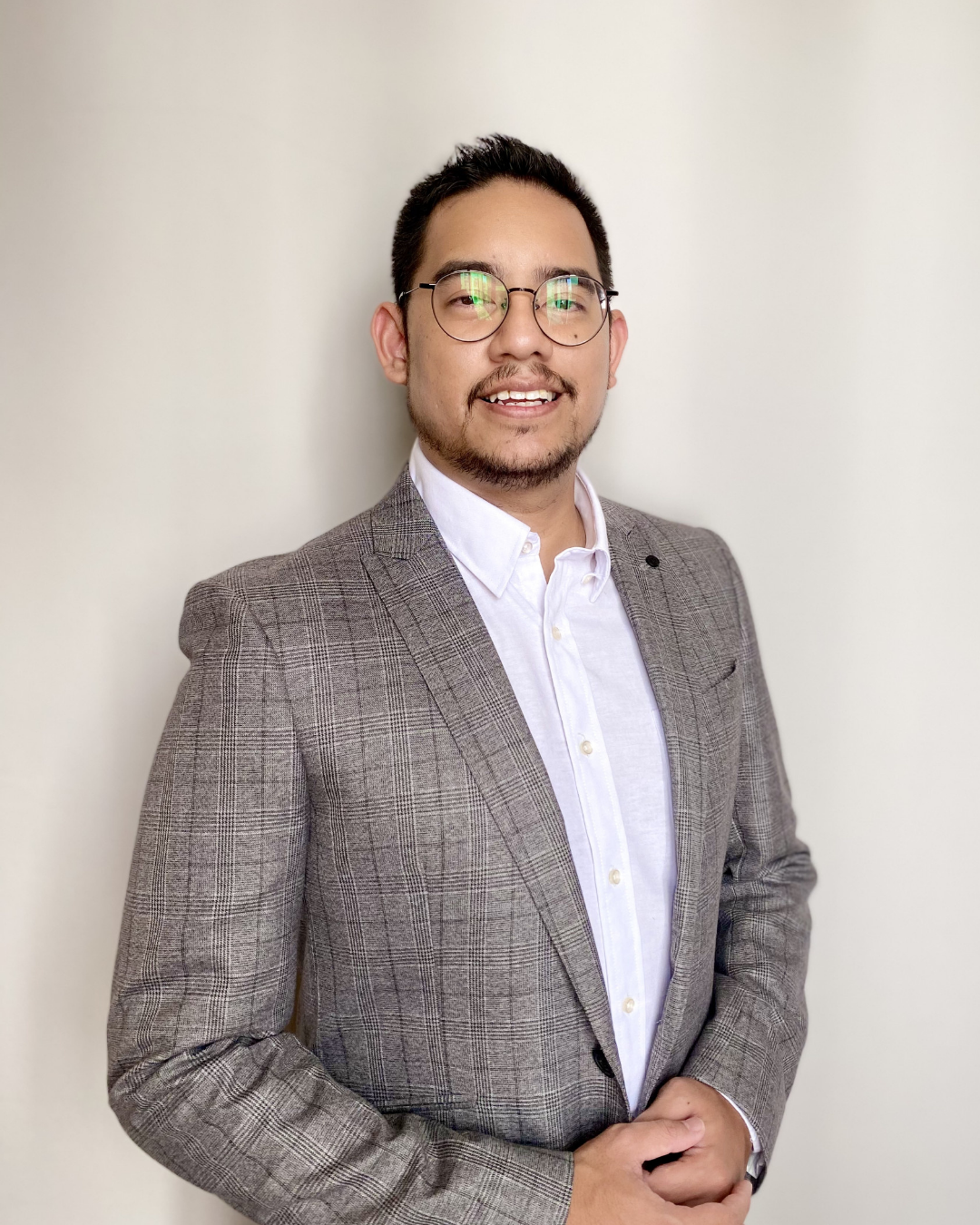 The paper’s first recommendation is to distinguish and recognise mission-locked models. “Not every business creating impact is necessarily a social enterprise,” Wan Dazriq (pictured), founding CEO of social enterprise support organisation PurpoSE Malaysia, and also a member of SEWF’s Social Investment Working Group, said at the launch. “They could be impact-driven or impact-affiliated, but they may not be a mission-locked social enterprise, and that difference matters, especially when you design finance.”
Recognising the purpose first, profit second nature of mission-locked social enterprises meant social investors would be more confident about providing a different type of finance to them – focusing on designing appropriate types of investment rather than spending time wondering why existing instruments didn’t work for them, Dazriq explained.
Another recommendation in the manifesto is to develop more blended finance models – investment structures that mix different types of capital, from grants to repayable investment, to offer more patient and flexible capital. The conversation should focus on what job each form of capital did, Dazriq explained. “Grants should move the enterprise towards the next form of capital, rather than simply towards getting more grant applications from the entrepreneurs.”
The manifesto points to Access, the Foundation for Social Investment, as an example of successful use of blended finance that works for mission-locked enterprises in the UK.
 Supporting entrepreneurs to become investment-ready – be it by putting their finances in order or ensure their governance enables it – is also among the paper’s recommendations. Readiness often came at a cost that investors were rarely willing to fund, and social enterprises could rarely afford, explained Chelsey MacNeil (pictured), founding CEO of the Purposeful Group, at the manifesto’s launch. In this context, readiness should be treated as infrastructure – where social entrepreneurs could access support when they need it.
MacNeil added that using policy levers – another of the manifesto’s recommendations – such as tax incentives, procurement or guarantees was also essential. Legislation on the social economy and community wealth building, in Quebec and Scotland respectively, were examples of what successful engagement with policymakers could achieve.
It’s time to frame social investment as core economic infrastructure
Other recommendations in the manifesto include decentralising finance, encouraging systems-level change and increasing transparency.
Manifesto author and former SEWF chair Hélène Malandain said: “As economies falter, the climate crisis deepens and conflict reshapes the world, standing up for people and the planet is no longer optional. It’s time to frame social investment as core economic infrastructure, rather than a side initiative. This Manifesto sets out what this shift would take.”
Top image: Gerry Higgins speaks at SEWF 2025 in Taipei, Taiwan. Credit: SEWF.

| Ready to invest in independent, solutions-based journalism?
Our paying members get unrestricted access to all our content, while helping to sustain our journalism. Plus, we’re an independently owned social enterprise, so joining our mission means you’re investing in the social economy. |