

The Impact World this Week: 17 July 2026
Your quick guide to the most interesting news snippets about social enterprise, impact investment and mission-driven business around the world from the Pioneers Post team. This week: Church of England’s £100m fund to address slavery link faces legal challenge, the GIIN’s CEO and co-founder Amit Bouri to step down, new report shows enterprise activities can help charities be more resilient, and more.
UK: Church of England’s £100m fund to address slavery link faces legal challenge
The Church of England is facing a legal challenge over its £100m Fund for Healing, Repair and Justice, announced two years ago to address its historic links to slave trade, Graham Usher, the bishop of Norwich, revealed at the Church’s Synod last weekend. The initiative, called “Project Spire”, aims to use catalytic grants to mobilise £1bn of investment towards people of African descent and Black-led enterprises. But it has come under criticism by some right-wing church figures and politicians who say it was unjustified at a time of financial hardship for many parishes. The Church Commissioners, in a report last year, said it had been on the receiving end of “vitriolic and abusive” criticism, to the extent it had to take steps to protect its staff and volunteers. Usher said no more details could be released on the legal challenge at this time, and that the Church was taking full legal advice on the issue, according to the Guardian.
- Read more: Church of England to launch £1bn impact fund in response to historic links to slave trade
Global: GIIN CEO and co-founder Amit Bouri to step down
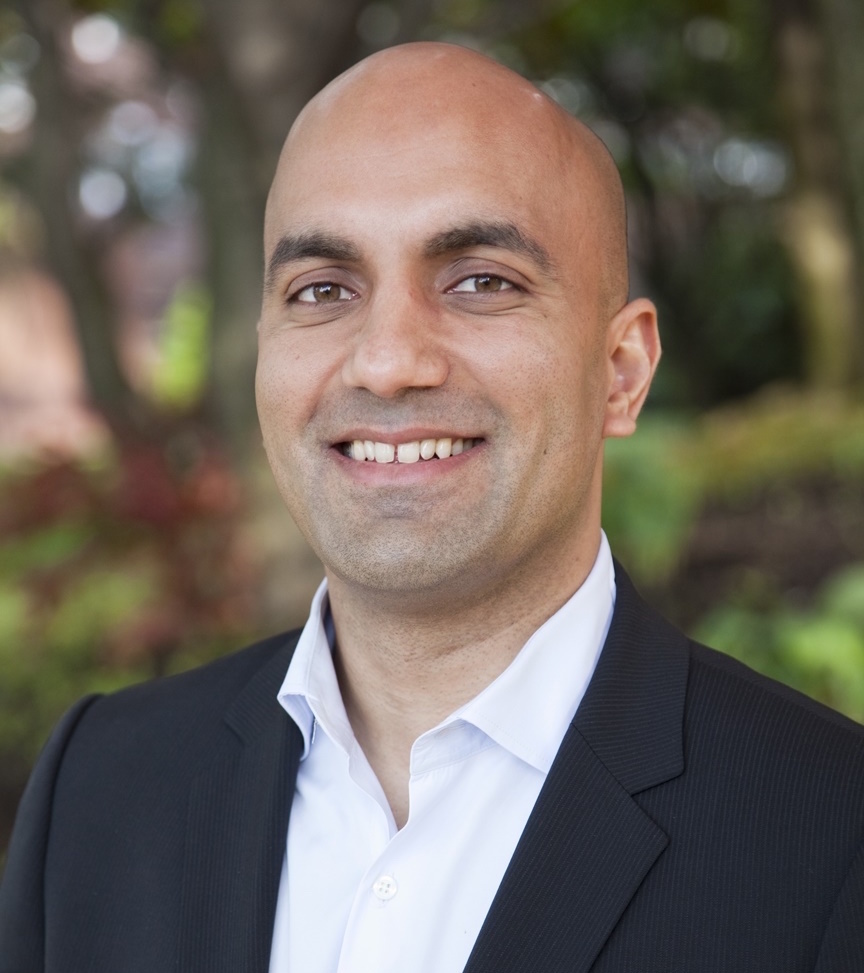
Amit Bouri, who co-founded the Global Impact Investing Network in 2009, is to step down as CEO of the organisation at the end of the year. Bouri has held the role since 2015, and the organisation said now was a “natural and responsible moment for a structured and forward-looking succession process”. Bouri led the organisation through major growth over the past decade, reaching about 450 members today. In a post on LinkedIn, he said sharing the announcement was “bittersweet” and that leading the organisation had been “the privilege of my professional life”. He said he would remain involved to support a “smooth and thoughtful transition” at the head of the GIIN as the board starts its search for the next leader. He added he would then “take a break” and spend time with his family.
UK: Enterprise activities can help charities tackle rising costs and growing demand, shows independent evaluation
Helping charities develop enterprise activity can strengthen their mission, improve resilience and increase their long-term impact. Those are the findings of an independent evaluation, published on Thursday, of the Enterprise Development Programme, which supported more than 325 charities and social enterprises to build enterprise capability between 2019 and 2024. The programme, funded by Access – The Foundation for Social Investment, and delivered with Social Investment Business and six sector partners, combined grants, tailored advice, peer learning and sector-led support. The evaluation found trading income increased by 41% across a sample of participating organisations, while 96% of organisations reported increased resilience. However, the evaluation did highlight that resilience outcomes varied by sector, highlighting the importance of more targeted support in future.
UK: Government looks for Impact Economy Advisory Council members
The UK government is looking for members for a new Impact Economy Advisory Council, an external group to support the Office for the Impact Economy in its mission to help the government work more strategically and effectively with the sector – which includes impact investors, philanthropists and mission-driven businesses. Candidates should have a good knowledge of the impact economy in the UK, have experience working at senior level across the sector and have a strong network. The council will meet quarterly from autumn 2026 in the Cabinet Office, and members will not be remunerated for their participation (but their expenses will be covered). Applications close on 6 August.
Global: Zero Gap Fund mobilises more than US$1bn since 2019
The Zero Gap Fund has committed US$30m in catalytic capital since its inception, mobilising more than US$1bn of investment towards the UN Sustainable Development Goals, according to its latest annual report. The fund, launched in 2019, is a partnership between the Rockefeller Foundation and John D. and Catherine T. MacArthur Foundation, providing patient, risk-tolerant and flexible capital to impact investment funds aiming to mobilise large-scale private investment towards the SDGs. Of the US$30m committed, US$28m have been deployed and three of its investments exited.
UK: Can social investment plug the income gap for LGBTQ+ support organisations?
With LGBTQ+ support organisations reporting rising demand amid regressing public attitudes, and just 0.1% of total charitable income going to those organisations, a new report by Social Enterprise UK (SEUK) explores whether social investment can provide a solution. Published on Tuesday, the report draws on SEUK’s 2025 State of Social Enterprise data, as well as case studies from Micro Rainbow, Tonic Housing and Gaydio, giving examples of when social investment can work well and what support is needed to make it more accessible. The report finds that where organisations have a clear route to repayment, a proven or developing trading model and the right support, social investment can help LGBTQ+ VCSE organisations grow their impact and strengthen their resilience. It also calls on social investors to do more to understand the needs of LGBTQ+ organisations, improve signposting, offer appropriate support and strengthen the evidence base around access to finance.
In case you missed it
Ibero-America: Governments endorse social and solidarity economy’s role in decent work and sustainable development agendas
Labour ministers and high-level government representatives from across Ibero-America reaffirmed the role of the social and solidarity economy (SSE) in advancing decent work and sustainable development at an international conference, held in Avilés, Spain on 2 July. The declaration adopted at the VI Ibero-American Conference of Ministers of Labour endorsed the Ibero-American Commitment on the Social and Solidarity Economy (2026–2030) and places the SSE within a broader decent work and future of work agenda for the region. The International Labour Organisation said that by linking SSE with these decent work priorities, the declaration helps advance a regional framework for advancing people-centred, sustainable and resilient economies across Ibero-America. The declaration follows similar commitments in other regions in recent years, including the EU Social Economy Action Plan (2021) and the African Union Ten-Year Strategy on the Social and Solidarity Economy (2025).
- Read more: Turning dialogue into concrete action in the heart of the Amazon – Impact Minds 2026 preview
Top image: Sarah Elisabeth Mullally, the Lord Archbishop of Canterbury (credit: House of Lords, photo by Roger Harris)

| Ready to invest in independent, solutions-based journalism?
Our paying members get unrestricted access to all our content, while helping to sustain our journalism. Plus, we’re an independently owned social enterprise, so joining our mission means you’re investing in the social economy. |