
Can we build the relationships, opportunities and confidence needed to turn growing wealth into meaningful change?
 The UK is entering a period of significant wealth creation and wealth transfer – yet how we connect ‘impact’ capital to impactful organisations feels like a niche conversation, says NPC boss Jonathan Simmons.
When James Perry co-founded COOK, he rejected a prevailing assumption in business: that the purpose of a company was simply to maximise returns for shareholders. Instead, he spent the next two decades building businesses and movements around a different idea: that value should be created for communities, employees, customers and society alongside financial returns.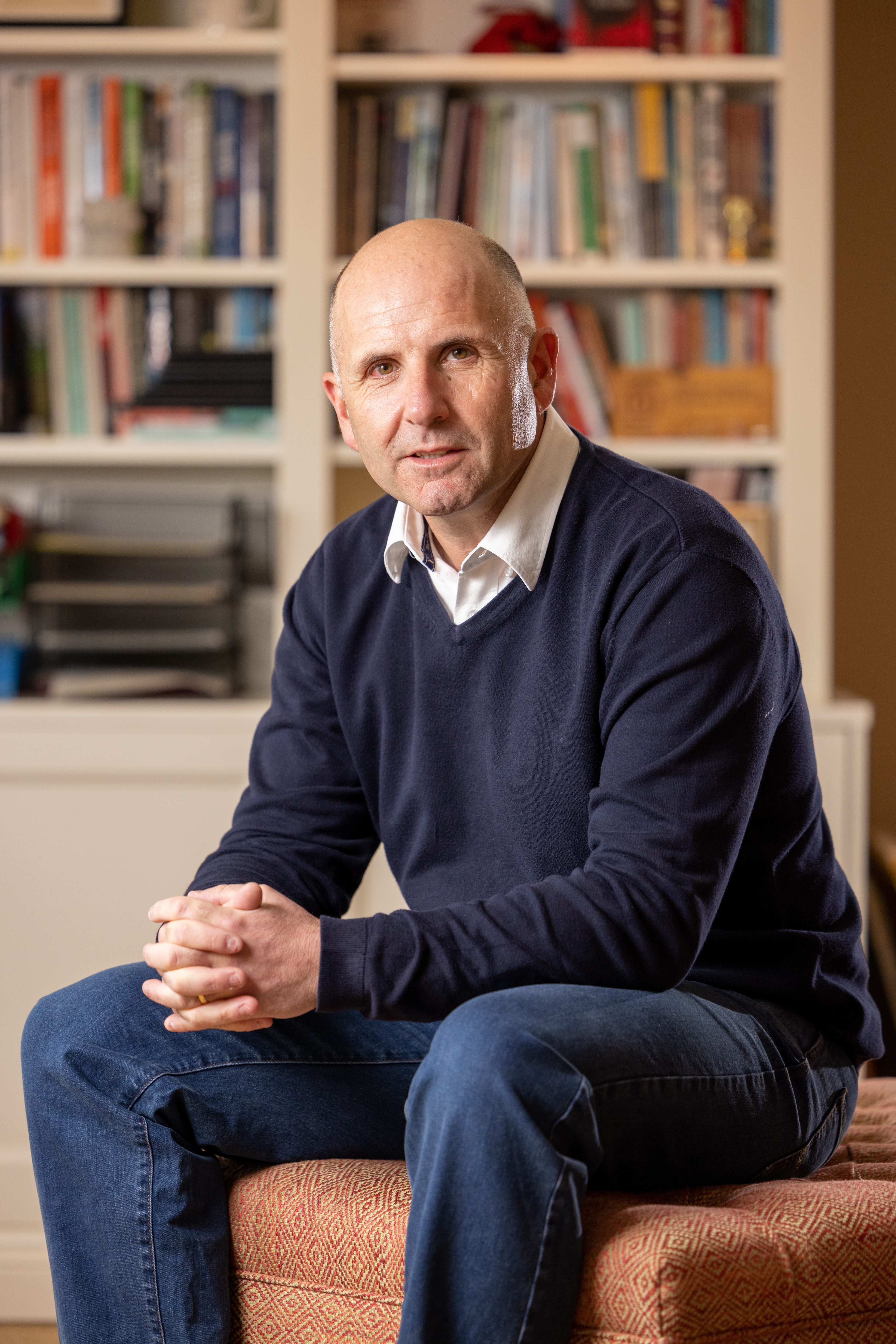
Through COOK, B Lab UK and later his work in impact investing, James (pictured, right) has consistently challenged us to think differently about the role of capital in society.
What strikes me about James's story is that it does not feel unusual, particularly in this golden age of entrepreneurialism.
Across philanthropy, business and investing, I see growing numbers of people asking a different set of questions. Not simply: how do I create wealth? But: what is wealth for? How can it contribute to something bigger than itself? How can it help solve problems that matter? For me, that shift may be one of the most important developments shaping the next decade of the impact economy.
The UK is entering a period of significant wealth creation and wealth transfer. New entrepreneurs are building successful businesses. Families are thinking about legacy. More individuals have the opportunity to deploy substantial resources. Research suggests growing interest and action in philanthropy, impact investing and purpose-driven forms of capital. Yet despite all this, how we connect ‘impact’ capital to impactful organisations feels like a niche conversation.
A different generation of capital
When I speak to wealth holders, family offices, entrepreneurs and business leaders, I encounter a growing appetite to contribute. Many want to create social value alongside financial success. Many are looking for ways to support causes they care about. Many want their wealth to reflect their values.
At the same time, I meet organisations tackling society's most complex challenges which are struggling to access the capital they need to grow.
Too many organisations and wealth holders complain they cannot find each other.
We can solve both challenges through connectivity, but the truth is we are not doing as well as we should. Too many organisations and wealth holders complain they cannot find each other.
We already know what is possible
Michael Stickland’s work at Macmillan shows what can happen when an organisation focuses relentlessly on outcomes rather than allowing institutional structures to determine its response. It also illustrates why capital must be able to move across conventional boundaries: complex social challenges rarely sit neatly within a single organisation, sector or funding stream.
Bloomsbury Football demonstrates what can happen when a clear proposition, credible evidence of impact and a strong team meet receptive wealth holders. In just a few years, it has grown from little more than a bag of footballs into an organisation supporting thousands of young people each month. Its growth shows the catalytic role that patient, risk-tolerant philanthropic capital can play when funders choose to back a compelling vision.
Across philanthropy, business and investing, I see growing numbers of people asking a different set of questions. Not simply: how do I create wealth? But: what is wealth for?
Daring Capital’s portfolio shows how impact-led businesses can attract venture investors willing to put social impact alongside financial return. Its investments offer practical examples of enterprises making impact central to their business model rather than treating it as an additional benefit.
The partnership between Heinz and Magic Breakfast demonstrates what becomes possible when businesses and social organisations work together around a shared goal rather than a transactional relationship.
These examples are not rare or hard to find, and they point to a trend we should get behind.
The real challenge
The challenge I see is not the lack of philanthropically minded capital or incredible organisations that can deliver impact. The challenge is building the pathways between wealth and impact. That means helping philanthropists find opportunities they can support. It means helping organisations articulate their vision and demonstrate their effectiveness. It means building stronger relationships between business, philanthropy, civil society and communities.
Most importantly, it means creating an environment where deploying wealth for social impact feels normal, expected and ambitious. Because this should not be a niche activity.
The opportunity ahead
The idea that wealth should serve a purpose is not new, which is partly why this moment brings both frustration and optimism. We know what purposeful capital can achieve, and more people appear willing to put that idea into practice. The resources and many of the solutions already exist; what is missing is a reliable way to bring them together.
But building those connections will require effort from all sides. Wealth holders seeking impact need to recognise that meaningful change is difficult, takes time and demands patience. Organisations delivering impact need to experiment with new ways to reach and engage potential funders. And those of us working in the ‘plumbing’ of the impact economy need to make a stronger case for the value of intermediation, so that we can build a functioning support sector comparable to those that already exist in wealth advice, law and other forms of investment.
Wealth holders... need to recognise that meaningful change is difficult, takes time and demands patience. Organisations... need to experiment with new ways to reach potential funders.
The question is whether we can build the relationships, opportunities and confidence needed to turn growing wealth into meaningful change. If we can, the coming decade could be one of the most significant periods of growth the impact economy has ever seen.
Help NPC grow the impact economy: Explore NPC’s Growing the impact economy initiative and join us in building the evidence, connections and flows of finance needed to turn more capital into lasting social impact.

| Ready to invest in independent, solutions-based journalism?
Our paying members get unrestricted access to all our content, while helping to sustain our journalism. Plus, we’re an independently owned social enterprise, so joining our mission means you’re investing in the social economy. |