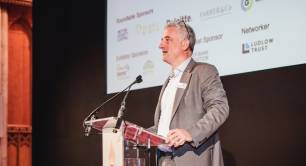
OPINION: The UK is entering a period of significant wealth transfer yet how we connect impact capital to impactful organisations feels like a niche conversation. We need a way to bring them together, says NPC boss Jonathan Simmons.
Do small ethical brands too often become a lifestyle choice for the rich, rather than a system-changing response to the fundamental problem we’re aiming to tackle, wonders social entrepreneur Aliza Ayaz.
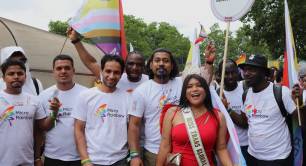
OPINION: At a time when anti-rights movements are growing stronger, why is social investment not yet kicking in at scale to help build a more sustainable LGBTQI movement?
OPINION: Corporate decision-making typically privileges knowledge and length of service. But this model is under pressure as young people call for more influence over decisions which affect their futures, says Kate Robertson.
OPINION: The UK's impact economy must seize the moment with the move of The Office for the Impact Economy to DCMS. Published today, a new proposal for how to define it from NPC and Social Investment Business should help.
OPINION: UK aid has helped coastal communities in the global south restore mangroves, reefs and rebuild fisheries. Its sudden withdrawal means these effective and efficient ways of building climate resilience will undo years of work.
OPINION: If impact investment is about improving people’s lives, why are those people's voices often absent from investment decisions? Capital is being allocated on incomplete information.
OPINION: Social entrepreneurs feel increasingly disconnected from the $1.5tn allocated to impact and which claims to be on their side. This is what happens when capital forgets to put impact first, says Caroline Bressan of Open Road Impact.
OPINION: There is a critical layer in the impact movement – the intermediaries that support social entrepreneurs and impact investors. But we must rethink the economics of this field-building role.