Collection: Good Ideas


With new features and almost 20,000 UK venues on the app, Sociability wants to give people with accessibility considerations the information they need to have a good time, while making money for hospitality venues.
Matt Pierri wants to break the association between disability and charity. Disabled people in the UK have an estimated spending power of £274bn per year, and Pierri wants Sociability, the social enterprise he founded, to help businesses tap into that.
Sociability is an app and tech platform that provides accessibility information about UK hospitality venues. Individuals can use it to plan a night out around the needs of themselves or others in their group, and businesses can use it to provide up-to-date information about the accessibility of their venue.
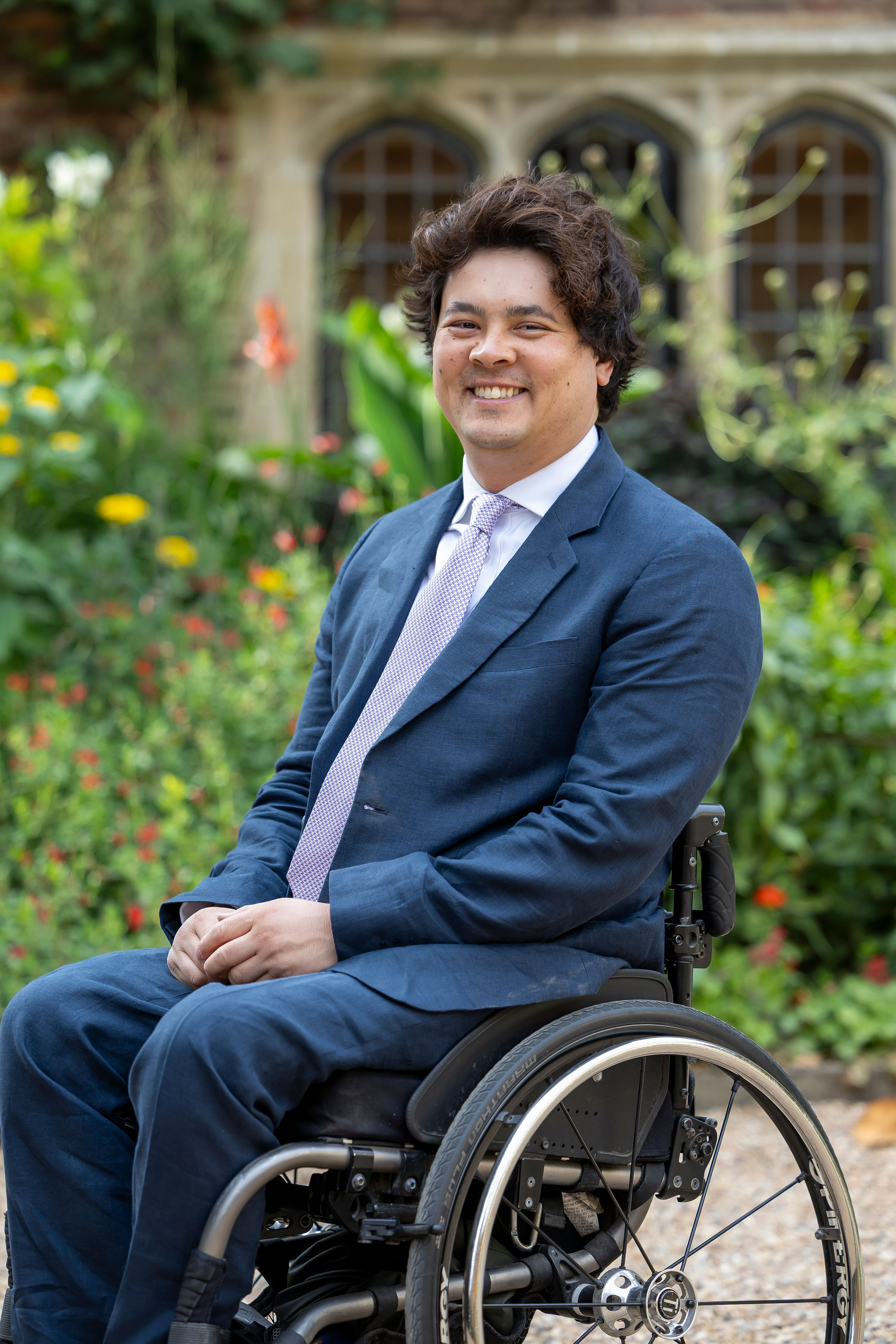
Pierri (pictured) says: “A lot of people assume we're a nonprofit or charity merely because we operate in the disability space, and that overlooks the fact that disabled people are consumers. They're part of the market that for the most part is not able to be properly exploited by organisations, because people cannot get into the buildings and the spaces to use the facilities, or they don't know they can, so they assume they can't.”
Likening accessibility information to dietary requirement information, Pierri hopes Sociability can play a part in shifting venue attitudes from providing what information they are required to, to seeing that a proactive approach to transparency can lead to higher income.
“If there's 10 people in a group, and one of them is vegan, you're not just going to go to a steak place and have your friends sit outside. You'll go to a place with options. And the same applies for accessibility. If a venue needs to be step free for me and I'm with 10 friends, then it needs to be step free for all of them.”
Approximately 16.8m people in the UK – one quarter of the population – are disabled. With an aging population, many families or friendship groups in the country have, or will have, accessibility issues to consider for days or nights out.
Now, having launched new features this month and with prize money from the Cambridge Social Innovation Prize to spend on personal and professional development, Pierri and Sociability are looking to drive user adoption and help more businesses welcome groups with accessibility considerations.
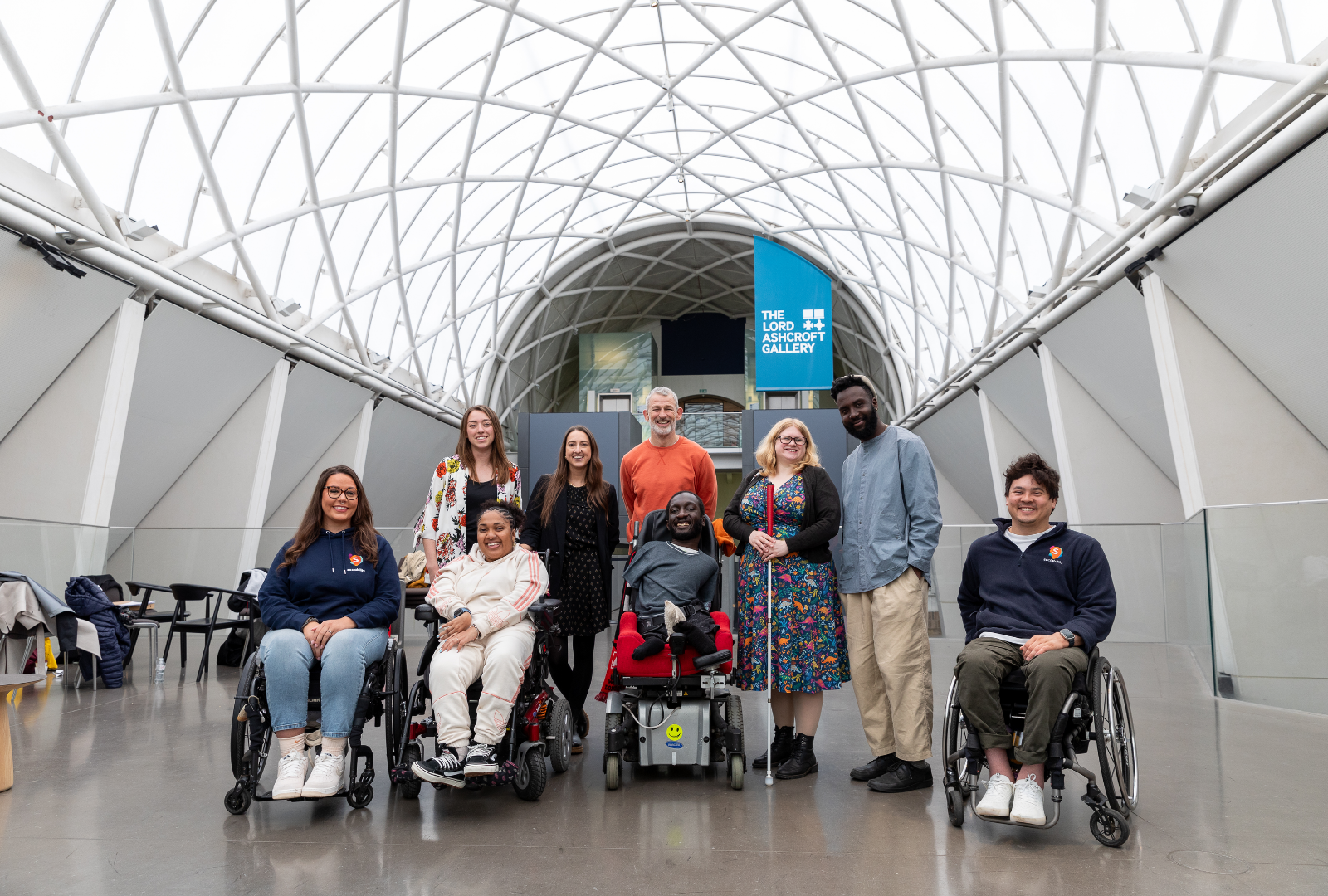
Sociability has three distinct functions: the user app, a platform for businesses to provide accessibility information and a part of the platform designed to integrate data it has gathered into third party platforms like restaurant booking sites.
There is information about just under 20,000 venues on the user app, which last year had over 100,000 visits. Users can check information like whether a venue has step-free access, accessible toilets, what the seating layouts are like, noise levels and more, so people can plan visits with confidence.
Data is collected by crowd-sourcing information from users and Sociability’s mapping team, with up-to-date information provided by businesses (for example, if a disabled toilet is out of order).
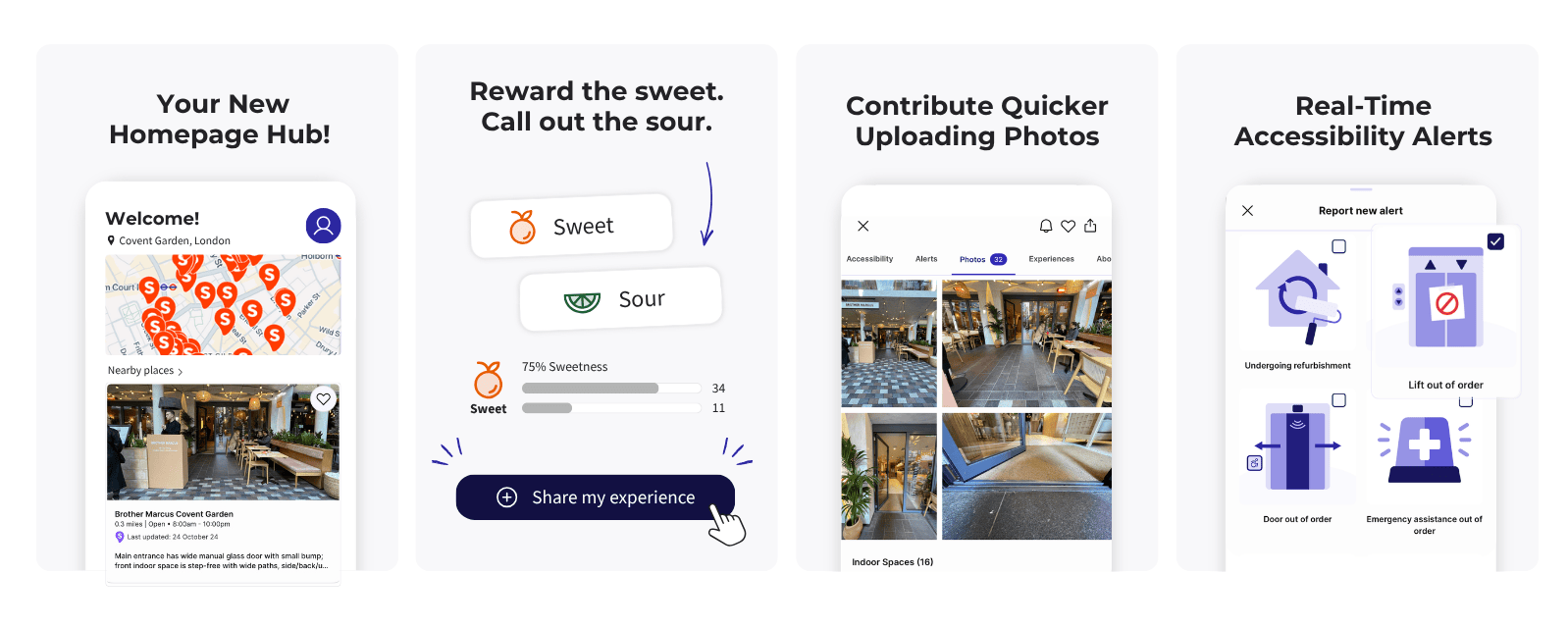
Last month (March) Sociability launched three new features. The first is a more personalised experience for users, based on information about their accessibility needs.
Pierri, a wheelchair user himself, emphasises that context is crucial for planning around accessibility considerations, which is why Sociability provides detailed information about venues, rather than simply making a judgement about whether a venue is accessible for particular people, for example wheelchair users.
He says: “If I go to a place by myself, it needs to be step free, but if I'm with a friend, then maybe one or two steps is fine. If I'm going for half an hour, I probably don't need a toilet. If I'm going for a whole evening, then I do want one.”
In a world that was not built with accessibility in mind, knowledge is power
The second new feature on the Sociability app is real time crowdsourcing of information about venues, for example if a lift is broken. Users are also able to subscribe to venues to get push notifications for up to date information about their accessibility – for example, a cafe they regularly visit or a gig venue they are planning a trip to.
To make it easier for people to upload information about venues, the third new feature on Sociability uses AI to reduce the workload for users. Previously, people had to work through a time consuming data collection framework, providing information like how many steps go to an entrance and how wide doorways are. With the new feature, people upload photos of a venue, which are analysed by a machine learning tool which then produces accessibility information.
Pierri believes information is a fundamental facilitator of equal opportunity and is keen to highlight groups other than people with disabilities who have accessibility considerations, from parents with a pram, to someone temporarily using crutches, to people travelling with large amounts of luggage.
He says: “In a world that was not built with accessibility in mind, knowledge is power and is what gives people the confidence to plan ahead, to know what obstacles they might face, and to be able to move in the world with peace of mind.”
In 2025 Pierri was one of four winners of the Cambridge Social Innovation Prize. The prize includes a £10,000 award for personal and professional development.
Pierri has put some of the money into efforts to reduce stress, improve work-life balance and mitigate founder burnout. He’s bought a personal phone and computer, to separate work and homelife, and a tablet for notetaking. In addition he’s joined a gym and hired a personal trainer.
But as a wheelchair user Pierri truly lives his work and even efforts like joining a gym to focus on something outside of work result in accessibility considerations. He says: “I'm paying for sessions at a gym, and the accessibility is poor. So I think about accessibility at work. Then obviously, when I finish work, I’m still practically thinking about accessibility. So I definitely find that it can be quite overwhelming, which obviously impacts my ability to be a boss and a leader and a manager.”
|
The Cambridge Social Innovation Prize The Cambridge Social Innovation Prize celebrates social impact through business across the UK. It is a prize for mid-career social innovators. Rather than targeting the rising stars or presenting lifetime achievement awards, it recognises those with potential to grow their impact who could use support to get to the next level. It is delivered by Trinity Hall and the Cambridge Centre for Social Innovation, supported by a donation from Trinity Hall alumnus Graham Ross Russell. Winners of the Cambridge Social Innovation Prize are selected for their achievements and potential in creating positive social impact for individuals and communities in different parts of the UK. These awards are made annually to extraordinary founder-CEOs of scale up social enterprises to support their growth as leaders. The Cambridge Social Innovation Prize includes a £10,000 cash award for personal and professional development. Additionally, mentoring from experts from Cambridge Social Ventures at Cambridge Judge Business School and support from an expanding community of social innovators at Trinity Hall help the winners to develop the skills, resources and networks they need to create more impact.
|
With some of the remaining prize money, Pierri is planning a trip to Japan to study how accessibility is managed in a very different country and culture. He says in Japan accessibility is considered a much more mainstream issue and seen mainly through the lens of the needs of an aging population.
In particular, the Japanese government has been focused on accessibility and public transport, which Pierri is keen to learn from, with an eye on Sociability expanding into that area.
In the next six months, Pierri says Sociability is aiming to drive user adoption. Now the app has significant coverage of venues, particularly in London, and with the new features up and running, he wants more users to enable the social enterprise to continue to grow and improve.
Pierri says: “We're really keen for people to hear about what we do and to spread the word, to try it, and to share feedback.”

This content is brought to you by Pioneers Post in partnership with the Cambridge Social Innovation Prize, a collaboration between Cambridge Centre for Social Innovation and Trinity Hall.


| Ready to invest in independent, solutions-based journalism?
Our paying members get unrestricted access to all our content, while helping to sustain our journalism. Plus, we’re an independently owned social enterprise, so joining our mission means you’re investing in the social economy. |