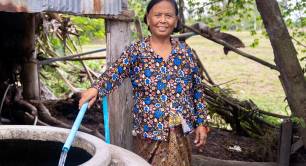
Can innovative finance solve the global water crisis? International non-profit Aqua for All is scaling its Impact-Linked Finance model, incentivising enterprises to reach hard-to-serve communities by tying financial rewards to social outcomes.
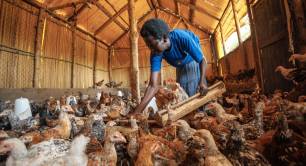
The £300,000 pilot will invest exclusively in refugee-owned or led businesses, aiming to lead to a £10m follow-on fund as refugee entrepreneurs are too often cut off from VC investment. We speak to TERN co-founder Charlie Fraser to find out more.
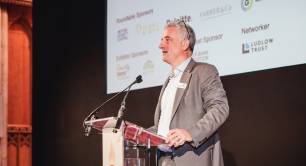
OPINION: The UK is entering a period of significant wealth transfer yet how we connect impact capital to impactful organisations feels like a niche conversation. We need a way to bring them together, says NPC boss Jonathan Simmons.
Increase in private capital towards blended finance deals is “encouraging”, but scarcer concessional capital will have to be used “surgically” for market to truly scale, according to research published this week.
Do small ethical brands too often become a lifestyle choice for the rich, rather than a system-changing response to the fundamental problem we’re aiming to tackle, wonders social entrepreneur Aliza Ayaz.
As protests grow around the world against the building of massive, environmentally destructive data centres to serve the ever growing demands of AI, one Australian social entrepreneur has developed a different type of AI data centre which meets his organisation’s social values.
Anara principal Mohamed Hussain talks to Pioneers Post about launching the region’s first early-stage impact VC fund, supporting investees in a febrile geopolitical context, and having clear roles in the region’s impact ecosystem.
This week: UnLtd CEO Mark Norbury to step down; Anthropic launches US$48bn public benefit fund; UK government launches £2bn green energy fund alongside gas field approval; and more.
Having led international development organisations for nearly 20 years, Williams becomes B Lab’s first “global CEO” as the nonprofit behind the B Corp label moves towards a more integrated structure.
Can innovative finance solve the global water crisis? International non-profit Aqua for All is scaling its Impact-Linked Finance model, incentivising enterprises to reach hard-to-serve communities by tying financial rewards to social outcomes.
EXPERT INSIGHT: Hundreds of thousands of people live in refugee camps for decades. Emergency aid is not the only answer, says Sazini Mojapelo. Supporting refugees to start their own businesses can transform their lives.
While there’s a strong sense that the current economic system is not working, there’s no consensus on what should replace it. Is this mix of perspectives a positive thing, or hindering progress? Anna Patton reports from the P4NE conference in Bonn.
This week: Church of England remains “committed” to £1bn slavery reparation fund despite rightwing lobbying campaign; MacArthur Foundation increases allocation to impact investing to US$750m; Too Good to Go expands beyond food, and more.
The £300,000 pilot will invest exclusively in refugee-owned or led businesses, aiming to lead to a £10m follow-on fund as refugee entrepreneurs are too often cut off from VC investment. We speak to TERN co-founder Charlie Fraser to find out more.
OPINION: The UK is entering a period of significant wealth transfer yet how we connect impact capital to impactful organisations feels like a niche conversation. We need a way to bring them together, says NPC boss Jonathan Simmons.