Collection: Global Perspectives on Social Enterprise


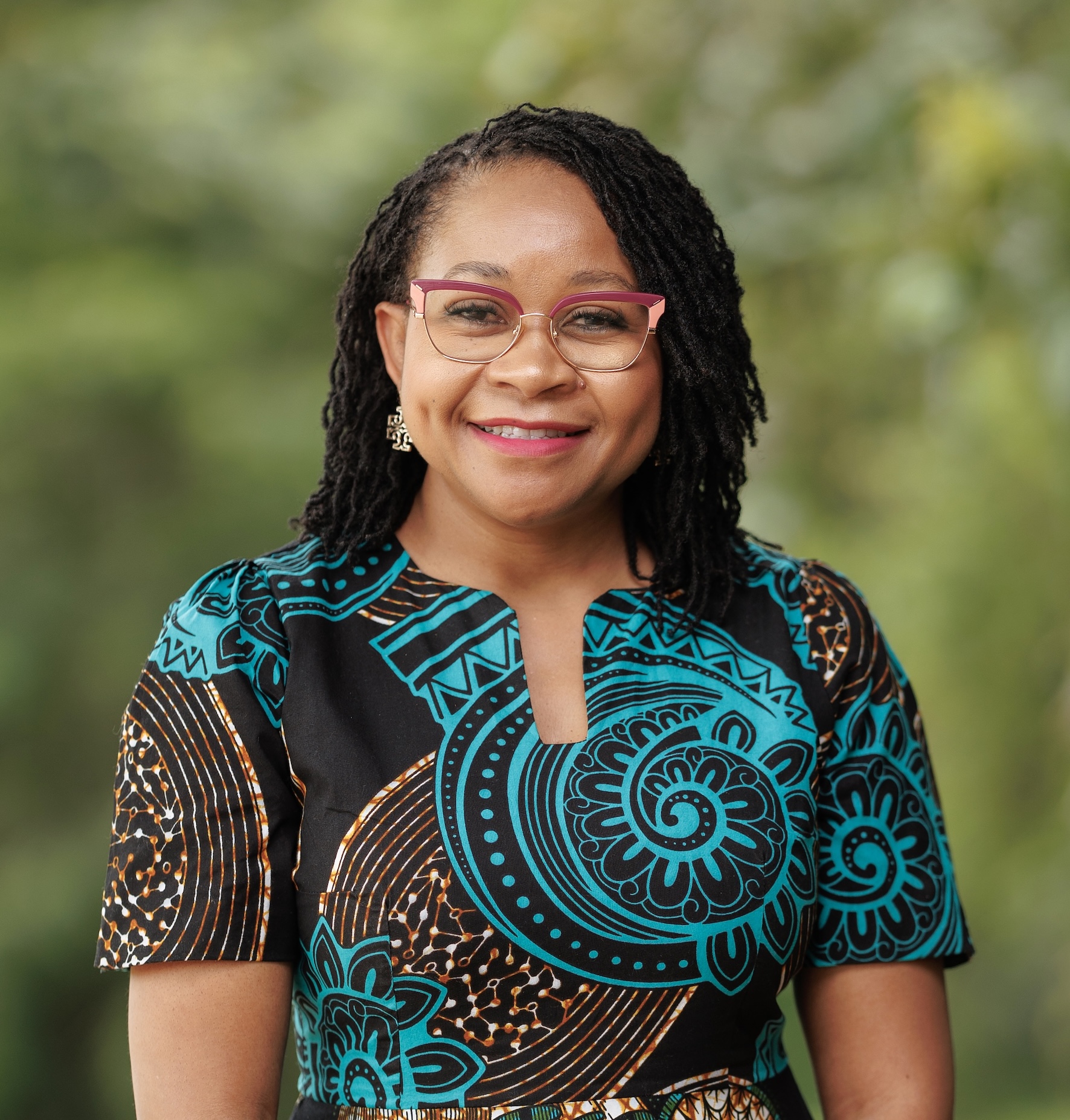 EXPERT INSIGHT: Hundreds of thousands of people live in refugee camps for decades. Emergency aid is not the only answer to this long-term displacement, says Sazini Mojapelo. New research demonstrates that supporting refugees to start their own businesses means they can transform their lives, enabling them to earn enough to pay for their children’s education, basic healthcare and more.
The Bidi Bidi refugee settlement in Uganda is ten years old. First established in September 2016 to house refugees fleeing South Sudan, the camp reached its capacity of 280,000 people within just three months. Refugee settlements are often seen as temporary solutions, but a decade later, many of Bidi Bidi’s first residents are still there – and a generation of children are growing up in a place created as an emergency response.
Despite living in camps for years, refugees often struggle for opportunities to enter the formal economy, leaving them dependent on emergency aid that is under unprecedented pressure from cuts to international assistance – in August the World Food Programme reported a US$37m funding gap for its refugee response for the remainder of 2026. Dependency on diminishing aid puts refugee families at risk of malnutrition, undermines their dignity, and does nothing to help them find a way out of extreme poverty.
However, new research offers compelling evidence that another path is possible. It shows that, with the right support, refugees participating in an entrepreneurship programme were able to generate an income, save money, buy assets, and pay for education and healthcare for their families, all while living in refugee camps in Uganda and Ethiopia.
The findings show why emergency assistance, while essential, cannot be the only answer to long-term displacement. If we are to help refugees build secure and dignified futures, we must stop treating displacement as a temporary challenge and invest in the skills, resources and opportunities people need to build sustainable livelihoods.
In 2022, nonprofits Village Enterprise and Prosper Global (formerly known as Mercy Corps) created DREAMS (Delivering Resilient Enterprises and Market Systems), a programme specifically designed to support vulnerable people in refugee settlements.
By combining Village Enterprise’s poverty graduation model with Prosper Global’s expertise in market systems, we developed an approach equipping refugees with the skills, resources and market connections to start sustainable businesses.
After nine weeks of training as part of DREAMS, refugees are given seed funding to start a new business, provided with ongoing business mentoring and connected to established local markets and supply-chains.
If we are to help refugees build secure and dignified futures, we must stop treating displacement as a temporary challenge and invest in the skills, resources and opportunities people need to build sustainable livelihoods
To give one example of how this works in practice: refugees wanted to start poultry businesses in Bidi Bidi, but were hindered by supply chain barriers – quality chicks were only available from commercial hatcheries more than 500 miles away and rarely survived the transit. Through DREAMS, participating households were established as ‘Mother Unit Operators’ and trained to receive and raise young chicks locally. Connected to regional suppliers for feed and stock, these operators became the suppliers to dozens of other refugee entrepreneurs across the settlement, creating a self-sustaining local poultry market and supporting the livelihoods of many families.
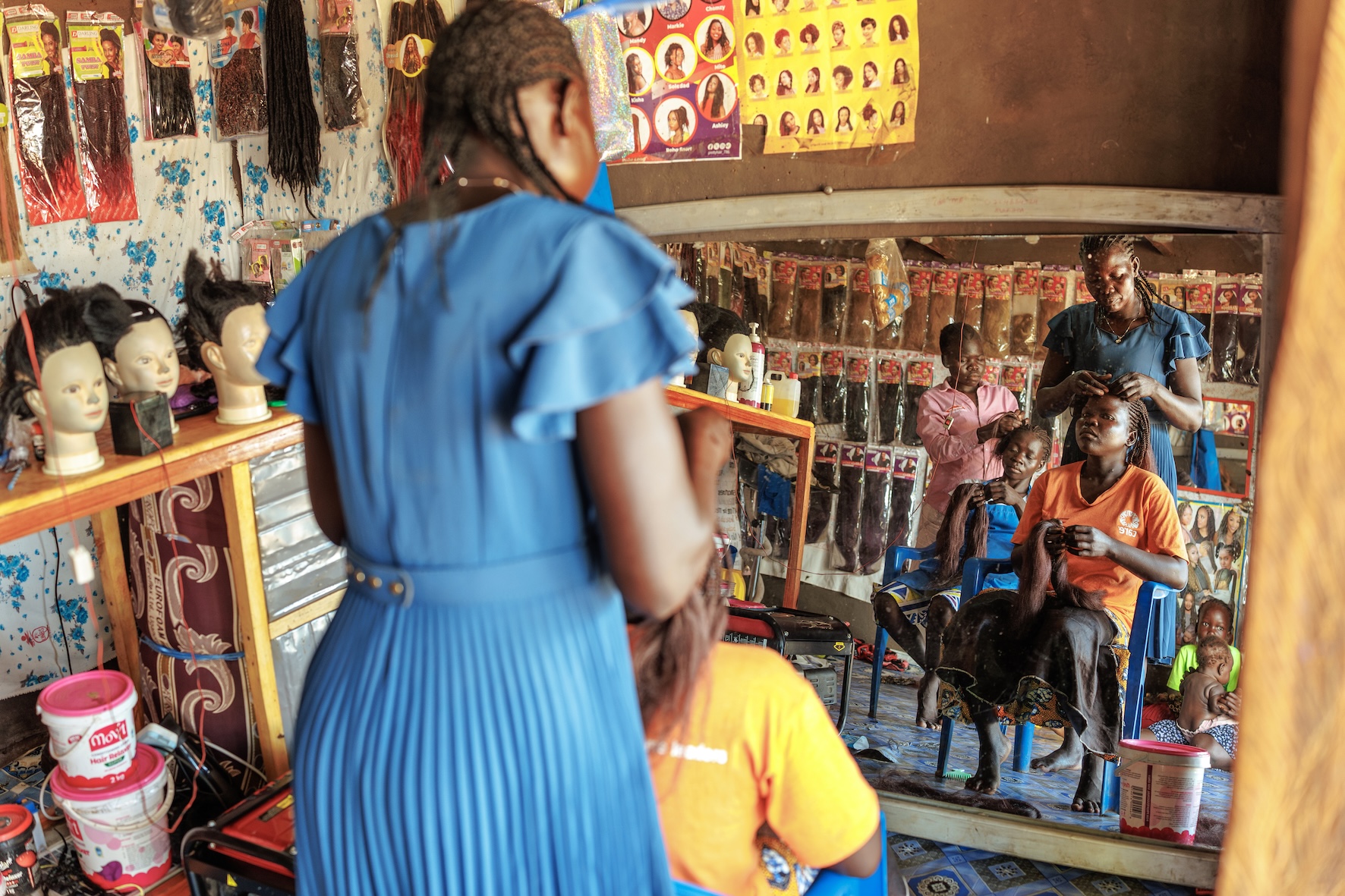
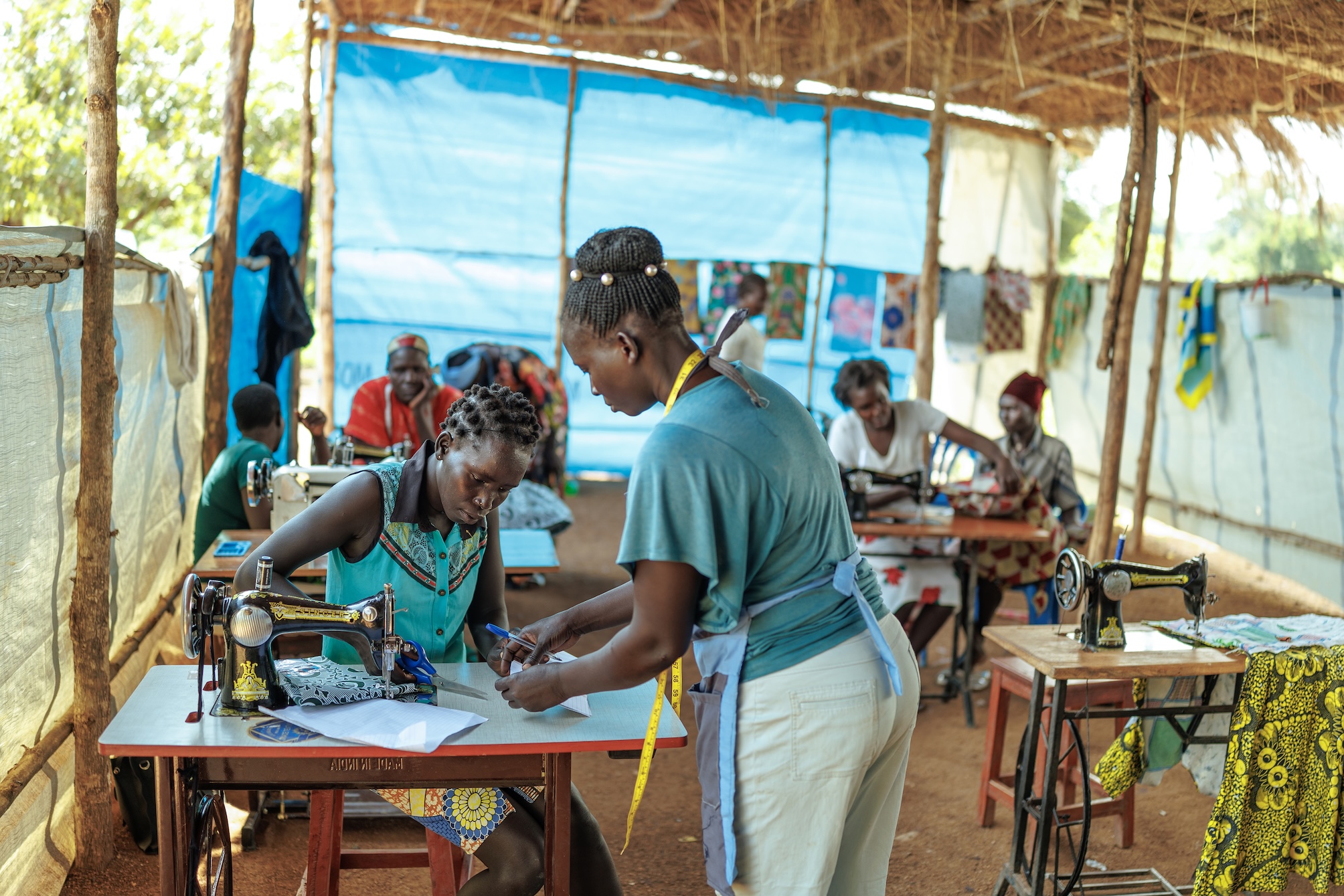
The DREAMS programme launched in Bidi Bidi in late 2022 and soon expanded to Rhino Camp in Uganda before rolling out across three refugee settlements in Dollo Ado, Ethiopia. To date, more than 22,000 refugees and host community members have founded businesses across the two countries – ranging from livestock and agriculture to hair salons, tailoring shops, and retail stores.
To rigorously assess both the impact of DREAMS and whether it represents good value for increasingly scarce development funding, researchers conducted two randomised controlled trials – one in Uganda and one in Ethiopia.
The impact evaluations demonstrate that DREAMS meaningfully improved refugees’ economic wellbeing. When compared with a control group, household consumption among programme participants was 17% higher in Uganda and 9% higher in Ethiopia. Across both countries, household assets increased by 20%, and their savings grew by 90%, providing a much needed financial safety net.
Refugees could buy more nutrient-rich food, fund their children’s education, and pay for basic healthcare for their families
In practice, this meant refugees could buy more nutrient-rich food, fund their children’s education, and pay for basic healthcare for their families. Many participants bought livestock, agricultural tools, housing materials, solar panels and furniture for their homes.
Despite refugee settlements being an unusually challenging environment in which to deliver an intervention, DREAMS also yielded a significant return on investment: for every $1 spent delivering the programme, it generated $2.28 in economic benefits for participants in Uganda and $2.48 in Ethiopia.
For many refugees in Bidi Bidi, displacement is no longer a short-term reality. Most fled South Sudan, where conflict and severe hunger make returning home impossible for many families. More than 7.8m people – over half the country’s population – are currently facing acute food insecurity. A decade after Bidi Bidi was established, its residents cannot be expected to put their lives on hold while they wait for conditions to change. They need opportunities to earn an income, support their families and build a future today.
DREAMS demonstrates that this is possible. Tested in distinct refugee settings in Uganda and Ethiopia, the programme offers an evidence-backed approach to helping displaced people build businesses, accumulate savings and assets, and become more self-reliant. The benefits extend beyond individual households: refugee-owned businesses meet local needs, strengthen markets, and contribute to the economies of both refugee and host communities.
Bringing this approach to more displaced people will require governments, funders, and humanitarian and development organisations to think beyond the immediate emergency. Life-saving assistance remains essential, particularly as hunger rises and humanitarian budgets shrink. But when displacement lasts for years or decades, relief must be accompanied by sustained investment in livelihoods, market access and economic opportunity.
This is not a choice between meeting urgent needs and building long-term self-reliance. We must do both. Giving refugees the opportunity to become entrepreneurs makes scarce development funding go further while enabling families to build more secure futures and contribute to the communities around them. Displacement should never mean that a person’s ambitions, abilities, and future must also be put on hold.
Header photo: A poultry entrepreneur who participated in the DREAMS programme. All photos courtesy Village Enterprise

| Ready to invest in independent, solutions-based journalism?
Our paying members get unrestricted access to all our content, while helping to sustain our journalism. Plus, we’re an independently owned social enterprise, so joining our mission means you’re investing in the social economy. |