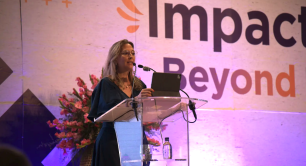
Impact conferences are an opportunity to discover perspectives from around the world. This month, Pioneers Post was in India and Brazil to bring you the latest on the conversations that matter for social entrepreneurs and impact investors.
Autocracy is on the rise worldwide, and impact investors seem reluctant to step in. But large-scale transformations to health, education or the environment need a strong democratic base, the Latimpacto event heard last week.
Social Enterprise World Forum’s Social Investment Manifesto calls for a reframing of social investment, as social enterprises remain excluded from investment opportunities in a market still split between profit maximisation and philanthropy.
Powerful stories of the fight for a safe place to learn find a global audience in New York and beyond, as Theirworld’s annual youth-led newspaper is launched on the sidelines of the UN General Assembly.
Our SE100 data deep-dive reveals good but nuanced news on UK social enterprises' attitudes to diversity, B Corps provide good jobs, a preview of what's to come in September: this week's view from the Pioneers Post newsroom.
The number of social enterprises with equity, diversity and inclusion strategies has been steadily growing over the past five years, despite fresh challenges, reveals our deep dive into data from the SE100 Index and Social Business Awards.
Against a shifting geopolitical context, there are not only challenges, but opportunities for the impact community in Latin America and the Caribbean. Ahead of Latimpacto’s fourth annual conference, we explore delegates' top talking points.
Dr Chih Hoong Sin welcomes the UK government’s rediscovered enthusiasm for outcomes funds with the launch of the world’s biggest fund of this type. But we should look beyond its impressive size to focus upon how it can best optimise impact.
Ignite 2025, a competition run by the Ford Family Foundation, is now accepting applications to find the best and brightest young social entrepreneurs emerging from UK universities.
ANALYSIS: The UK’s privatised water industry has been sinking into debt and disrepair for years, but a commission set up to seek solutions overlooks ownership models that could work for all, say impact economy experts.