

Paris 2024: How the Olympics welcomed social enterprises into its supply chain
Paris 2024’s active strategy to support social enterprises to access contracts is hailed a success by organisers. And many hope a role in the global sporting spectacle could be a game-changer for the sector.
To date, 1m visitors have attended the Olympic Games in Paris this summer. As they cheer ecstatically to support their favourite athletes, few of them will know that they are sitting on seats made from recycled materials. Or that the souvenirs they bring home are made by a social enterprise that employs vulnerable women. Or that the laundry of the 24,000 athletes in the Olympic village is managed by a consortium of social businesses employing people with disabilities.
Social enterprises are everywhere in the Paris 2024 Olympics: 500 businesses from the social and solidarity economy are delivering a total of 750 procurement contracts for the Games – including delivering services, providing construction materials or catering equipment, recycling sports items and managing waste.
This is the result of Paris 2024’s active strategy to support social enterprises’ access to procurement contracts for the event. Many hope it could be a game-changer for the sector – including Nobel Laureate and microfinance pioneer Muhammad Yunus.
He said that while the Olympics and Paralympics were a “magnificent international sporting event”, they were even more meaningful if they helped to find solutions to the planet’s social and environmental problems.
“The Paris 2024 Games have developed a unique programme to enable the social and solidarity economy and social entrepreneurs to benefit from this great showcase and dynamic,” he added. “The whole world will be able to discover these entrepreneurs who are creating a sustainable economy.”
Groupement Laverie Solidaire
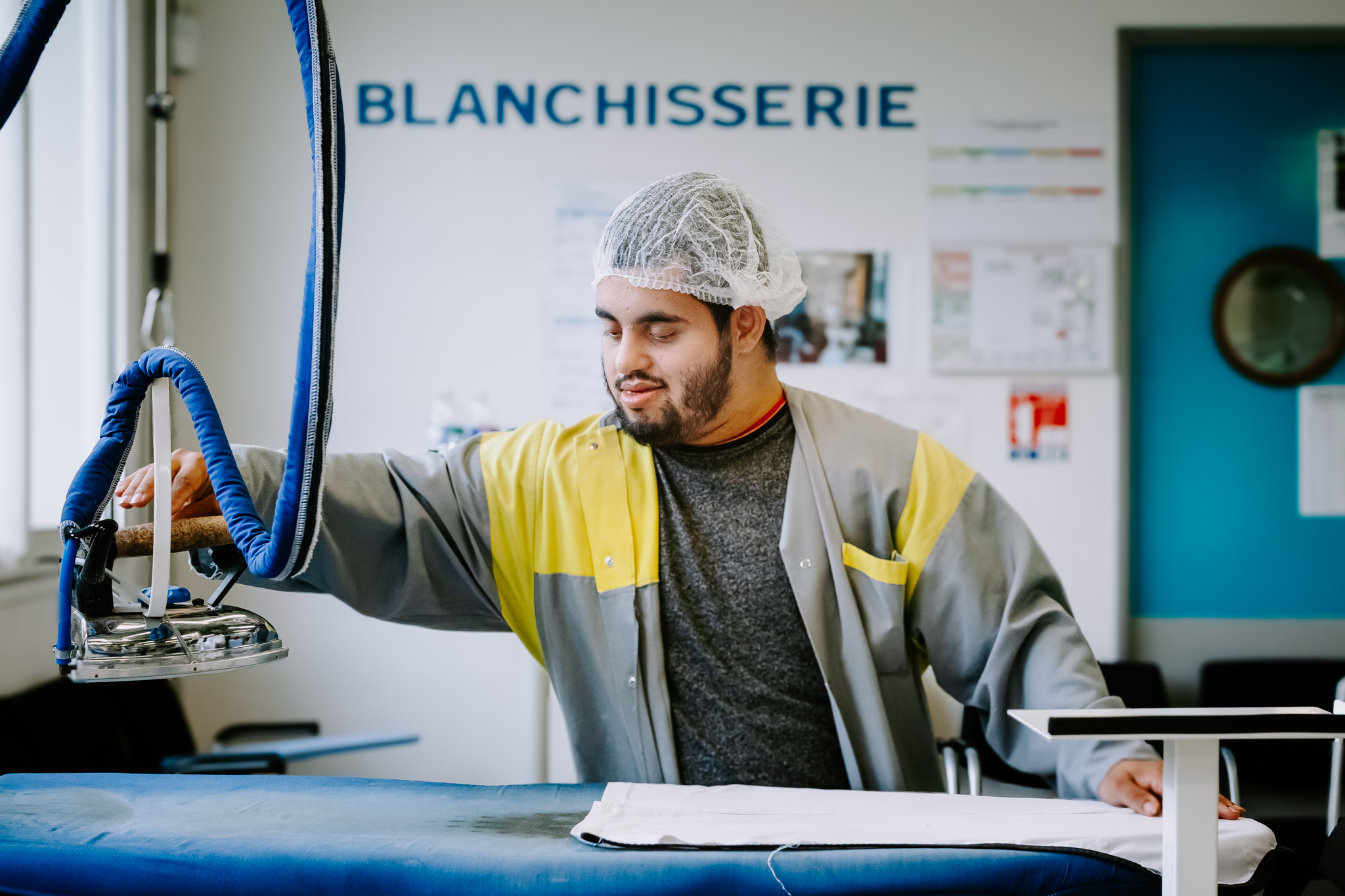
Groupement Laverie Solidaire, a consortium of nine social businesses employing people with disabilities, secured a €1.6m contract for the cleaning and management of laundry for the 24,000 athletes residing in the Olympic Village. ©Roxane Montaron / Les Canaux
H.A.W.A au Féminin
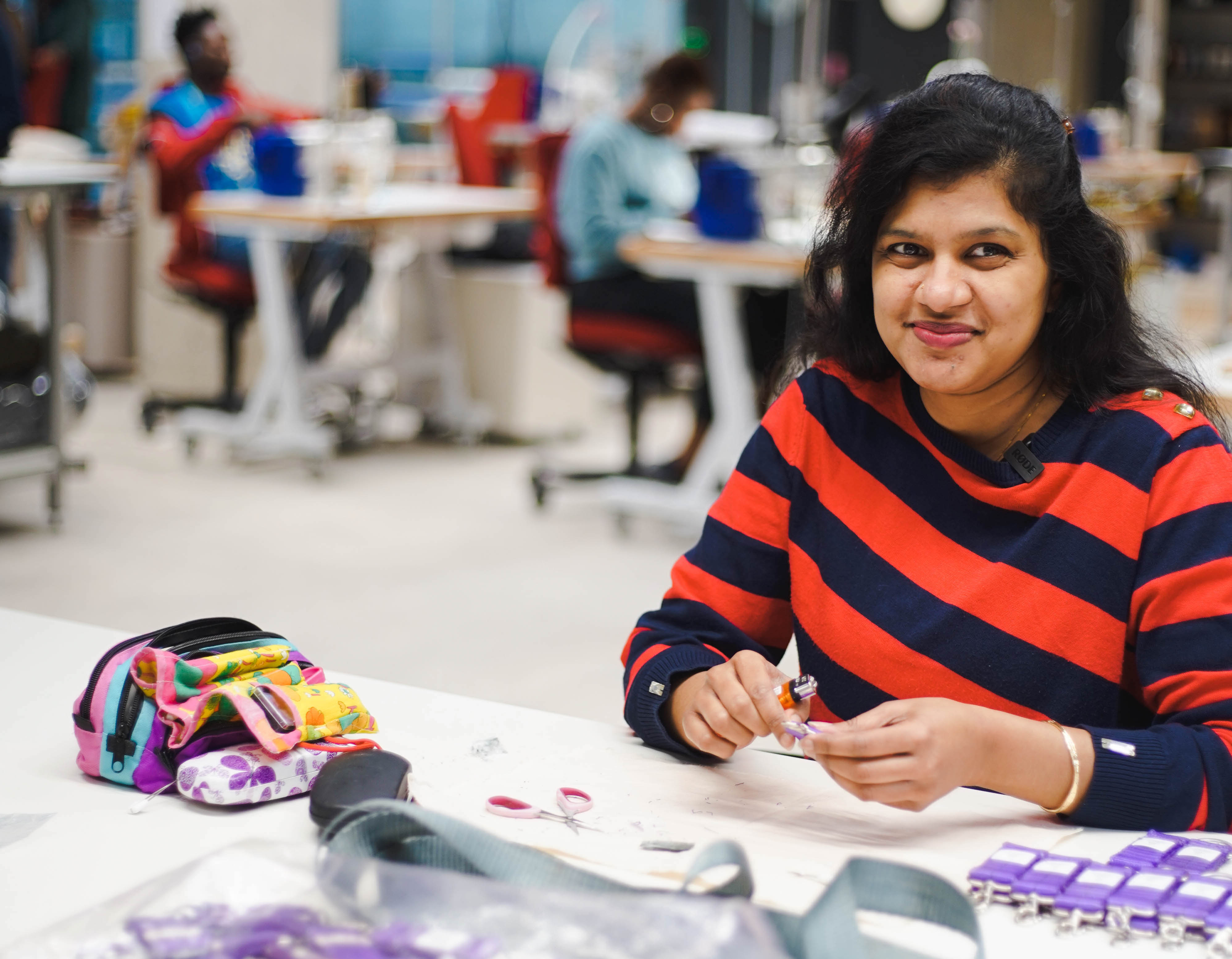
The social enterprise H.A.W.A au Féminin employs and trains vulnerable women for the fashion trade, in particular to produce upcycled fashion items using leftover materials from prestigious couture brands. For the Games, they created souvenirs such as key rings made from the safety slings worn by construction workers in the building of some Olympic sites. ©Solène Mollière / Les Canaux
Vesto
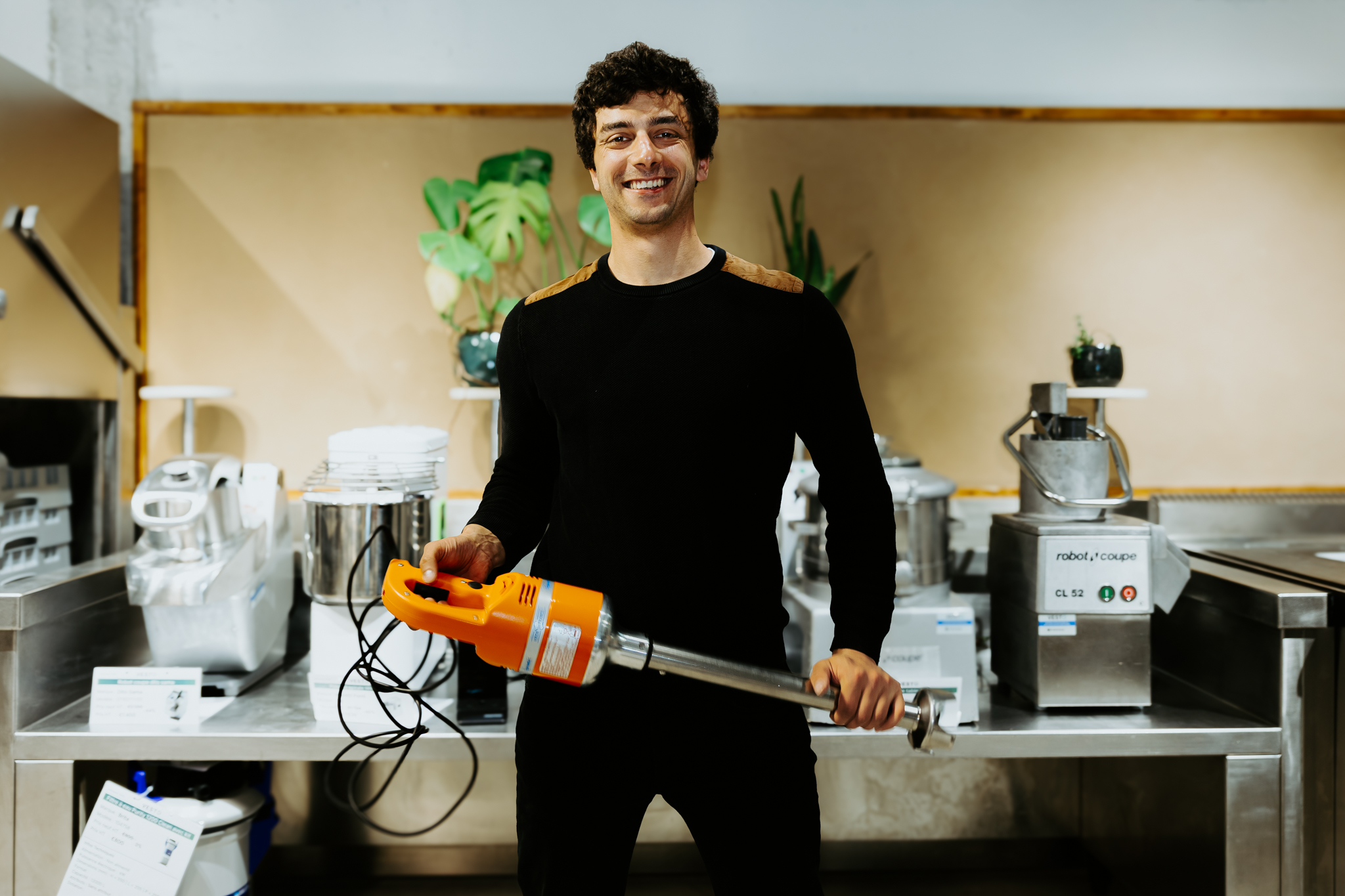
Vesto collects used catering equipment and machinery from restaurant owners, before reconditioning them to reintroduce them to the industry. For the Games, it is providing reconditioned equipment to the Athletes’ Village’s food service. ©Roxane Montaron / Les Canaux
Moulinot
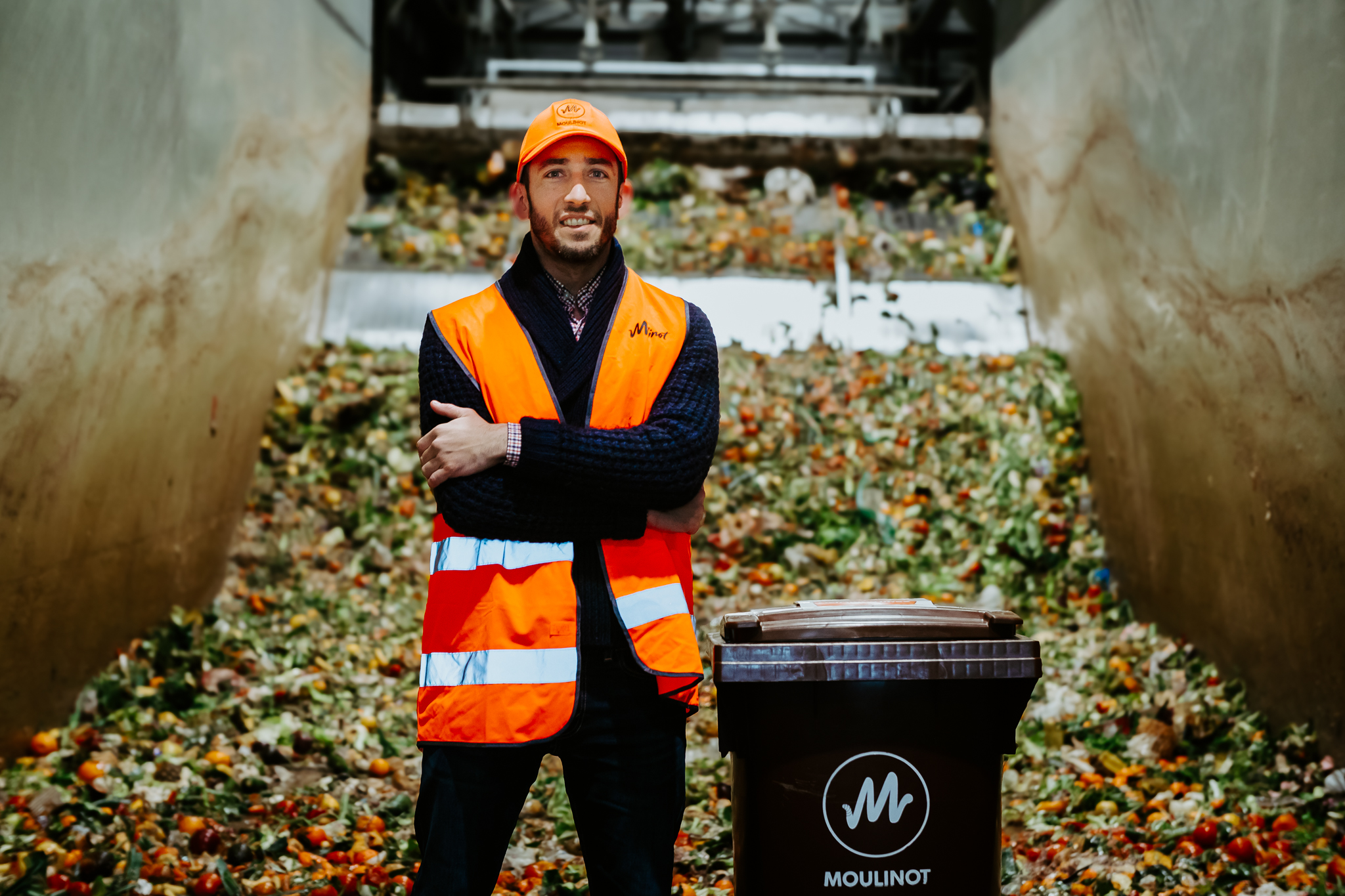
Moulinot employs people facing long-term unemployment to collect bio-waste to create energy and compost. For the Olympics, it is collecting food waste from the Paris 2024 headquarters and Arena La Chapelle stadium. ©Roxane Montaron / Les Canaux
Social procurement: a driver of Paris 2024’s sustainability strategy
The Paris Olympics aimed to be the most sustainable and progressive Games ever held, from lowering carbon emissions to ensuring gender parity across sports.
Among those aims was to be more sustainable and inclusive economically, in particular through its procurement strategy, by making sure that SMEs and social economy organisations had access to the Games’ procurement contracts.
Paris 2024 put in place a dedicated procurement platform enabling smaller businesses to easily bid for contracts, Entreprises 2024, and the ESS 2024 programme, run by charity Les Canaux and the Yunus Centre, with support from Paris 2024 and SOLIDEO (La Société de livraison des ouvrages olympiques, a public body in charge of coordinating part of the Games’ procurement contracts).
The whole world will be able to discover these entrepreneurs who are creating a sustainable economy
The programme, launched in 2018, has supported organisations in the social economy to bid for contracts by connecting them with relevant opportunities and assisting them in their applications. As many as 6,000 social businesses benefited from ESS 2024 support through events and training, including more than 750 companies that received support specifically to respond to a contract for the Olympics, according to Les Canaux charity.
As it stands, 75% of contracts are being delivered by SMEs, including 500 social enterprises, according to Paris 2024’s sustainability report published last month.
Yunus, who is also a spokesperson for ESS 2024, said: “The Games have enormous power over people. We have not yet realised that this power can be used to benefit social transformation, if we organise them with the aim of finding solutions to social problems... Social business is the essential tool to translate the Games’ power into concrete social results.”
- Read our Pioneer Interview with Muhammad Yunus: ‘Education gives us a passenger mentality – but we are the pilots of this planet’
Paris 2024 organisers hope the impact of their efforts will be felt beyond the Games. The platform designed to help more SMEs and social economy organisations to win contracts will continue to exist for future sporting events; and the Paris 2024 organisers are hoping the methodology and tools developed through ESS 2024 will become a model to organise economically responsible events in the future.
Sports and social entrepreneurship: a natural match
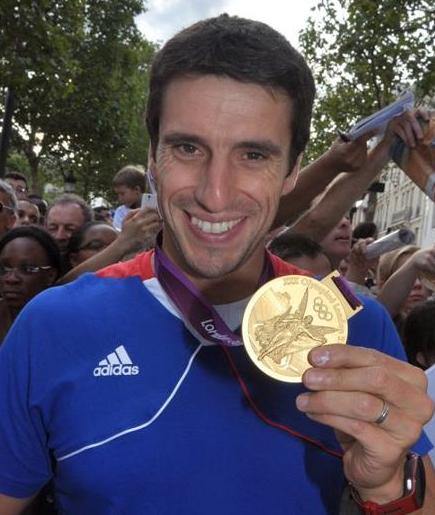 French canoeist Tony Estanguet (pictured), president of the Paris 2024 Organising Committee and three times Olympic champion, said athletes and social enterprises shared qualities such as ambition and audacity.
“Companies from the social and solidarity economy dare to invent a new model, they tackle major social and human challenges head-on to find concrete, local, innovative solutions. The same goes for athletes who dare to tackle feats that were said to be unachievable, to break records that were thought to be unreachable.”
Olivia Grégoire, currently minister for SMEs, trade, crafts and tourism, and a former minister for the social economy, highlighted the potential of the Olympics for the social economy. She said: “The Paris 2024 Games are an extraordinary opportunity to strengthen the dynamics of the social and solidarity economy, which shares with the world of sport the values of humanism and mutual aid.”
Top picture: Marius Hamelot, founder of social enterprise Le Pavé which provided the 11,000 seats of the Centre Aquatique Olympique and l'Arena La Chapelle, made from plastic waste. ©Roxane Montaron / Les Canaux
Portrait of Tony Estanguet by Georges Biard via Wikimedia Commons.
Thanks for reading our stories. As an entrepreneur or investor yourself, you'll know that producing quality work doesn't come free. We rely on our subscribers to sustain our journalism – so if you think it's worth having an independent, specialist media platform that covers social enterprise stories, please consider subscribing. You'll also be buying social: Pioneers Post is a social enterprise itself, reinvesting all our profits into helping you do good business, better.