

Patagonia vs Pattie Gonia: what can mission-driven businesses learn from the drag queen branding debacle?
Analysis: Patagonia has faced a social media backlash for its legal case against activist Pattie Gonia – but what is the best course of action when business principles and values collide?
Patagonia, one of the world’s most famous mission-driven businesses, has been caught up in a public relations firestorm this week, after the drag artist and environmental activist performing under the name Pattie Gonia accused the brand of trying to “erase” them.
In January 2026, Patagonia filed a trade mark case in California federal court against Pattie Gonia performer Wyn Wiley and Entrepreneur Enterprises Inc, the company through which Pattie Gonia’s business is managed, accusing Wiley’s “Pattie Gonia” merchandise of infringing on it trade marks.
The case gained significant attention in the press and on social media when last week Wiley posted a series of videos and published an open letter addressed to Patagonia’s leadership. Wiley denied using Patagonia’s branding, logo or font on merchandise, accused the company of corporate bullying and betraying its core mission and called on Pattie Gonia fans to pressure the clothing company to drop the lawsuit.
If Patagonia wants to celebrate Pride Month this year by taking a queer climate activist to court, then I am here to fight
In one video, Wiley, performing as Pattie Gonia, said: “If Patagonia wants to celebrate Pride Month this year by taking a queer climate activist to court, then I am here to fight for myself and here to fight for us.”
The dispute continued to play out on social media over the week, including a public negotiation over actions Wiley could take to persuade Patagonia to drop the lawsuit.
Meanwhile, the court of public opinion has been in session, with social media users weighing in on either side. It appears both Patagonia and Wiley have come out of the week with their reputations damaged and the prospect of a drawn-out legal fight ahead.
But, for other mission-driven businesses and social enterprises, what is there to learn from this story and could Patagonia have done anything differently?
|
Who is Pattie Gonia? The Pattie Gonia persona was created by performer Wyn Wiley in 2018. Pattie Gonia has built a significant profile and community around campaigning for LGBTQ+ rights, environmental causes and inclusion of minority and lower-income communities in outdoor and adventure sports. Pattie Gonia’s website says they have raised more than US$4.7m for environmental and social justice causes. In 2022 they co-founded the Outdoorist Oath, a charity that aims to create outdoors and adventure sports community for Black, Indigenous and People of Color, Queer and underrepresented groups. Entrepreneur Enterprises Inc, which operates as Pattie Gonia Productions, is a privately owned business based in Bend, Oregon, US, and as such doesn’t have to disclose financial information. |
Patagonia’s case
In a statement, Patagonia said it had maintained an “open dialogue” with Pattie Gonia for more than three years to “discuss ways she could continue her environmental and social advocacy, brand deals, and other work” without infringing on Patagonia trade marks.
The company said that changed in late 2024, when Pattie Gonia began selling “Pattie Gonia” branded apparel online and continued to create and use versions of the Patagonia logo.
We cannot selectively choose to enforce our rights based on whether we agree with a particular point of view
Offers it made to further discuss an agreement were refused or not responded to, said Patagonia. Then, in September 2025, Entrepreneur Enterprises Inc filed a trade mark application seeking exclusive rights to use the brand “Pattie Gonia” to sell clothing and apparel, promote environmental activism, engage in online marketing and endorsements, and more.
That would directly overlap with Patagonia’s work and products, Patagonia said, as well as posing “long-term threats” to its brand and activism. In its court filings, it said: “The present day commercial enterprise contradicts Defendants’ [Wyn Wiley and Entrepreneur Enterprises Inc’s] prior promises"
Patagonia added that to maintain its own trade mark, it is necessary to prevent others from copying its brands and logos, no matter who is doing the copying. “We cannot selectively choose to enforce our rights based on whether we agree with a particular point of view,” it said.
What the lawyers say
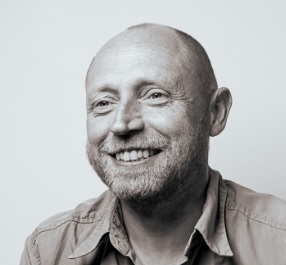
Mathew Healey (pictured) is partner and head of trade marks at UK law firm and prominent B Corp Bates Wells. He said in this instance, Patagonia needed to defend against “dilution” of its trade mark, whereby if one brand allows an accumulation of other similar brands, and the public becomes used to being able to distinguish between them, it allows more brands to register trade marks increasingly close to the original brand.
 In addition, allowing similar brands to your own potentially emboldens other parties, said Healey. “If Patagonia aren't enforcing their trade mark when they really should, then other people look at that and think, ‘I can do x, y, and z and they ain't going to sue me’,” he explained.
Healey believes Patagonia has managed a difficult situation about as well as it could have. He thinks from a legal perspective it wasn’t possible for Patagonia to allow Wiley to pursue the application for the “Pattie Gonia” trade mark and to sell merchandise, but it appears the company did its best to resolve the dispute amicably before resorting to the courts.
More than half of Healey’s clients are charities or mission-driven businesses, and he says in situations like this it is crucial to consider both the legal and reputational perspectives: “We're very often advising people, ‘you can send them a cease and desist letter if you think that's the right thing, but just think through how this looks’,” he said.
Confusion over trade mark confusion
A lot of social media criticism of Patagonia’s case has focussed on its claim of consumer confusion between it and Pattie Gonia’s merchandise. Many comments mocked the concept of consumers believing Pattie Gonia merchandise is official Patagonia product.
But, said Healey, there are two types of consumer confusion in trade mark law: direct confusion (thinking a product made by one company is actually made by another) and indirect confusion, “where people can tell the difference, because the difference is manifest, but because of the nature of the two brands in question, people think there's a commercial connection”.
I genuinely thought this was a Patagonia ad for too long…or is it?
It is indirect confusion that Patagonia is claiming, and in its court filing the company quoted social media comments on Pattie Gonia merchandise which demonstrate a lack of clarity for consumers, for example: “I genuinely thought this was a Patagonia ad for too long…or is it?”
In his videos, Wiley claimed that although Patagonia is only suing for a nominal US$1 in damages, the legal fees in the case could amount to more than US$1m. That cost, combined with a ruling to no longer sell Pattie Gonia merchandise, would result in both him, and the team he employs, losing their livelihoods, said Wiley.
Healey said although there wouldn’t be anything technically stopping Patagonia from waiving its legal fees in this case, if it were to drag on through various appeal courts for a number of years it could amount to a multimillion dollar bill. “From a point of view of corporate governance, I can't imagine that they feel that they can do that,” he said.
What could Patagonia have done differently?
Social media commenters have speculated Wiley timed posting videos about the Patagonia suit at the start of Pride month to maximise publicity and garner support from the LGBTQ+ community.
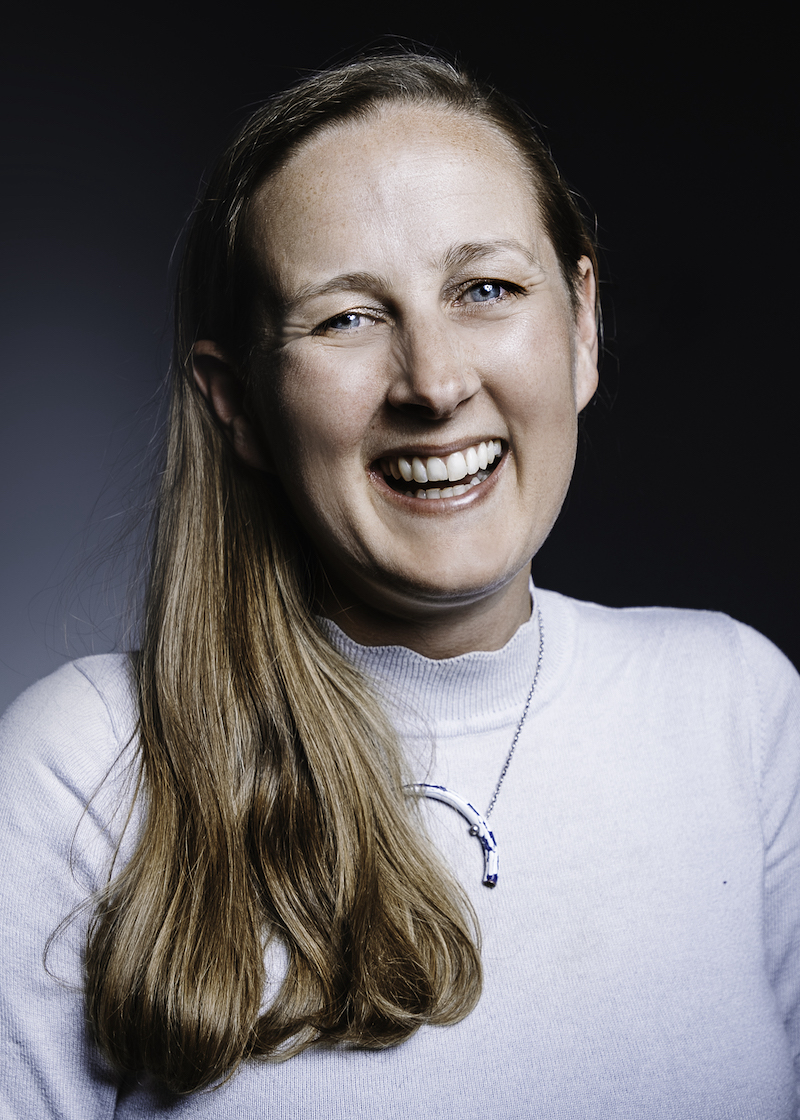
Social entrepreneur and member of the LGBTQ+ community Camilla Marcus-Dew (pictured) backs that theory. They said: “Pattie knows how the system works. They have been fighting hard on this back and forth for years, and they've chosen the right time to raise awareness against the corporates that have quietened their LGBTQ+ message.”
In an Instagram post, Patagonia denied its case against Wiley was in any way motivated by anti-LGBTQ+ sentiment. It said: “We wish this lawsuit had not been necessary, and we want to acknowledge any hurt it has caused, especially in the LGBTQ+ community.”
Marcus-Dew is co-founder of Amplify Goods, a women-led company set up in 2021 that sells eco-friendly hygiene products to businesses while creating living-wage work experience for people facing barriers to employment such as homelessness and disability. They are also a previous winner of Pioneers Post’s Women in Social Enterprise (WISE100) Environmental Champion Award and Amplify Goods was a finalist in the Pioneering Newcomer category in the 2026 SE100 Impact Pioneer awards.
While Marcus-Dew agrees the Pattie Gonia brand got too close to Patagonia’s in some of its designs, leaving Patagonia with “no easy answers”, they question whether it was necessary for the company to sue the drag queen, and whether it was the best course of action.
I can see how they have quite blankly followed good legal practice, but I think there's so many cases where following what lawyers say is a very bad idea
“Patagonia is in a very sticky situation, and I can see how they have quite blankly followed good legal practice, but I think there's so many cases where following what lawyers say is a very bad idea,” they said.
Because Wiley’s activism is so values-driven, it was inevitable he would fight back against the lawsuit, believes Marcus-Dew, and taking the case to the court of public opinion was a predictable tactic.
They said: “When a lawyer raises something like this, they really need to know who you're up against. If they did, then they should have seen this coming, seen that they would fight and, in doing so, damage Patagonia's brand.”
That publicity can have unexpected consequences. Marcus-Dew pointed out that while merchandise is not currently available from the official Pattie Gonia website, there is now a company called Pattie Gonia Merch running a pattiegonia.store website. Pattie Gonia Merch is selling merchandise “inspired” by the drag queen, similar to those that used to be sold through Pattie Gonia’s official site.
According to information on domain registrar and web hosting company Go Daddy, pattiegonia.store was registered on 29 May 2026. The Pattie Gonia Merch website says the company is headquartered in California, with a warehouse in China.
It is not know who is behind the new site and there is no indication that Wyn Wiley or Entrepreneur Enterprsises Inc are involved in any way. Pioneers Post contacted Pattie Gonia Merch for comment. It had not responded at the time of publication.
Any lawyer that sends a threatening letter to a social campaigner or activist, that's really scary
In 2020 Marcus-Dew was sued by the buyer of Clarity, the social enterprise they worked for, after the charity went into administration and Marcus-Dew became a whistleblower.
That case was thrown out of the high court as baseless, and Marcus-Dew is in no way equating Patagonia's behaviour to that of Nicholas Marks, the buyer of Clarity, who was charged by the pensions regulator with fraudulently taking workers' pensions (but died before that case came to court). But Marcus-Dew says they understand how Wiley feels being sued by an entity with significantly more resources than you.
“Any lawyer that sends a threatening letter to a social campaigner or activist, that's really scary. The legal fees alone are enough to bankrupt someone like me. In my case, I was told the legal fees could be half a million pounds. The legal fees are what is acting to try and silence activists.”
To make an effort to show good faith to the LGBTQ+ community, Marcus-Dew suggests Patagonia release a range promoting issues Wiley has campaigned on and donate the profits to the Outdoorist Oath.
Beware ‘knee-jerk’ condemnations
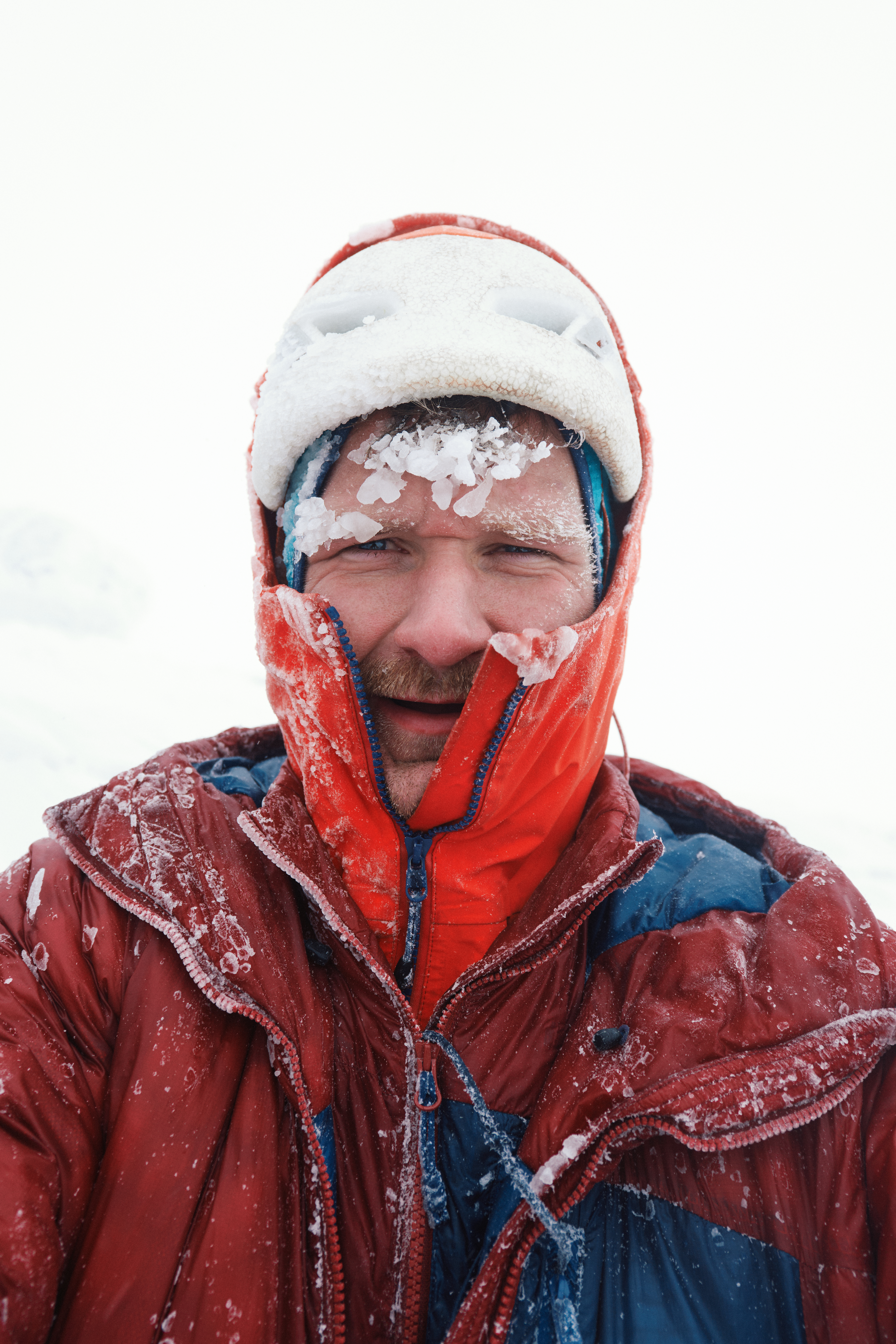
Climber and photographer Hamish Frost (pictured) has spoken previously about his experiences as a queer person working in adventure sports and his anxieties about coming out to the outdoors community.
Both Frost and Marcus-Dew highlighted that corporate behaviour in relation to the LGBTQ+ community was under particular scrutiny at present. Donald Trump’s second term as US President has seen a very public step back from support for LGBTQ+ rights by large corporations, including many withdrawing sponsorship of Pride events.
Within that context, Patagonia allegedly attacking a member of the LGBTQ+ community could be seen as in keeping with the harmful behaviour of other big businesses, which it has set itself up as operating differently to.
“The narrative that has been portrayed here is that Patagonia is attacking LGBTQ+ inclusion and activism in the outdoors community, rather than it being a straightforward copyright or IP issue as presented in the lawsuit,” said Frost.
“This narrative is compelling and believable as it comes amid the erosion of LGBTQ+ rights. So much energy is being expended attacking a company that does a lot of good, when we should be directing that energy towards actual threats to the LGBTQ+ community,” he added.
So much energy is being expended attacking a company that does a lot of good, when we should be directing that energy towards actual threats to the LGBTQ+ community
Because the outdoors and adventure sport community has traditionally been strongly associated with heterosexual, white, male culture and “historically been a tricky space to be out and comfortable”, Pattie Gonia’s activism is particularly powerful, with any perceived threat to it felt keenly by their supporters, Frost explained.
Frost said he’d been a follower of Pattie Gonia’s work for some time: “I donated to it quite early on, and got sent stickers, one of which is one of the contentious ones with very similar branding to Patagonia.”
Even though he’s been on Baffin Island, Canada, on a climbing trip for the past month, Frost said he’d still seen the story “really blown up” among the outdoors community. But, he warned against jumping to criticise Patagonia.
He said: “Rushed condemnation has the potential to undo much of the hard work of a company that has done a massive amount of good over its lifetime. We should exercise restraint and wait to hear the full facts before passing judgement, otherwise we risk mirroring the same knee jerk, evidence-free condemnation we object to in others.”
Top image: The Patagonia logo (credit: Nathan Congleton) and Wyn Wiley/Pattie Gonia (credit: ikonpass)

| Ready to invest in independent, solutions-based journalism?
Our paying members get unrestricted access to all our content, while helping to sustain our journalism. Plus, we’re an independently owned social enterprise, so joining our mission means you’re investing in the social economy. |