

The right kind of money for the right kind of organisation: how to better align the UK's impact economy
A new framework from Social Investment Business and New Philanthropy Capital aims to help funders, policymakers and investors better understand what market infrastructure is required to grow the impact economy.
The UK’s social economy is in a position to secure more capital, partnerships and support – but to do so, policymakers, funders and investors need to better understand the financing needs of the different types of organisations that create social and environmental value.
That’s the argument made by a report published on Tuesday by Social Investment Business (SIB) and New Philanthropy Capital (NPC). The Segmenting the Impact Economy report details a new framework for categorising impact economy organisations, which SIB and NPC said will “help policymakers, funders, investors, infrastructure bodies and sector leaders distinguish between the different business models, capital needs and routes to scale across the impact economy”.
The new framework divides the impact economy into segments based on the different ways they interact with finance. The report’s authors believe segmenting the impact economy in this way will help funders and policymakers see more clearly where additional market infrastructure is required to enable growth.
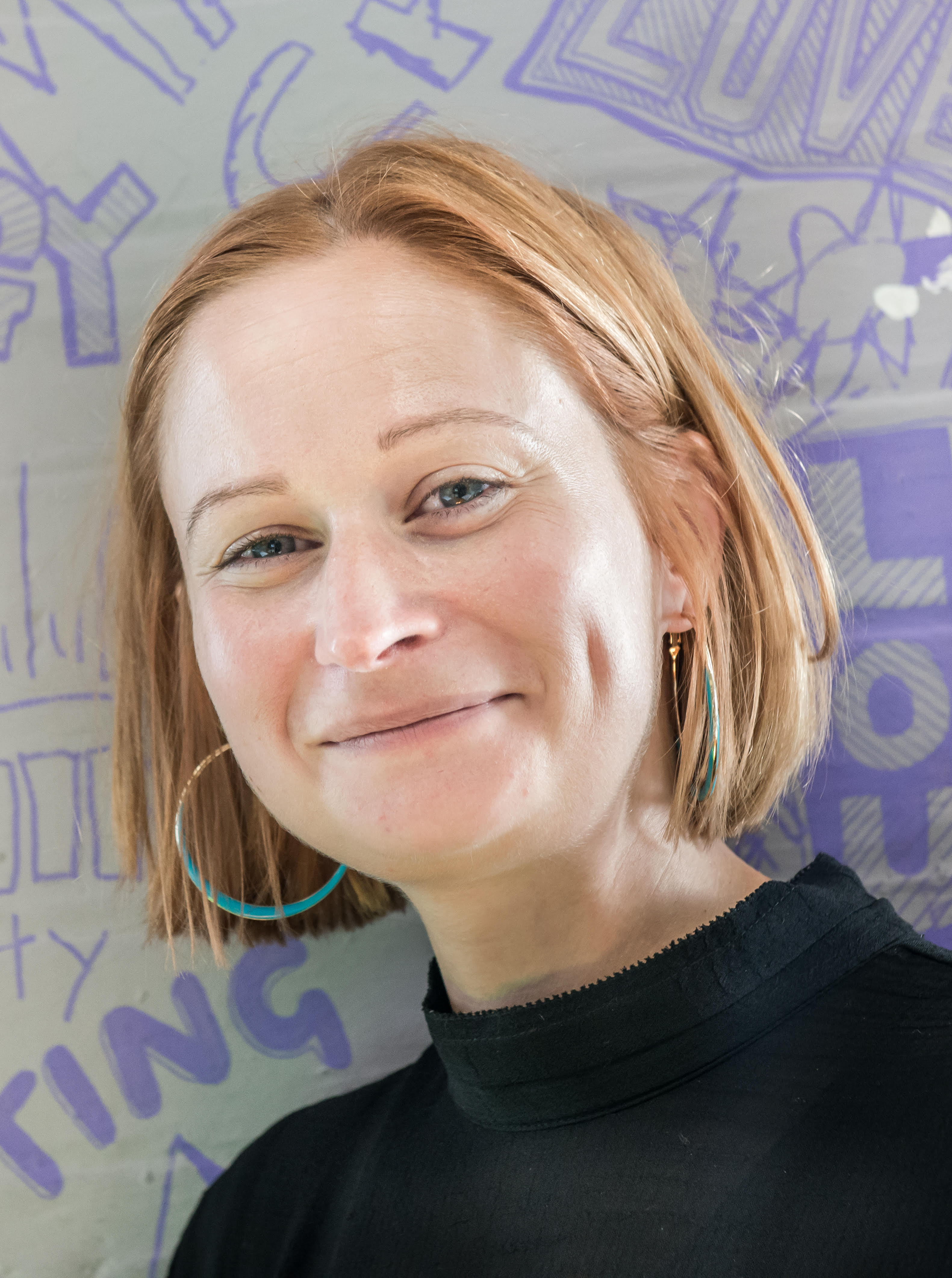
Speaking to Pioneers Post, Genevieve Maitland Hudson (pictured), deputy CEO of SIB, said the new framework is a more accurate reflection of the ways organisations in the impact economy function and what finance is appropriate for different business models, rather than being conceptualised as one broad field.
“It can sometimes feel somewhat haphazard exactly what money is made available for exactly what purpose. We wanted to have a clearer reflection of that, and particularly to think about procurement, commissioning and funding,” she said.
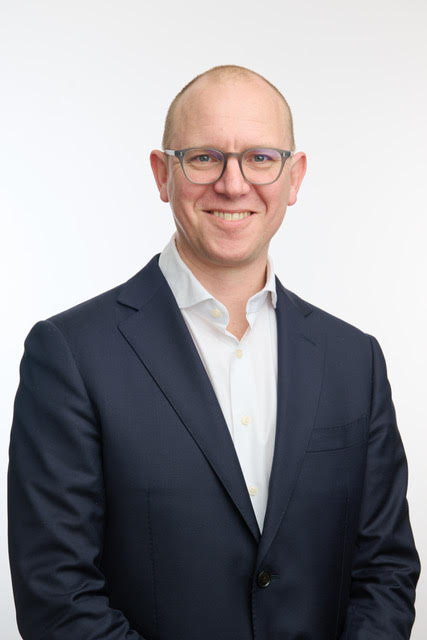
David Neaum, senior consultant in impact investing at NPC (pictured), told Pioneers Post the framework would enable a better understanding of social investment: “We’ve had market infrastructure that’s been built around social investment and the regulated impact economy but that language of social investment is confusing to most people,” he said. “The language of impact investing has blurred the boundary between investing into the regulated impact economy and investing into what are commercial companies that want to have impact, and what kinds of instruments are appropriate to both, and what kind of assurances are needed for each.”
|
The segments of the impact economy, as defined in the Segmenting the Impact Economy report
|
Demonstrating that repayable finance isn’t always the answer
Maitland Hudson and Neaum believe the framework demonstrates that repayable finance isn’t suitable for all impact economy organisations, and that every organisation shouldn’t be seen as being on a journey towards social or impact investment.
Neaum said the dominant understanding of the impact economy is through the lens of capital, which can lead to thinking every organisation should aspire to be investable. “For some organisations, particularly charities, that’s just not appropriate for their business models,” he said. “I think [this framework] relieves the burden a little bit on grant-sustained organisations and says ‘if you want these kinds of outcomes, then this is the cost of delivering them.’”
For organisations with low turnover, without prospect of financial growth or reliant on volunteers, Maitland Hudson argues it is not responsible to push them towards repayable finance. Not being able to deliver repayable finance to grant sustained organisations is also not a sign of failure on the part of social investors, she said.
How increased clarity of understanding can deliver more impactful procurement
Although the report wasn’t planned with an Andy Burnham-led government in mind, Maitland Hudson said it is very relevant to the new administration’s devolution agenda.
With increased commissioning and fiscal powers devolved to lower levels of government, a better understanding of how to fund and finance different types of organisations will be necessary to maximise the potential of the impact economy.
“If the public sector doesn’t have a good way of understanding the underlying economy it’s seeking to engage with, you could end up with procurement systems that are not good,” Maitland Hudson said. “Being able to be clear about the differences between how blended finance operates, what you do when you give out subsidy, what you’re doing when you make a grant, the difference between capital and revenue grant, how those don’t function in the same way, it feels as if it should be second nature, but I don't think it is.”
It's interesting that social value is being diluted by the Burnham government
Last week the government published a revised social value model, which governs how central government departments, their executive agencies and non-departmental public bodies weigh social value in public procurement.
As of 1 January 2027, there will be no social value requirements on contracts worth less than £1m, social value will be defined as “taking account of how a supplier will work for our communities to provide good British jobs, skills and opportunities”, removing from the concept social and environmental benefits.
Maitland Hudson said the changes made to the social value model reflect an ambition of the Segmenting the Impact Economy framework, to enable a greater number of smaller impact economy organisations to benefit from the social value system.
She said: “It’s interesting that social value is being diluted by the Burnham government. That is, I think, a reaction to a long running critique of social value, which is that actually it ended up favoring very large organisations who were able to be compliant with social value expectations in a way that smaller, more charitable organisations were unable to evidence for the purposes of that kind of compliance regime.”
Adding depth to headline figures
The Segmenting the Impact Economy report takes as its startpoint figures from NPC’s Impact UK research, published in February: that the impact economy contributes £428bn to the UK’s economy, representing 15% of the country’s GDP.
When NPC published those figures it sparked significant debate among the UK’s impact economy community about which types of organisations were and were not included, in particular the decision to not systemically include co-operatives and employee-owned businesses.
- Read more: NPC’s ‘impact economy’ definition: a ‘missed opportunity’ or chance to collaborate better?
Neaum said that, rather than trying to provide a “headline figure” as Impact UK did, the Segmenting the Impact Economy report is looking at the whole economy through the lens of impact to understand how differentiating between its segments can support impact in each of them.
Top image: Fairshare Midlands is a registered charity operating from three dedicated warehouses to redistribute surplus food, reaching 60,000 people. Repayable finance from Social Investment Business enabled it to invest in operational efficiency and strengthening fundraising capacity to support scalable growth (credit: Social Investment Business).

| Ready to invest in independent, solutions-based journalism?
Our paying members get unrestricted access to all our content, while helping to sustain our journalism. Plus, we’re an independently owned social enterprise, so joining our mission means you’re investing in the social economy. |