

What will the Burnham government mean for the UK’s impact economy?
Will geopolitics push social enterprise to the bottom of the inbox? Will power be truly shared through devolution? Will progress made so far be forgotten? We asked representatives of Co-operatives UK, Social Enterprise UK, Do It Now Now, Better Society Capital and more to share their perspective on the new PM.
The UK has appointed its seventh prime minister in 10 years, and he is a known ally of the impact sector. Andy Burnham is the first British PM to be a member of the Co-operative Party (in addition to Labour), signalling from the outset his support for alternative business models that benefit communities.
He also has a solid track record of supporting and working with social enterprises and investors during his time as Greater Manchester mayor, and his policy priorities align with what the impact economy can deliver: social enterprises have demonstrated time and again that driving “good growth in every postcode” is just what they do; social investment has proven particularly successful in helping to tackle homelessness; and his vision of “investing in people’s success” is a perfect match to outcomes financing, for example.
His top team includes backers of the sector – social enterprise-friendly Angela Rayner is back as housing secretary, and Lisa Nandy, who was involved with the previous government’s impact economy agenda, remains culture secretary, overseeing the civil society brief.
But a big loss for the impact community is Darren Jones, a strong champion of the sector and the architect of the Office for the Impact Economy, launched eight months ago. Seen as a close ally of former PM Keir Starmer as chief secretary to the Treasury, then chief secretary to the prime minister, he was sent back to the backbenches yesterday.
As Burnham faces the realities of government and the major challenges that come with it (at home and abroad), how meaningful his personal past involvement with the impact sector will be remains to be seen. We’ve asked leaders in the impact sector from across the country – from Co-operatives UK CEO Rose Marley and Do It Now Now boss Bayo Adelaja to Social Investment Business’s Nick Temple – about their hopes, concerns and predictions for the new prime minister and his government.
‘The real test of devolution will be whether that power is shared with those who understand their places best’: Rose Marley, CEO, Co-operatives UK
 I’ve worked alongside Andy Burnham for almost a decade and I’ve seen first-hand his belief that the people closest to the challenges are often closest to the solutions.
Andy’s vision of devolving power is ultimately about trusting places to shape their own future. Devolving power from Whitehall is important, but the real test is whether that power is then shared with the people and communities who understand their places best.
Andy, in his previous role of mayor of Greater Manchester, has consistently recognised the role that co-operatives and social enterprise can play. His Live Well agenda works directly with communities and the voluntary, community, faith and social enterprise sector, while his recent speech at the People’s History Museum highlighted the importance of procurement and social value.
As mayor he appointed [comedian and actor] Steve Coogan and me to co-chair the UK’s first co-operative Mayoral Development Corporation, with a clear intent to put people and community at the heart of regeneration in Middleton.
There’s growing recognition that co-operatives and mutuals can help tackle some of the country’s biggest challenges. My hope is that this becomes the norm rather than the exception, with policymakers routinely considering the ‘impact economy’ alongside more traditional approaches. There’s still more to do to build that understanding, but the direction of travel is really encouraging.
My only caution would be not to try to boil the ocean. I’d like to see a focus on areas where we already know co-operatives can make the biggest difference
My only caution would be not to try to boil the ocean. I’d like to see a focus on areas where we already know co-operatives can make the biggest difference, including food and farming, social care, community energy and community ownership. Show what works, build confidence, then scale it.
Co-operatives UK is a membership body for co-operative businesses across the UK.
‘Social entrepreneurs might have to play the long game’: Andrew O’Brien, head of secretariat, Independent Commission on Neighbourhoods
 The new Burnham Ministry will start off on a hopeful rhetorical tone for social entrepreneurs and social enterprises. Burnham has spoken positively about social value, community ownership, stronger public oversight of public services and giving power to communities. If he delivers on any of these topics, particularly social value, he will have done the sector a great service.
The question which no one knows the answer to is whether the impact economy is anywhere within the top five issues that the prime minister (and critically, his team) wants to invest his limited political capital.
The best move is to assume that the first few months will be a relative write off, and trust that Burnham’s ideological commitment to social entrepreneurship will lead him back around
The frustration for the sector is likely to be that for the first time, probably ever, there will be a prime minister who personally understands and supports social enterprises, but, due to events and his party’s situation in the polls, may not be able to meaningfully deliver on that agenda in the short term.
The question is how do social entrepreneurs react? The best move is probably to play the long game – assume that the first few months will be a relative write off, and trust that his ideological commitment to social entrepreneurship will lead him back around to the sector. When the chips are down, politicians tend to default back to what they are comfortable with, and we know the new PM is very comfortable with social entrepreneurs.
Andrew O’Brien is former director of external affairs at Social Enterprise UK. He writes in a personal capacity.
‘Devolution will achieve little if the same well-resourced organisations are allowed to dominate’: Bayo Adelaja, founder and CEO, Do It Now Now
 An Andy Burnham-led government could bring social enterprise much closer to the centre of economic policy, particularly through devolution, public-service reform and community wealth building.
But opportunity is not the same as access. At Do it Now Now, our evidence consistently shows that Black and Global Majority-led organisations are often mission-rich, trusted by their communities and capable of delivering significant impact, while remaining infrastructure-constrained. They face weaker access to core funding, procurement opportunities, financial systems and investor networks.
The test of a Burnham government would not be how many opportunities it creates, but who is actually equipped and permitted to take them. Economic devolution will achieve very little if it simply allows the same well-resourced organisations to dominate at a more local level.
In our Make It Big programme, 69% of organisations said strategic planning had strengthened their influence, 62% pointed to increased funding and 54% to stronger organisational infrastructure. Yet only 15% believed that a supportive external environment had contributed to their progress.
I hope a Burnham government would pair regional investment with long-term flexible funding, proportionate due diligence, compensated capacity building and meaningful procurement pathways for grassroots and lived-experience-led enterprises.
My worry is that localism could transfer responsibility without transferring sufficient money, capacity or power. Without intentional racial equity and accountability for who receives investment, regional growth risks reproducing the same exclusions under a different name.
Do It Now Now is dedicated to empowering Black-led charities, social enterprises and entrepreneurs in the UK.
‘We hope Burnham builds on what is already there rather than starting again’: Tess Godley, policy and advocacy director, Better Society Capital
 Much has been made of Andy Burnham being the UK’s first Labour and Co-operative prime minister, and of what ‘Manchesterism’ means – both are genuinely positive signals for our sector. But this isn’t a moment we need to prepare for from a standing start. The foundations are already in place: the Office for the Impact Economy, the £500m Better Futures Fund launched in [the prime minister’s constituency] Makerfield itself, and the impact economy’s strong track record in Greater Manchester and across the UK.
Devolution hands mayors and combined authorities real power, and every region will need partners who can bring pension, philanthropic and private capital behind its priorities. A government focused on prevention will need mechanisms that pay for outcomes. Both are precisely what this sector has spent more than a decade building. The Makerfield Test [Burnham’s pledge to test all policies against whether they would work for communities like Makerfield] asks whether change reaches overlooked places. The impact economy is already working in those places. The task now is to show the new government how, together, we can help.
The impact economy is already working in overlooked places. The task now is to show the new government how, together, we can help
We hope the incoming government builds on what is already there rather than starting again. That means embedding the Office for the Impact Economy at the heart of government, championing the Better Futures Fund when its first round 1 partnerships are announced, and going further on outcomes-based commissioning. The hope is for a genuine partnership with the impact economy as a delivery partner from place-based investment to homelessness and public service reform.
The impact economy is ready to partner with the incoming government, helping it deliver the Makerfield Test, and we look forward to doing so.
Better Society Capital is the UK’s social investment wholesaler.
‘We need to see action – at pace and at scale’: Nick Temple, CEO, Social Investment Business
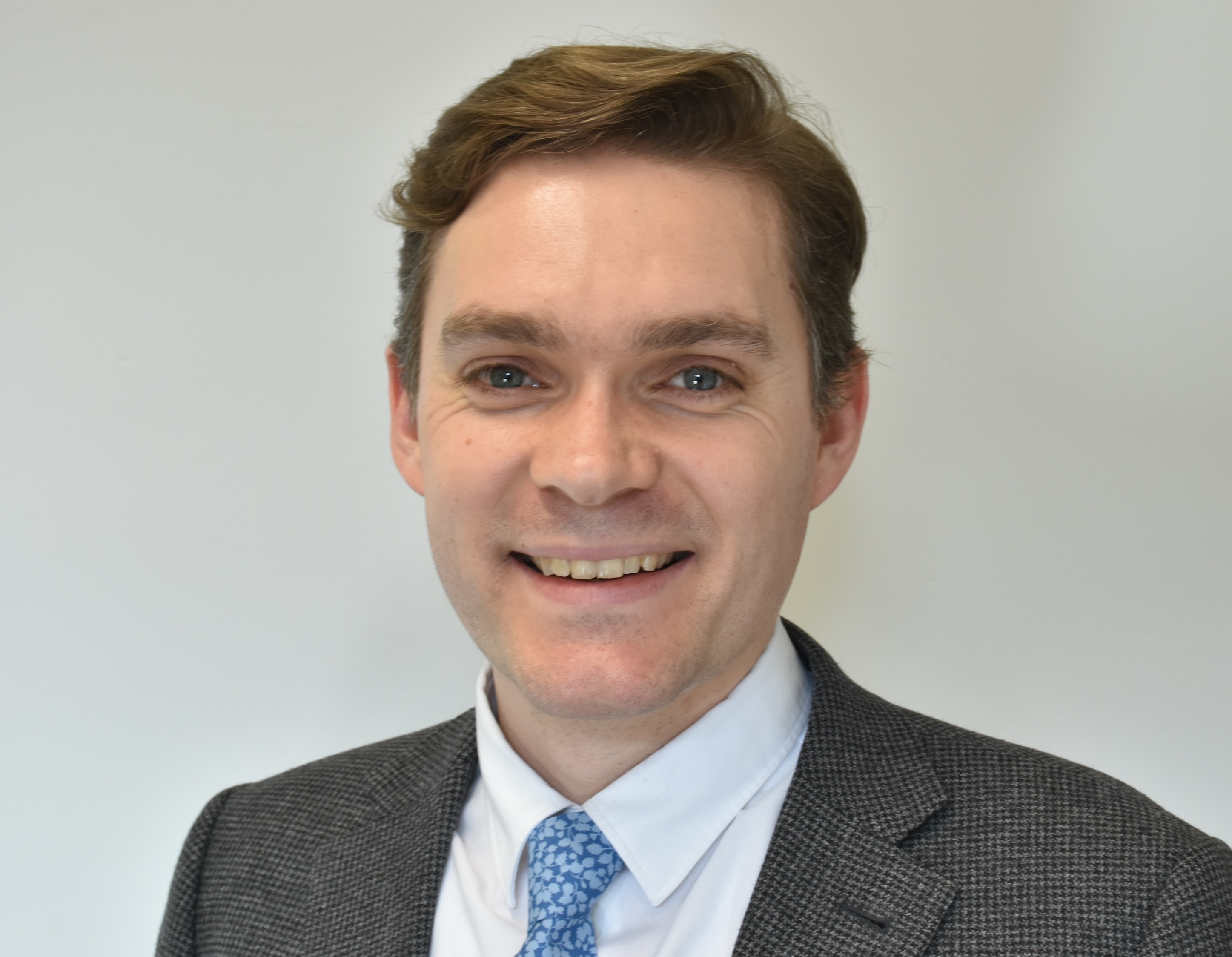 Andy Burnham is rightly recognised for his support of social enterprises and co-operatives in Greater Manchester, and I’d expect that understanding to travel with him into Number 10 (North or South). My strong hope is that his commitment translates into action – at pace, and at scale.
Pace, because charities, social enterprises, co-operatives and the wider impact economy need to see things move. That means procurement reform that genuinely opens up public services (social value done well, proper payment terms, ringfencing for non-profits, etc). It means new funds that make government money go further, and real opportunities to deliver ‘good growth in every postcode’. And it means moving now – this is a three-year timeline. Place-based, yes; but pace-based too.
Scale, because the social and environmental challenges grow by the day; a burning platform is now a description of what is outside, not a metaphor. Covenants and agreed ways of working matter, but it’s time to move from announceables to deliverables. For us at Social Investment Business, that means community buildings written into the Warm Homes Plan, social investment welcomed alongside public money in local areas and combined authorities, and a bolder approach to public service reform so social enterprise providers can thrive.
Social Investment Business is a social investor, grant maker and social investment ecosystem-builder.
‘We hope a focus on social value will thread key elements of Burnham’s government together’: Jovan Owusu-Nepaul, head of public affairs, Social Enterprise UK
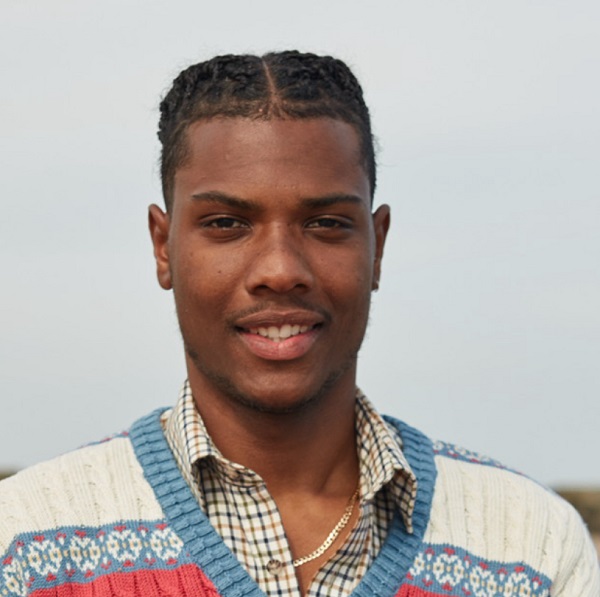 At Social Enterprise UK, we see this change in leadership not only as an opportunity for a political reset, but also a chance to build on the government’s social enterprise policy.
Andy Burnham recognises the essential role businesses play in our communities, and that social value must be embedded in their operating models.
“Unlocking social value is so important, because it’s about improving people's lives – what they’re paid, the opportunities they have, and also the environment in which we all live,” he said at the Social Value Summit in 2020. He doubled down on this in his recent speech at the People’s History Museum, promising his government will “ensure all eligible public contracts are subject to proper social value weighting”. We hope this focus on social value will help thread key elements of his government together.
To be the first Labour and Co-operative prime minister is not insignificant, and the ideological distinctions between the two parties are important. Established on the principles of mutualism and communitarianism stretching back 150 years in northern towns and cities, the ideas of the co-operative movement indicate an inclination towards social enterprises: businesses rooted in our communities that benefit people, planet and community.
Social Enterprise UK is a membership body representing social enterprises in the UK.
‘With a challenging global context and domestic policy issues, the social economy might not get the attention it deserves’: Duncan Thorp, policy and public affairs manager, Social Enterprise Scotland
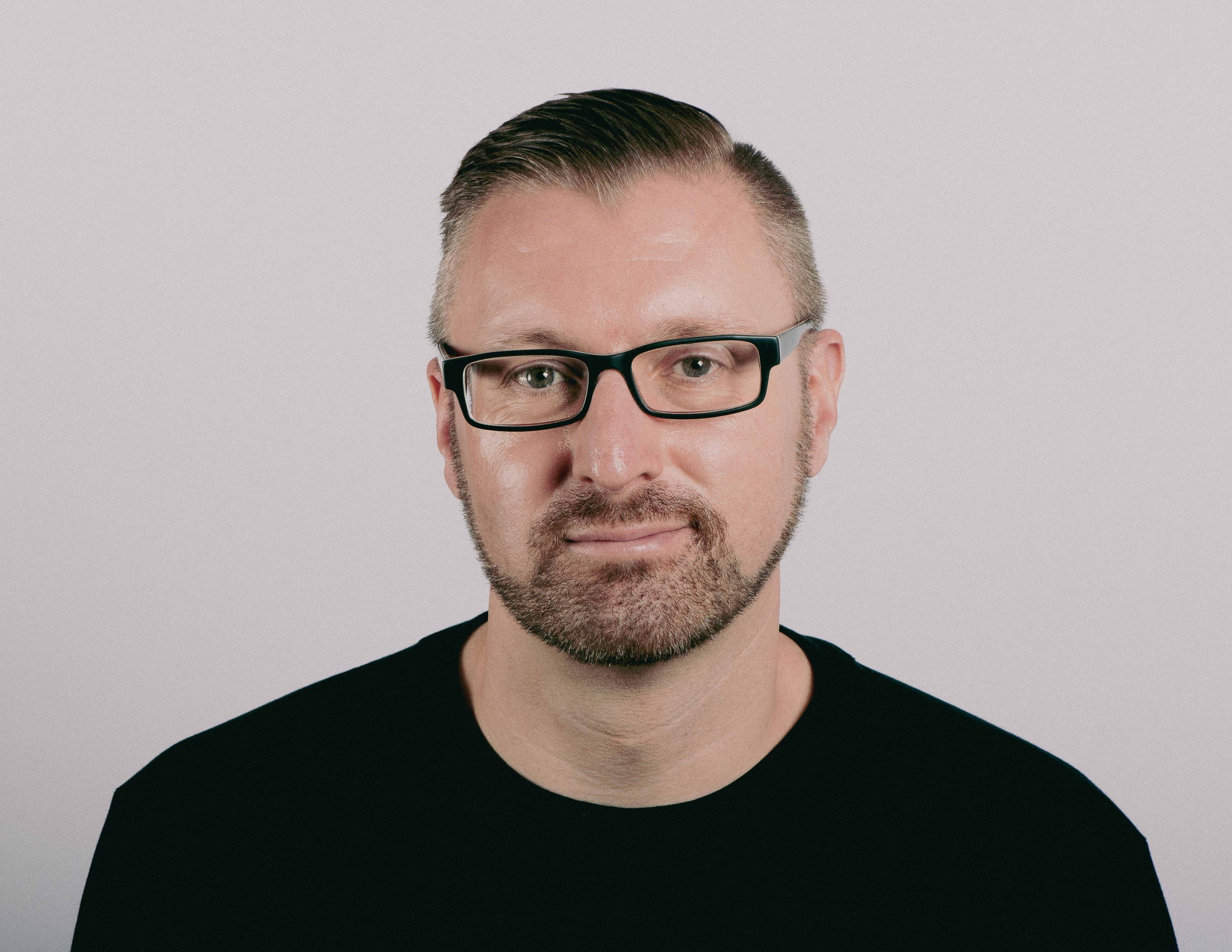 We know that Andy Burnham has been a strong supporter of the social economy for a long time. Therefore, we hope that an improvement in understanding and, crucially, financial investment, will be the outcome. Though, it’s important to note that a change in senior personnel doesn’t necessarily mean a major shift in policy direction, with the same manifesto and party in power.
As most of the powers for social enterprise development are devolved to Scotland there may not be direct, immediate impacts here. However, with the prime minister’s commitment to devolution and manifesto pledges for the social economy, there’s opportunity for Scotland to perhaps gain powers over corporate law and corporation tax, tax reliefs and related tools.
With a highly challenging global context and many domestic policy issues, there is a concern that the social economy isn’t given the attention it deserves. This is where our key messaging is vital.
We must clearly state the huge further potential of the social enterprise and business impact community and how we contribute to economic growth. In addition, how social enterprises are often more productive and longer lasting than the old business models – and, of course, how we solve significant social problems with our expertise in prevention and early intervention.
Social Enterprise Scotland is a membership body which represents the social enterprise community in Scotland.
‘Burnham’s understanding of the social enterprise sector could be an opportunity for us’: Andy Petrie, CEO, Local Services 2 You (LS2Y)
We are a social enterprise based in Huddersfield, West Yorkshire. A key part of what we do is run three nurseries and provide childcare.
In recent years the business model for early years has improved based on changes made by both the Conservative and Labour governments. This has meant that we are in a better position now than we have been for some time. We often operate in areas that schools and others don’t want to operate in and are a key mechanism for addressing inequality.
The challenge for us is that as a social enterprise we are lumped in with private providers. Large parts of the sector are being bought out by private equity with all of the profit-extraction and worsening services that can entail. Ofsted has also raised concerns about how some of the big chains are operating with regard to safeguarding.
So from the point of view of the government, I can understand that focussing funding on school-based early years is simpler; you avoid the potential pitfalls of giving money to these huge chains with sometimes not good reputations or practices.
The challenge then is how can we differentiate ourselves and show that the social enterprise/not-for-profit part of the sector is worth investing in and supporting. This is of course not a new challenge and it is the same in other sectors such as care homes, etc. Andy Burnham seems to have some understanding of the social enterprise sector so it could be an opportunity for us.
LS2Y is a group of social enterprises which provide employment and services for the community.
Top image: Andy Burnham arrives at 10 Downing Street on Monday. Picture by Lauren Hurley / No 10 Downing Street.

| Ready to invest in independent, solutions-based journalism?
Our paying members get unrestricted access to all our content, while helping to sustain our journalism. Plus, we’re an independently owned social enterprise, so joining our mission means you’re investing in the social economy. |