

‘Young people are gaining a stronger voice in corporate decision-making’
 OPINION: Corporate decision-making typically privileges knowledge and length of service. But this model is under pressure as young people call for more influence over decisions which affect their futures, says Kate Robertson of One Young World. Prada, Gucci and L’Oreal are all experimenting with shifting where authority sits.
Recent political developments – from increased youth participation in electoral movements in Nepal to the emergence of younger municipal leadership in global cities such as New York – point to a broader generational shift that extends beyond politics.
We are witnessing what is known as the ‘Mamdani effect’: a shift in which those most affected by future decisions are gaining greater influence over how those decisions are made. As someone who works with more than 20,000 young leaders in 196 countries I see that young leaders are no longer waiting for permission to lead; they are demanding a stronger voice in shaping the choices they will have to live with the longest.
While this shift is visible in politics, it is increasingly present inside corporations. The traditional hierarchy – long built on experience and tenure – is facing a quiet but growing challenge to its legitimacy.
The governance gap
Typically in a corporate environment, decision-making flows through hierarchical systems that privilege accumulated knowledge and length of service. That model is now under pressure not because it no longer works, but because the environment it operates in has changed.
Most organisations still plan in quarterly or annual cycles. Yet the consequences of major decisions – such as adopting new technologies, restructuring workforces, or responding to climate and regulatory change – unfold over much longer periods, and are difficult to fully predict or reverse.
Over time, organisations become effective at managing the present, but less connected to the longer-term future they are helping to shape
This creates a gap between decision-making and consequence. Those shaping strategies are not always those most exposed to its long-term effects. Over time, organisations become effective at managing the present, but less connected to the longer-term future they are helping to shape.
Evolving forms of inclusion
In response, many organisations are attempting to broaden participation in decision-making through youth advisory boards and structured consultation processes.
However, these remain largely advisory. They provide input but do not change where authority ultimately sits.
As a result, their impact is limited. Without integration into core decision-making structures, such initiatives risk becoming symbolic, signalling inclusion rather than redistributing influence.
More recently, some organisations have begun experimenting with more embedded approaches. One Young World has long engaged with corporates which have the power and will to make positive change at a global scale. With the largest business footprint of any NGO in the UK, we work with partners to integrate junior talent into strategic decision making, giving them the platform to challenge legacy systems and implement resilient and future-focused business models.
For example, Holcim sends junior managers to the annual One Young World Summit – the global forum that brings together young leaders from all sectors to develop solutions to pressing social and environmental challenges – as a core part of its sustainable leadership development. Upon returning, these delegates drive internal transformation projects that directly reshape the company’s approach to sustainability, inclusion and corporate responsibility.
In the retail sector, luxury giants Prada and Gucci established shadow boards of younger employees to review executive strategies. By tapping into the invaluable perspectives of their rising talents, both brands successfully reversed declining sales and re-aligned their products with a new generation of consumers. L’Oreal has also experimented with the use of reverse mentoring, giving junior employees co-ownership over global diversity metrics and sustainable product rollouts.
What distinguishes these approaches is not their format, but their function. They attempt to widen the range of perspectives inside decision-making systems that remain largely shaped by hierarchy and tenure.
From participation to key stakeholders
When organisations fail to address the gap between decision-making and long-term consequence, it begins to shape how employees relate to their work.
There is growing evidence of ‘conscious quitting’, where individuals walk away from employers that lack a genuine, board-level commitment to social and environmental goals.
While often framed in cultural terms, this also reflects a governance issue. Younger professionals increasingly judge an organisation not just by pay or progression, but by whether the board is actively steering the business toward sustainable, long-term outcomes.
This has implications for recruitment, retention and organisational cohesion. Where decision-making feels disconnected from those who will live with its consequences, participation becomes harder to sustain.
Rethinking legitimacy
The implications of this shift are still emerging, but they are already visible in how organisations are reassessing participation, authority and governance.
The question is no longer whether younger voices should be included, but whether existing structures can remain legitimate if they systematically exclude those most affected by long-term outcomes.
The issue is not generational representation in itself. It is the alignment between decision-making authority and exposure to consequence over time.
Seen in this light, inclusion is not a symbolic gesture. It is becoming a structural requirement.
The representation gap is not accidental. It reflects a choice about how organisations define legitimacy and in a world of accelerating change, that choice is becoming harder to defend.
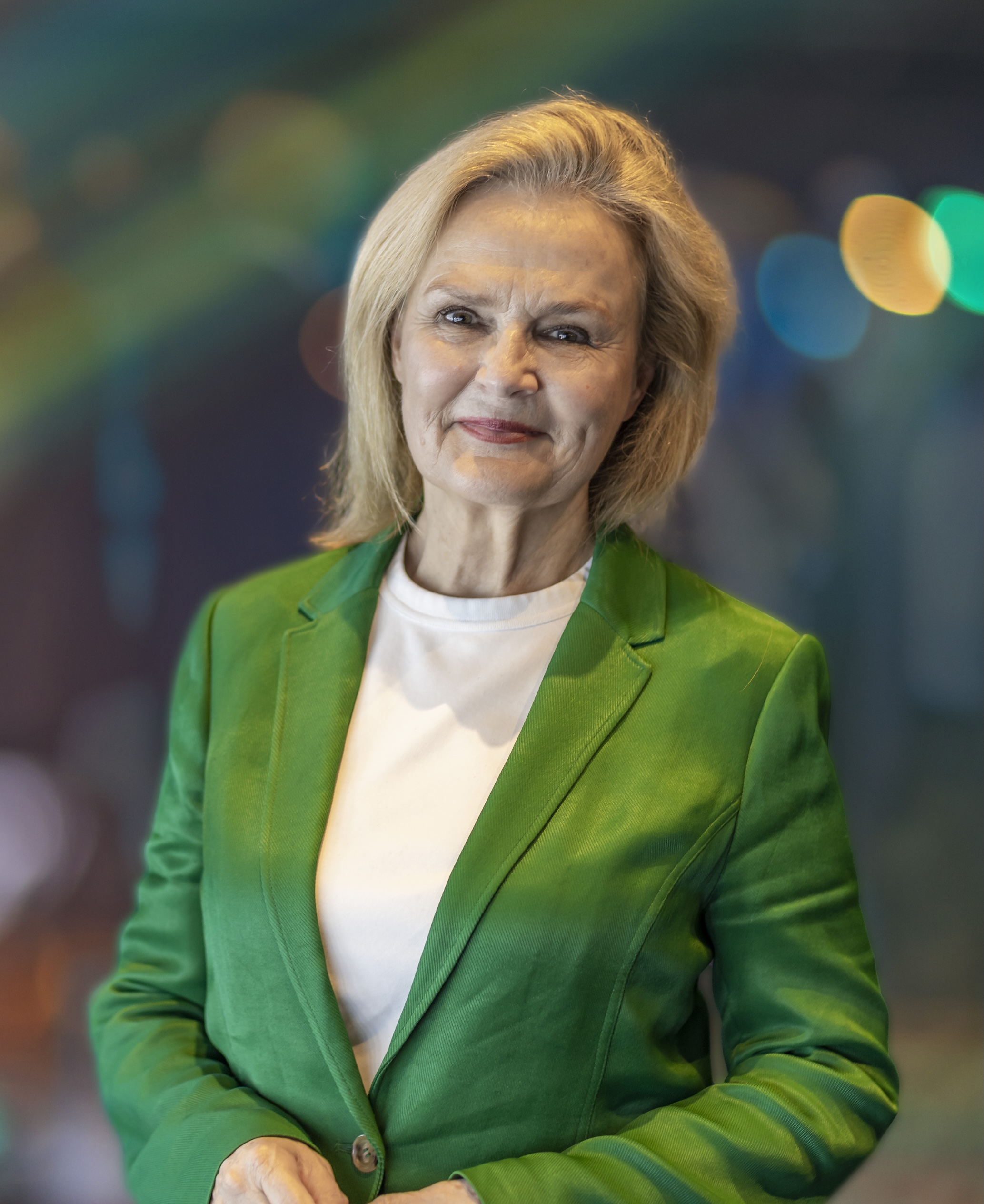
Kate Robertson is co-founder of One Young World
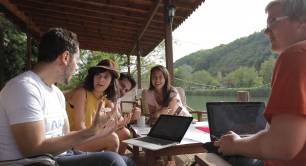
Header photo: participants at the annual One Young World Summit

| Ready to invest in independent, solutions-based journalism?
Our paying members get unrestricted access to all our content, while helping to sustain our journalism. Plus, we’re an independently owned social enterprise, so joining our mission means you’re investing in the social economy. |
