
Scotland’s forthcoming social economy strategy must be backed by funds and ‘bold new ideas’
After the Scottish government announces a new social economy strategy, and a potential £10m social impact partnerships fund, Social Enterprise Scotland chief calls for targeted funding for different business models.
The Scottish government will develop a new social economy strategy and invest an initial £200,000 in social impact partnerships, which may lead to a £10m social impact partnerships fund, it announced this week.
After winning Scottish national elections in May, first minister John Swinney’s Scottish National Party (SNP) detailed what it wants to achieve before the end of its term in 2031 in its ‘programme for government’, published on Tuesday.
Included in the programme for government is a commitment to develop a social economy strategy. An existing ten-year social enterprise strategy, launched in 2016, comes to an end this year. That strategy was preceded by the Enterprising Third Sector Action Plan (2008-2011).
- Read more: Global Focus on Scotland
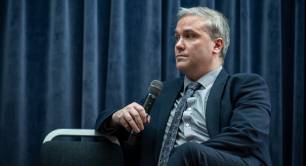
In his foreword to the programme, Swinney (pictured) said: “This programme is rooted in Scotland’s values and strengths and will help build a Scotland that is truly fair, healthy, prosperous, secure, skilled, sustainable, and connected.”

While stating his ambition to make Scotland one of the most successful economies in the world for nations of its size, Swinney emphasised that “growth is not an end in itself”.
Instead, Swinney positioned growth as supportive of the social impact the government is seeking to achieve. He said: “It means more good jobs and successful businesses and stronger communities. It generates funding to deliver public services and underpins our broader social aims, such as tackling women’s inequality, eradicating child poverty, and addressing the climate emergency.”
Laying the groundwork for a £10m social impact partnerships fund
Apart from the commitment to the strategy, there wasn’t a lot of detail about social enterprise in the programme for government. However, the section of the document focused upon increasing regional growth adds that the government will “strengthen economic development within communities through support for more social enterprises and the wider social economy, cooperatives and employee-owned businesses”.
The programme for government also reaffirmed a £200,000 investment in the new Justice Social Impact Partnership, which had been announced separately on Monday. The partnership is expected to help inform how similar funding and delivery models might be used elsewhere in government. The programme for government said if the partnership is successful the government will establish a £10m fund for social impact partnerships over the parliamentary term.
The Justice Social Impact Partnership will fund projects focussing on creating safe spaces for young people, diverting young people from crime and anti-social behaviour and preventing reoffending and supporting reintegration into communities. It brings together nine organisations, including Social Investment Scotland, the National Social Work Agency Scotland and Community Justice Scotland to design three project proposals by the end of March 2027.
In February 2026 the previous Scottish government, also led by Swinney and the SNP, made the country the first in the world to legislate for an economic model called community wealth building which aims to circulate wealth within the local economies in which it is generated The model places a strong emphasis on the role of social enterprises.
This week’s programme for government stated that job creation and economic output in Scotland will be underpinned by community wealth building and that the government will harness public sector procurement and collective budgets to “strengthen local supply chains and create jobs in local communities”.
Further to this, the government will consult on a procurement bill to “maximise economic and social impact and protect Scotland’s interests, including how to drive innovation in health and care and amplify support for community wealth building through procurement”.
‘Bold new ideas’ and financial backing required to deliver on commitment
While the commitment to developing a social economy strategy was welcomed by Social Enterprise Scotland CEO Chris Martin (pictured), he now wants the government to follow up on its announcement.
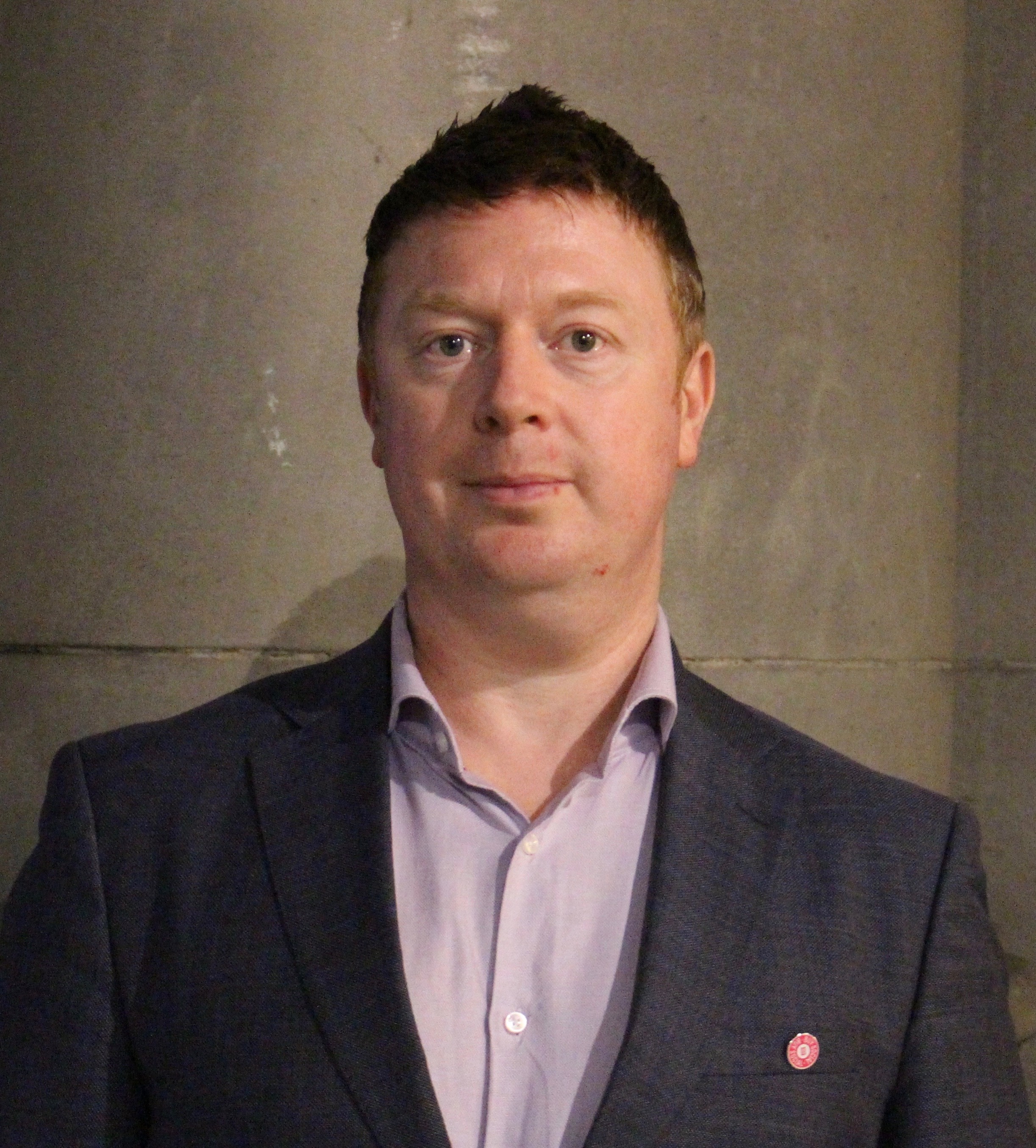
“The next test is delivery. We need to see the timetable, the evidence base and, critically, the financial commitment behind the ambition,” he said. Martin also warned against spreading existing social enterprise budget across support for a broader social economy, adding: “If we are serious about growing co-operatives, employee-owned businesses and other inclusive and democratic models, there needs to be additional targeted investment to develop those models.”
There is an important role for social enterprises in the Justice Social Impact Partnership, said Martin, because many are already delivering the kind of community-based work it is focussing on. Looking ahead to the potential £10m Social Impact Investment Fund, Martin said: “The interesting question will be how social enterprises and other inclusive and democratic business models are involved in designing and delivering those partnerships.”
It is significant that the commitment was included in the section of the document on regional growth, believes Martin.
Let’s connect social enterprise and the wider social economy much more clearly to community wealth building, procurement reform, public service reform and regional economic development
“Let’s connect social enterprise and the wider social economy much more clearly to community wealth building, procurement reform, public service reform and regional economic development,” he said. “At present, those connections are present in the programme for government, but they are not yet brought together into a coherent economic proposition.”
But Martin flagged that while the government had a stated ambition to increase the number of ‘inclusive and democratic business models’ (the terminology the Scottish government has adopted to cover social enterprises, cooperatives, employee-owned businesses, development trusts and community enterprises) by 2034, the latest Social Enterprise in Scotland Census showed growth had remained flat for three years. In light of that data, Martin argued that “achieving a step change will require renewed investment, stronger infrastructure and some bold new ideas”.
The most recent census was the final one funded by the government under the terms of a previous commitment, and Martin noted there was not yet any information about whether it would be continued or replaced, potentially leaving any new social economy strategy without the ability to measure progress.
A first minister championing the social economy
Scotland’s social enterprise support system is recognised globally as world-leading, and Swinney has been a long-term champion of the sector throughout his parliamentary career.
Despite that, Martin felt moved to write an open letter to the government expressing his disappointment when the 2024/25 programme for government, the first published after Swinney became first minister, didn’t mention social enterprise.
Since then, Swinney has demonstrated vocal and visible support for the sector, including attending a number of annual summits and award ceremonies organised by Social Enterprise Scotland. In August, Social Enterprise Scotland announced Swinney will attend this year’s Social Enterprise Scotland Awards, which will take place on 28 October.
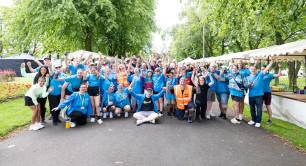
Top image: Scottish first minister John Swinney visits Scottish-based, homelessness social enterprise Social Bite (credit: Scottish government, Flickr).

| Ready to invest in independent, solutions-based journalism?
Our paying members get unrestricted access to all our content, while helping to sustain our journalism. Plus, we’re an independently owned social enterprise, so joining our mission means you’re investing in the social economy. |