The Editor's Post: What signal is B Lab’s new CEO appointment sending?

Some might have expected B Lab to appoint a figure from the corporate world as its new boss, but the organisation instead chose a leader in international development. What does it tell us about the future direction of the organisation? This week's view from the Pioneers Post newsroom.
The big news this week was the much anticipated announcement of B Lab’s new CEO. Some might have expected a figure drawn from the corporate side of the “business for good” community – I remember someone tagging Danone’s former boss Emmanuel Faber under the job advert when it first came up, for example.
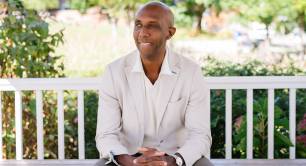
But the appointment of Peter Williams – who has 20 years of experience founding and leading international development organisations and was named among the “22 best emerging social entrepreneurs in the world” by Echoing Green in 2009 – could be seen as a signal of how highly the organisation values both the work of NGOs and the perspective of the global south, much of which is at the frontline of global businesses’ negative impact.
Williams’s logic for taking on the job makes sense: he’s spent most of his career dealing with the harms caused by businesses’ bad behaviour; leading B Lab is a chance to tackle this at the source.

Taken together with new standards that require B Corps to meet strict criteria on human rights and examine the impact of their supply chains, it does feel that B Lab has very much taken on board criticism aired a few years ago, when some multinationals gained certification despite known negative impacts in the global south.
Only time will tell how this will translate on the ground, as existing B Corps face recertification and new ones seek to achieve accreditation under the “harder” standards. But as politicians around the world seem to have moved social and environmental impact down their priority list, and corporate regulation is diluted to enable businesses to be “more competitive”, B Lab’s renewed commitment feels like a much needed source of hope.
Supporting refugee entrepreneurs
Last week we reported on how TERN, a social enterprise that supports refugees to build their own businesses in the UK, launched a dedicated investment fund to plug a funding gap that prevents refugee startups from growing and thriving, and in the process create countless benefits for their founders, the wider refugee community and society at large.
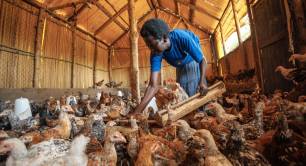
This week, a fascinating piece by Sazini Mojapelo, the CEO of nonprofit Village Enterprise, gives us a perspective on what supporting refugee entrepreneurs can achieve, this time in the global south. She highlights the impact of the DREAMS programme in the Bidi Bidi refugee settlement in Uganda. The programme sought to equip refugees with the skills and resources to start their own businesses, and help them find solutions to the barriers they face. The results speak for themselves: a recent report shows every US$1 spent on the programme delivered more than double in economic benefits for participants.
This means better food for families, education for children, access to healthcare – and, crucially, a true chance for refugees to get on with their lives. Because displacement is rarely a short-term reality for refugees, she reminds us – that’s why enabling them to rebuild their livelihoods in a self-sustainable way is so important.
This week's top stories
News: B Lab names Peter Williams as new CEO
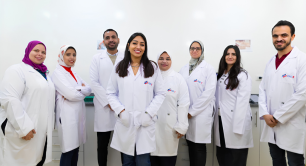
Investor in focus: How Anara Impact Capital is pioneering impact VC in the Middle East and North Africa
Expert insight: Why refugees need economic opportunities, not just aid
The Impact World this Week: 23 October 2026

| Ready to invest in independent, solutions-based journalism?
Our paying members get unrestricted access to all our content, while helping to sustain our journalism. Plus, we’re an independently owned social enterprise, so joining our mission means you’re investing in the social economy. |