Impact, sales – and optimism – have all been going up for the UK's leading impact pioneers, as evidenced by the latest SE100 Index, the annual list and survey of the UK's Top 100 social enterprises, published this week.
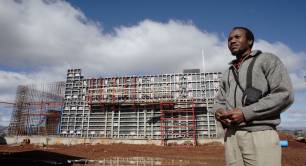
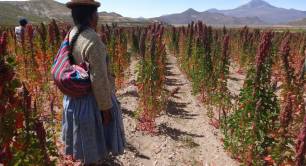
With a revolutionary approach based on seismology, the Earth Rover Program is making waves in soil health testing and is aiming for the “Holy Grail” of farming: high crop yields with low environmental impacts.
With the next EU budget on the horizon, now is the time for the bloc to drive forward global efforts for a more sustainable and social economy. But without action, the social economy could miss out, writes Euclid Network’s Toby Gazeley.
Funders must see disability as at the “intersection of everything”, say entrepreneurs at the Skoll World Forum, where a cohort of leaders championing inclusive public health took to the stage.
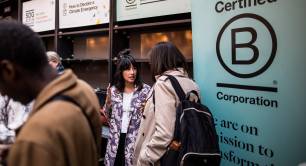
INTERVIEW: As B Lab leads a "substantial revisit" of the criteria for companies seeking B Corp status, we ask the man who oversees these standards what will change – and if recent criticism of B Corp certifications is justified.
Climate finance providers need to adopt a more flexible approach in Africa – working towards a "public good" of investments that benefit all – or risk being part of a longstanding impasse on the continent, says development economist Anzetse Were.
Latest quarterly survey from Social Enterprise UK finds 3% of social enterprises say they’re at risk of closing in the next few weeks as costs rise and turnover drops amidst calls for more help from the government.
How do you scale up your organisation to achieve more impact? To find out, the head of the UK's Responsible Finance spent a "mind-opening" week in Stanford – returning with three key lessons.
The Yorkshire MP takes on wide-ranging brief which includes responsibility for social enterprise alongside the King's coronation, the Eurovision Song Contest and much more.
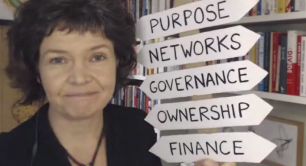
Doughnut Economics calls for an economy that is regenerative and distributive by design – and to get there, individual businesses must go much deeper than product innovation. Why "deep design" matters, and seven ways to get there.
A new kind of business education would mean future companies can help solve society's problems, says the British Academy, as its Future of the Corporation programme unveils a report on teaching "purposeful" business.
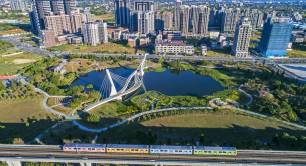
In just a few years, the City of Taoyuan has created a social business ecosystem, mustering support from hundreds of citizens, students, entrepreneurs and public officials, including the City Mayor and a Nobel Laureate.
The very survival of some communities depends on their ability to adapt to the effects of climate change. Meanwhile, the cost of financing adaptation is soaring, while private sources fund just a tiny portion of this. Enter impact investing.