Collection: Global Perspectives on Social Enterprise

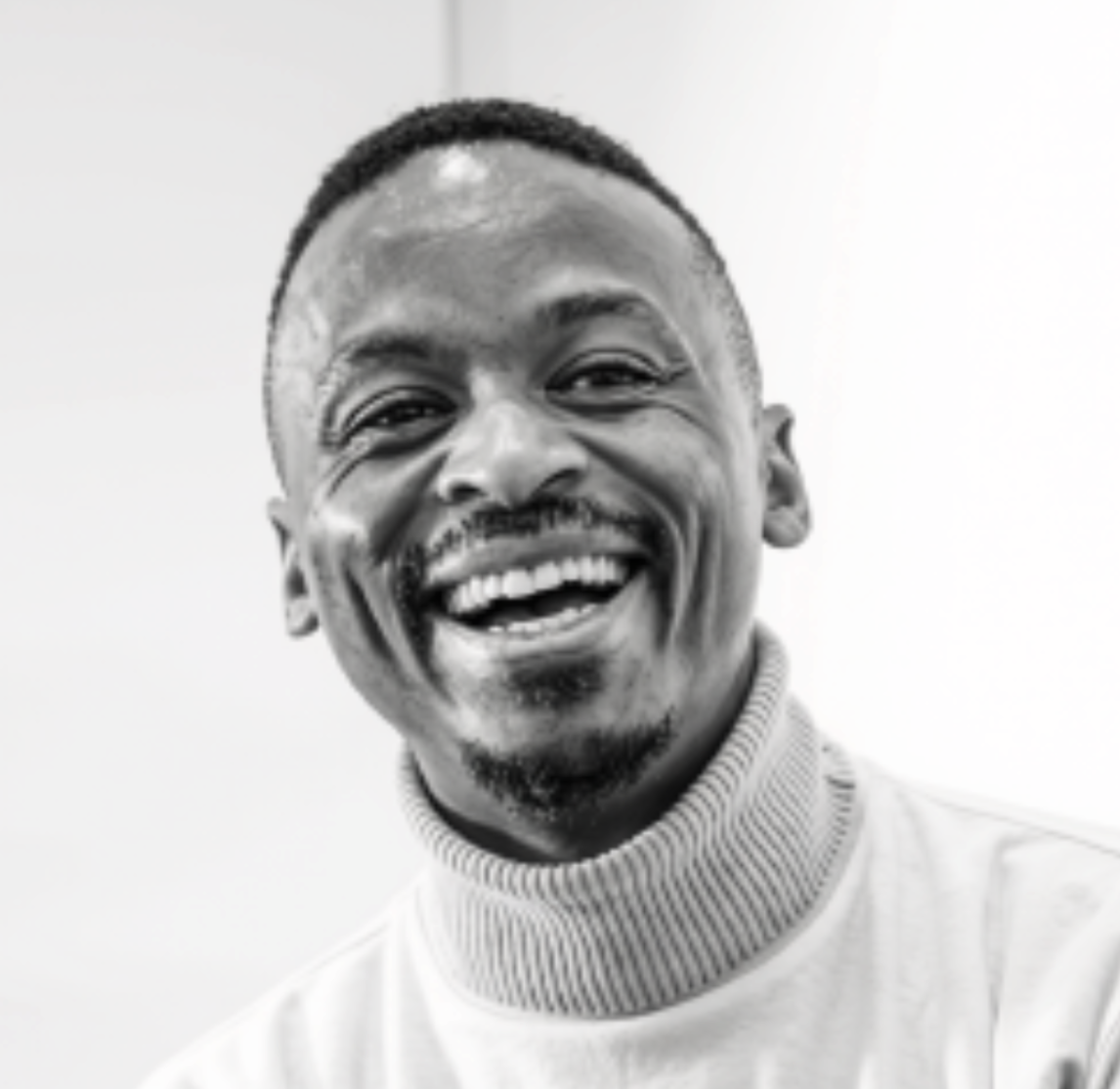 EXPERT INSIGHT: The Maboneng Township Arts Experience has flipped the extractive tourism approach to retain visitors’ spending in their host communities. It’s a great success, explains founder Siphiwe Ngwenya, but it’s a generation’s work. He shares what he’s learned over a decade of building the model.
It started with a question we rarely hear in development circles. What if the most valuable cultural asset in a township is not a new museum or a foreign-funded arts centre, but a living room?
For over a decade, the Maboneng Township Arts Experience has been quietly testing this idea across South Africa. We have helped more than 100 homeowners turn their private spaces into micro-art hubs, galleries and cultural tourism venues. Not as a side project, but as their primary economic strategy.
The results challenge almost every assumption I held about how creative economies scale in under-resourced communities.
Let me be direct. Most cultural tourism in the Global South is designed to leak. International visitors land, board an air-conditioned bus, photograph a township tour, buy a beaded souvenir from a pre-arranged market stall, and sleep in a hotel whose profits leave the postal code by nightfall. The community becomes a backdrop, not a beneficiary.
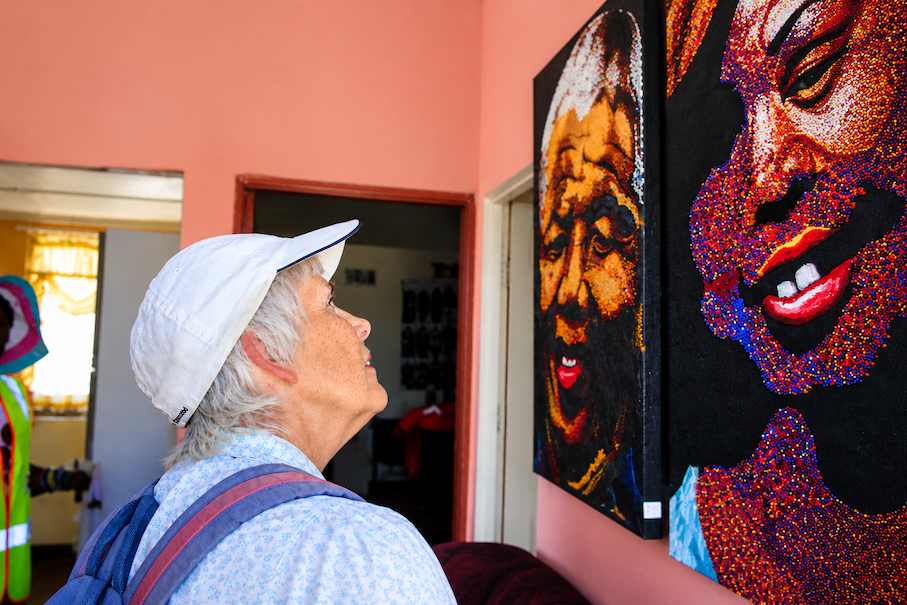
Our model flips that. A homeowner in Soweto or Maboneng opens their front door. Their lounge becomes a gallery. Their backyard becomes a performance space. Their neighbour becomes a guide. The tourist’s spend on art, on food, on entry fees is handled in cash or via mobile money that never leaves the street.
That is not charity. It is hard infrastructure, built from soft furniture.
To date, over 100 homes have become registered gallery spaces in our network. Visitor numbers to these areas have increased year on year, even through South Africa’s load-shedding and post-pandemic tourism slump. Local craftspeople, caterers and informal transporters now have a predictable income stream tied to culture, not to casual labour or grants.
We were surprised to find ourselves recognised among the top 32 public art programmes in the world at the International Public Arts Awards in China, and later as top fringe arts programme at the Global Fine Arts Awards in Miami. But the real validation came from a grandmother in Katlehong who told me, “Now when people knock on my door, they are not collecting debts. They are coming to see art.”
If you want to build a community-owned creative economy, here is what we learned the hard way.
People often ask us for a manual. We do not have one. What transfers is not a blueprint but a set of principles
Here is what I do not say at glossy conferences. This work is slow. It is unglamorous. And it often fails when measured by investor timelines.
We have been approached by impact funds wanting to roll out 1,000 homes in three years. We have said no every time. Because turning a township into a town with real businesses, real ownership, real cultural life is not a sprint. It is a generation’s work.
Turning a township into a town with real businesses, real ownership, real cultural life is not a sprint. It is a generation’s work
What we offer instead is a counter-narrative to the extraction economy. We are not trying to become the next Airbnb for art. We are trying to make ourselves unnecessary, to hand over every system, every contact list, every booking platform to the residents themselves.
For readers in London, New York or Nairobi, the next time you visit South Africa, skip the branded tour. Walk down a dusty street. Knock on a door that has a small hand-painted sign saying ‘Gallery’. Ask the person who lives there how their business works. Then ask yourself why this model is not the norm.
Pioneers Post readers know that system change does not arrive in a press release. It arrives in living rooms. Quite literally.
Our long-term vision is to help turn townships into towns, through arts and travel as vehicles for dignity, income and local ownership. We are far from finished. But after ten years, I can say this with confidence: the most radical infrastructure in the creative economy is a home that someone already owns, and a community that finally gets to keep what it earns.
Header image: A homeowner in Alexandra Township showcases artworks in her home as part of a Maboneng Township Arts Experience gallery tour

| Ready to invest in independent, solutions-based journalism?
Our paying members get unrestricted access to all our content, while helping to sustain our journalism. Plus, we’re an independently owned social enterprise, so joining our mission means you’re investing in the social economy. |