Leading voices from UK social enterprise, co-operatives and social investment have raised concerns over a “landmark” definition of the ‘impact economy’ that risks alienating a number of impactful organisations.
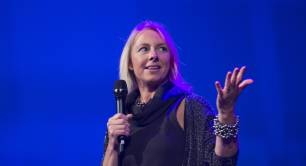
Impact Europe today revealed the name of its new chief: Angela Wiebeck, praised for “building bridges” between mainstream finance and impact over her two decades at UBS and Aquila Capital. She speaks to Pioneers Post from Brussels.
OPINION: There’s a message blowing across the Atlantic that the business of investment is to maximise return, and considering people and planet is woke nonsense. This argument is outdated, says GSG Impact chair Nick Hurd.
INTERVIEW: Putting a price tag on a company’s social and environmental impact is the only way to demonstrate its true profit and loss, believes Sir Ronald Cohen, who is now focusing on driving forward the next accounting revolution.
The Gym Group has been listed on the London Stock Exchange at a £250m valuation. Ellie Ward delves deeper into Bridges Venture's "poster child" investment.
At a time when some UK charities are being scrutinised for the amount of money that they spend, it was interesting to talk to Dan Pallotta at the IFC. We spoke to him about why the means justifies the end.
With the notion of ‘busyness’ being something both prized and recognised in our society, how do you cope during moments of relative calm when starting up a social venture? Helen Trevaskis reflects.
The annual International Fundraising Conference (IFC) attracts over a thousand delegates from major charities and is curated by the Resource Alliance. We asked new CEO Kyla Shawyer what was dominating the conversation in the sector.
The collapse of Kids Company and the BAAF further emphasised the need for proper management of UK charities. For that to happen, exacting scrutiny is imperative, argues Julia Grant of Impetus-PEF.
Despite economies on the rise, many of the challenges associated with the continent persist. With entrepreneurship a cultural norm, social enterprise has put down steadfast roots and is growing.
Your favourite local pub is put up for sale. You're fearful that it will be bought and have its character changed or be turned into luxury flats. What to do? Get the community together and buy it, that's what.