In Delhi for the first time, Asia's largest philanthropy and impact investment network, AVPN, says that despite the region's 1,000+ billionaires, its biggest challenge is the lack of Asian money.
OPINION: At a time when anti-rights movements are growing stronger, why is social investment not yet kicking in at scale to help build a more sustainable LGBTQI movement?
A new framework from Social Investment Business and New Philanthropy Capital aims to help funders, policymakers and investors better understand what market infrastructure is required to grow the impact economy.
Will geopolitics push social enterprise to the bottom of the inbox? Will power be truly shared through devolution? Will progress made so far be forgotten? We asked leaders from across the impact community to share their perspective on the new PM.
Your quick guide to the news in social enterprise, impact investment and mission-driven business. This week: Wates smashes its social enterprise spending target, Prince William's Earthshot Prize 2024 host city named, and more.
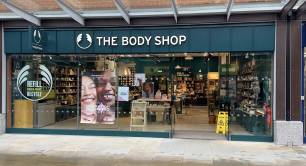
The Body Shop’s decision to appoint administrators has received mixed reactions, with many in the business for good sector grieving the trailblazing ethical company’s demise, while some members of the public believe it only has itself to blame.
Big Society Capital impact report reveals it has channelled £2.6bn of investment to more than 3,500 enterprises, highlights growing interest from venture capital firms, but points to need for more efforts to reach underserved communities.
Gael Drummond from Firstport says the high level of support the Scottish social enterprise ecosystem provides enables entrepreneurs from diverse backgrounds to develop their ventures. This week’s view from the Pioneers Post newsroom.
Your quick guide to the news in social enterprise, impact investment and mission-driven business. This week: Patagonia's donations under scrutiny, David LePage's latest news and a big-name move in the UK social investment sector.
Scotland’s new Ventures Lab will step up social enterprise support, as minister highlights country’s ambitions towards achieving a ‘wellbeing economy’.
The world’s 2bn informal economy workers need social protection, labour rights and decent working conditions. Co-operatives are the answer, according to StreetNet International.
Impact entrepreneurs call for economic ‘paradigm shift’ in EU, South Africa’s mission to create decent jobs and how the School for Social Entrepreneurs helps social enterprises survive longer. This week’s view from the Pioneers Post newsroom.
Your quick guide to the news in social enterprise, impact investment and mission-driven business. This week: big names pledge support for Yunus, Irish social enterprises aim high, and award opens for mid-career social entrepreneurs.