Autocracy is on the rise worldwide, and impact investors seem reluctant to step in. But large-scale transformations to health, education or the environment need a strong democratic base, the Latimpacto event heard last week.
Europeans have been hit hard by unprecedented crises over a hellish summer. As the EU negotiates its next multi-year budget, it’s time for the social economy to show both policymakers and citizens it has proven solutions to tackle them, writes Toby Gazeley from Brussels.
Travel is said to broaden your horizons, and the Latimpacto conference in the Brazilian city of Manaus this week gave delegates an ideal opportunity to bring fresh eyes to their work. We asked them what they were reconsidering.
In Delhi for the first time, Asia's largest philanthropy and impact investment network, AVPN, says that despite the region's 1,000+ billionaires, its biggest challenge is the lack of Asian money.
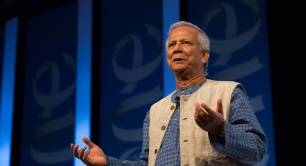
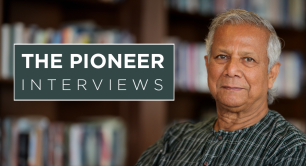
From banking to politics, or economics to education, a “contrarian spirit” is one of the characteristics that shone through for Anna Patton, as she reflects on her exclusive interview with Muhammad Yunus.
Yunus the entrepreneur turned the banking system in Bangladesh on its head and made microfinance a global phenomenon. But Yunus the teacher has still got work to do. At 84 – and facing a possible prison sentence – there's no time to waste.
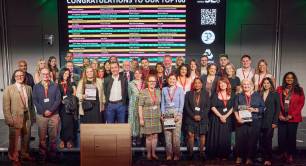
The UK’s most impressive social enterprises inspire optimism with solutions for people and planet, at our annual NatWest SE100 Awards ceremony in London.
In its last programme The School for Social Entrepreneurs supported 2,400 community business leaders who touched the lives of 2.1m people. Now there’s an opportunity to help hundreds more tackle the social and environmental issues on their doorstep.
The breadth and depth of social enterprise activity across the UK is being celebrated today with the launch of this year’s NatWest SE100 – the list of the UK’s top 100 social businesses.
Both France and the UK have a well-established impact community. While it can easily adapt to political change, it is harder to adapt to political chaos – but the social sector can play a key part to tackle the issues at its roots.
During the recent UK general election campaign, social economy leaders have stressed how, and why, any new government should partner with the impact sector to deliver on their pledges. Now that Labour is at the helm, what can we expect from them?
In Yemen, transformative enterprises can help communities overcome conflict and poverty. But with the state in disarray, crumbling infrastructure and hesitant funders, are the challenges facing aspiring social entrepreneurs insurmountable?