As tens of thousands of delegates gather in Paris this week for the ChangeNOW conference, we dive into challenging conversations on financing nature restoration, how to revive collective action in 2026 and fighting “greenhushing”.
In a review of the bloc’s Social Economy Action Plan, the EU Commission said progress is “tangible” but commits to doing more to “level the playing field” for the sector.
Social investment intermediaries that support Black and ethnically minoritised-led social enterprises in England are now able to apply for investment from a £5.5m funding pot from the wholesaler, as it opens the ‘Wave 1 Portal’ with a place-based approach.
FILM: Do we grasp the latest AI technology to amplify our impact, or steer clear for fear of causing harm? At SEWF25 in Taipei we explored cutting edge ideas with leading social entrepreneurs, and dived into the ethical conundrums of AI with global experts.
NPC turned 15 this year. But is the think tank and consultancy useful to the sector? We sat down with chief executive Dan Corry to talk impact, effectiveness and influence.
Just as we have buried one definition debate, another one rears its head, writes Vinay Nair. But these ‘beyond profits', once understood, should be cause for celebration.
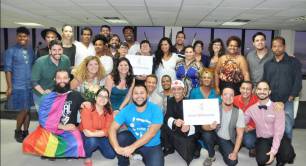
One UK social enterprise has found that encouraging entrepreneurship is empowering LGBT people against a backdrop of discrimination and violence. Alice Troy-Donovan reports.
Looking after employees who are caring for loved ones makes economic sense for employers. That is an opportunity for social enterprise, writes David Grayson.
Streaming services, adblockers... if people can choose how they consume media, how do you get their attention to support your cause? By going where they are and speaking their language, writes Mike Buonaiuto.
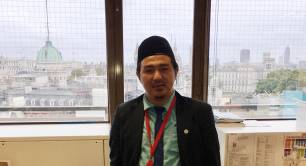
Sultan Hamidullah Atar recently negotiated with Isis as the Marawi City crisis continues. Practising conflict resolution in the Philippines, he explains how such services are social enterprises – provided by civil society and used by the community.
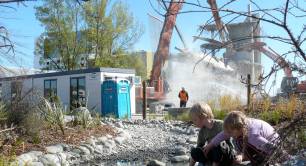
The earthquake that hit Christchurch in New Zealand in 2011 was devastating. It was followed by government intervention that limited community involvment. But now social enterprise is contributing to a more inclusive future for the city.
Will changes proposed by the Department of Transport put community transport operators out of business? Or is this a huge opportunity for social enterprises to compete fairly against purely commercial bus operators?