Leading voices from UK social enterprise, co-operatives and social investment have raised concerns over a “landmark” definition of the ‘impact economy’ that risks alienating a number of impactful organisations.
Impact Europe today revealed the name of its new chief: Angela Wiebeck, praised for “building bridges” between mainstream finance and impact over her two decades at UBS and Aquila Capital. She speaks to Pioneers Post from Brussels.
OPINION: There’s a message blowing across the Atlantic that the business of investment is to maximise return, and considering people and planet is woke nonsense. This argument is outdated, says GSG Impact chair Nick Hurd.
INTERVIEW: Putting a price tag on a company’s social and environmental impact is the only way to demonstrate its true profit and loss, believes Sir Ronald Cohen, who is now focusing on driving forward the next accounting revolution.
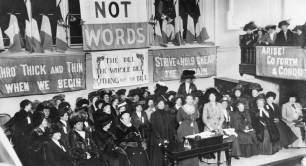
The social enterprise sector is a great place to be a woman, right? In our latest quarterly, the Pioneers Post reporting team reveals that it’s just not that simple.
A three-part mission statement ensures that ice cream company Ben & Jerry’s remains true to its founders’ aims, even after Unilever bought it in 2000. Rebecca Baron explains.
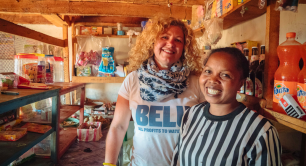
Billions of people have no access to clean drinking water, and environmental factors are to blame. This World Water Day, social enterprise Belu announces the steps it has made to reduce its carbon footprint.
Social enterprises aren’t just small and fluffy, and that shouldn’t be news to civil servants and others, says Jonathan Bland. But widespread beliefs about social enterprises’ limitations damage their ability to reach their potential.
Social enterprises often work in isolation - but working with others can have its advantages. Jean Jarvis describes the benefits of matching her social enterprise with a housing group for the past four years.
The world of business is shifting: activist and social entrepreneur Asheem Singh sees a new wave of positive change amongst the millennials, in a movement he calls the 'moral marketplace'.
Celia Hodson and her daughters have just launched Hey Girls, a “buy one give one” social enterprise to tackle period poverty. Doing business for good, they believe, means buying from other social enterprises and ethical suppliers.