Autocracy is on the rise worldwide, and impact investors seem reluctant to step in. But large-scale transformations to health, education or the environment need a strong democratic base, the Latimpacto event heard last week.
Europeans have been hit hard by unprecedented crises over a hellish summer. As the EU negotiates its next multi-year budget, it’s time for the social economy to show both policymakers and citizens it has proven solutions to tackle them, writes Toby Gazeley from Brussels.
Travel is said to broaden your horizons, and the Latimpacto conference in the Brazilian city of Manaus this week gave delegates an ideal opportunity to bring fresh eyes to their work. We asked them what they were reconsidering.
In Delhi for the first time, Asia's largest philanthropy and impact investment network, AVPN, says that despite the region's 1,000+ billionaires, its biggest challenge is the lack of Asian money.
Church of England will use initial £100m commitment to catalyse further investment to the Fund for Healing, Repair and Justice to support global African diaspora, in what is hailed as a "watershed moment" for impact investing.
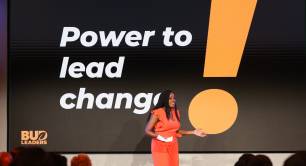
This week in the Pioneers Post newsroom, we reflect on lessons from BUD Leaders 10 Year Anniversary event, the significance of all-female presenters at the WISE100 awards, and why talk is cheap unless it is followed by action.
The WISE100 recognises the most inspiring and influential women in social enterprise, impact investment and mission-driven business. Find out who is in our Top 100 List, plus – new for this year – our 30 Ones to Watch.
Your quick guide to the news in social enterprise, impact investment and mission-driven business. This week: WFTO calls for Gaza ceasefire, the link between gender inequality and climate change, and a new resource for impact-focused VCs.
We're gearing up for this year's WISE100 awards in the Pioneers Post newsroom, and this week editor Julie Pybus reflects on some poetic inspiration from one of our winners from last year...
As the WISE100 awards ceremony fast approaches, it’s time to reveal our finalists for WISE100 Social Business Woman, Star of the Future, Social Investment Champion, Environmental Champion, and Equality & Empowerment Champion.
Your quick guide to the news in social enterprise, impact investment and mission-driven business. This week: Danone condemned for plastic pollution, impact jargon reaches 'criminal' levels, and The Body Shop closures confirmed.