

Impact Finance Bulletin: Finance-first impact investing still dominates the global market
The latest GIIN research shows market growth has cooled, but indicates little change in impact investors' behaviour. As 95% of impact assets are invested targeting market-rate returns, it feels like calls for investors to put impact first remain unanswered at scale.
The global impact investing market continues to grow, albeit at a slower pace: this is the main finding of the GIIN’s latest market sizing exercise – its highly-anticipated temperature check of the impact investing world published every two years.
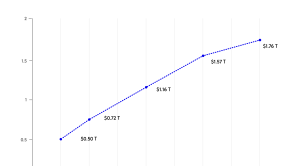
Impact investments worldwide now total US$1.76tn, according to the research, a 12% increase on 2024 figures – indicating a sharp slowdown in growth compared with the two years between 2022 and 2024 when the market grew by 35%. Whether that’s a sign of a maturing market, lower investor appetite, worsening challenges or a bit of everything remains to be established.
But other than this slower growth, the data doesn’t suggest any major changes. Impact assets under management continue to increasingly concentrate in the hands of a small number of larger players; impact investors continue to overwhelmingly target market-rate returns; and the global north continues to dominate the market – both in terms of where impact investors are headquartered and where they decide to allocate their money.
GIIN leaders rightly ask: how do we translate scale into greater effectiveness? One issue is that all of the above patterns have been flagged many times as barriers for impact capital to reach the social entrepreneurs who need it most: not making concessions on returns to pay for impact; too little power and capital directed to developing countries; a small number of big players shaping the market. Despite growing calls for impact investors to “put impact first”, we are far from the step change needed to truly support social entrepreneurs to access capital, as suggested by the Social Enterprise World Forum’s Social Investment Manifesto published just last month.
Different roles
We have to be careful not to systematically dismiss finance-first impact investing as being less impactful or less important. This month, we report on two impact venture capital funds, which have an objective to demonstrate that impact startups can be just as commercially competitive and financially attractive as regular businesses.
The first one is the Refugee Venture Fund, a VC investment fund that invests solely in startups founded by refugees in the UK. Launched by TERN, (an organisation whose work we’ve followed for several years) it aims to close the funding gap for ambitious, high-growth refugee startups who are shunned by investors simply because of limited track records and negative misconceptions. The second is Anara Impact Capital’s first fund, which invests in early stage impact startups in the Middle East and North Africa. Like the Refugee Venture Fund, Anara invests where others don’t, and part of its thesis is that investing in impact startups doesn’t mean lower returns.
Talking about the debate around impact-first or finance-first impact investing with Anara principal Mohamed Hussain, I found his perspective interesting: there is no right or wrong approach, he says, but different types of investors need to play different, complementary roles if we want to build a strong impact investing sector – from venture philanthropy providing grants to social entrepreneurs to finance-first investors enabling mature impact businesses to expand.
“I think we all have to agree that we just have different roles to play, and the ecosystem needs all of these different players,” he says.
On our radar:
- Number lovers, fear not: the market sizing season is not over! We’re expecting key reports on the social investment market in the UK and the impact investing market in Europe to be published in November, to give us further insights on how the sector is evolving.
- For those in the UK, the Burnham government’s first budget was unveiled yesterday – check out our coverage on Pioneers Post to find out what it means for impact investors.
- Next month’s lead impact finance gathering is the African Venture Philanthropy Alliance (AVPA) annual conference, taking place in Cape Town, South Africa, on 9-11 November under the theme 'Beyond Aid: Financing Africa's Future for Sustainable Impact'. Get your tickets here.

| Ready to invest in independent, solutions-based journalism?
Our paying members get unrestricted access to all our content, while helping to sustain our journalism. Plus, we’re an independently owned social enterprise, so joining our mission means you’re investing in the social economy. |