
UK budget 2026: impact leaders tell us what matters
We’ve asked leaders of the social enterprise and impact community about their takeaways on the Burnham government’s first budget. From homelessness to support for small businesses and community lenders, here’s what you need to know.
This week, UK Chancellor John Healey delivered his, and prime minister Andy Burnham’s, first budget. While it bears no specific mention of social enterprise, which some in the sector had hoped for, a plethora of small measures could support the impact community. They have been generally welcomed – but whether they achieve their full potential remains to be seen.
We’ve asked leaders of social enterprises, social investors and sector networks to share their thoughts to find out what will matter to you in this year’s red book.
Housing and homelessness: an opportunity to be seized
As indicated early in Andy Burnham’s premiership, tackling homelessness and increasing the provision of affordable homes will be a key focus of this government, which was confirmed in the budget with an additional £432m allocated to ending rough sleeping, doubling total new investment towards the issue to £874m.
The budget also committed to an additional £1.5bn to boost council and affordable housing, bringing total investment in the sector to over £40bn.
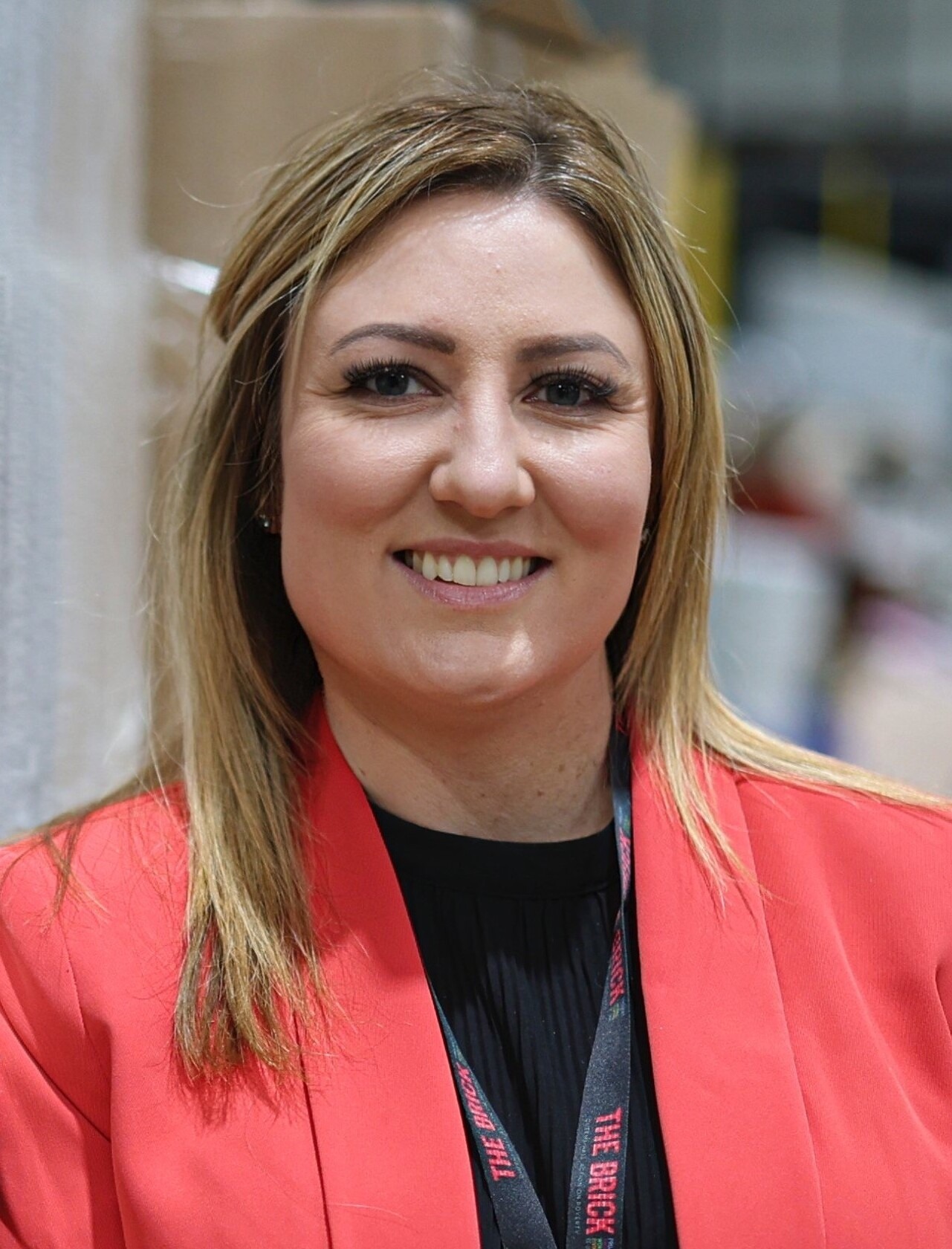
Keely Dalfen (pictured), CEO of the Brick, a social enterprise tackling poverty in Wigan, welcomed the announcements: “As a charity working on the frontline in Wigan and Leigh, we know that a bed can save a life, but a home, alongside the right support, can transform one.”
She pointed to the focus on preventative measures – something many social enterprises provide – as the right approach. “The proposed ringfencing of preventative spending could be a gamechanger, provided communities and social enterprises are genuinely trusted to deliver,” Dalfen said. “Our current homelessness initiatives demonstrate what happens when businesses, communities and charities mobilise around a shared moral responsibility.
“Government investment matters enormously. But ending homelessness will require more than funding announcements. It demands long-term commitment, genuine partnership and the courage to tackle the inequalities that cause it.”
Nick Temple, CEO of social investor Social Investment Business, said the organisation “hopes and expects” that social enterprise and charities should be “at the centre” of the government’s plan to end homelessness. But how much the government is going to include, and trust, social enterprises and social investors as part of the solution remains to be seen.
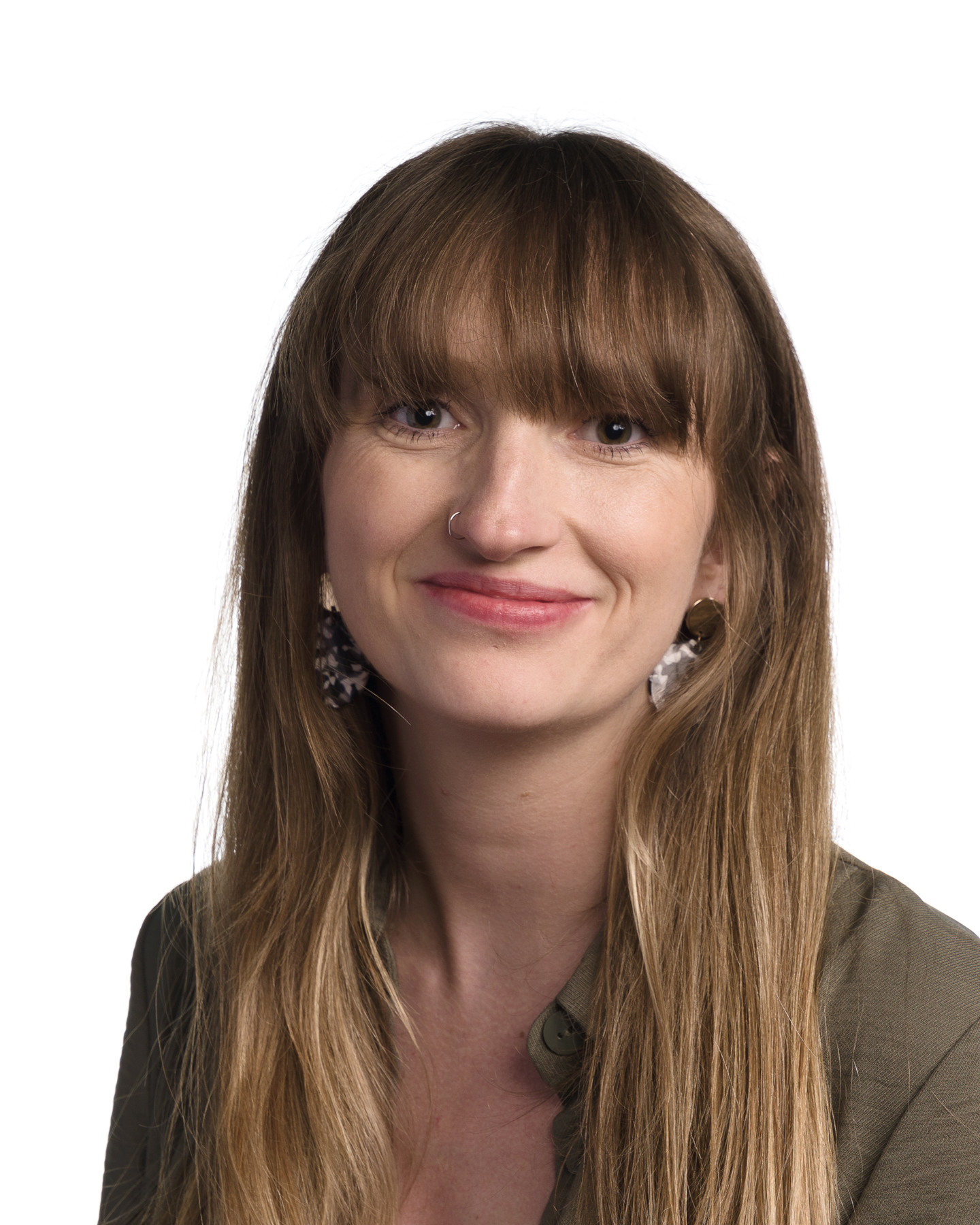
Sarah Hopley (pictured), head of Venture Studio from Crisis, the homelessness charity, which invests in businesses building solutions to the housing crisis, made the case for the government to work with entrepreneurs as partners. She said the budget was a “clear step forward in our mission to end homelessness”, but funding alone wouldn’t be enough, as homes were needed urgently. “That’s a big opportunity for innovators and entrepreneurs,” she said. “This government’s ambition shows that ending homelessness is within our reach and entrepreneurs play a key role in helping us get there.”
Stephen Muers, CEO of UK social investment wholesaler Better Society Capital, told Pioneers Post the scale of the challenge meant government funding alone wouldn’t be enough. “We need billions of pounds to tackle the kind of homelessness problem that we’ve got,” he said. “I think the government’s commitment is really important, but that’s not going to be the whole answer… We need to press all the buttons at once in terms of the different sources of capital here.”
Social investment, including using it as a way of bringing more institutional capital into the “higher impact, higher quality areas of affordable housing”, would be crucial, he added.
Relief for small businesses?
In his Budget speech, Healey declared himself “a chancellor who champions the small British firms that give character to our communities,” announcing a number of measures to “support our high streets”.
Most prominent among these was raising the threshold for 100% relief of business rates for retail, hospitality and leisure businesses from the previous figure of a rateable value (based on a premises’s estimated annual rental value) of £12,000 to a new level of £18,000. The government estimates that will mean 70,000 small businesses will stop paying property tax entirely from 1 April 2027 (when the measure comes into effect).
Businesses whose rateable value is between £18,000 and £20,999 will pay tapered business rates. Businesses of a rateable value of £21,000 or above will pay business rates in full, but will get a two-year real-terms freeze.
Pubs, social clubs and all but the largest live music venues in England will receive an extra 20% business rates relief from April 2027, in addition to the 15% relief announced earlier this year, bringing the total support to 35%.
Many social enterprises – cafes, shops and community owned pubs, for example – are likely operating on the scale and in the industries the government is targeting.
While data on the rateable value of social enterprise business premises isn’t available, sector research shows social enterprises are mostly small businesses, which the government seems committed to support through those measures: Social Enterprise UK's State of Social Enterprise 2025 report found that of the 84,000 social enterprises operating in England, 78% had a turnover or income of less than £1m and 38% have 2-9 employees. The same report found 5% of social enterprises trade in leisure and culture activities, 4% operate in the hospitality sector and 7% in retail – meaning 16% operate within the sectors eligible for the expanded relief.

Jovan Owusu-Nepaul (pictured), head of public affairs at Social Enterprise UK, welcomed the rise in business rates relief, but said the sector could have been further supported by the Treasury extending the 80% business rates relief available to all charities to social enterprises.
Healey also announced 3.9% increases to the minimum wage and national living wage. Owusu-Nepaul argued that while fair pay was an important national priority, many social enterprises would have concerns about the increase in national living wage – even as more than 8 in 10 already pay their employees the higher “real living wage”, according to Social Enterprise UK research.
- Read more: UK Labour conference – at last a government truly committed to building a social economy?
Owusu-Nepaul said: “Social businesses that deliver vital public services often operate within fixed, multi-year government contracts that do not adequately account for rising employment costs. We must ensure these organisations are properly supported to pay their staff fairly without compromising the services communities depend on.”
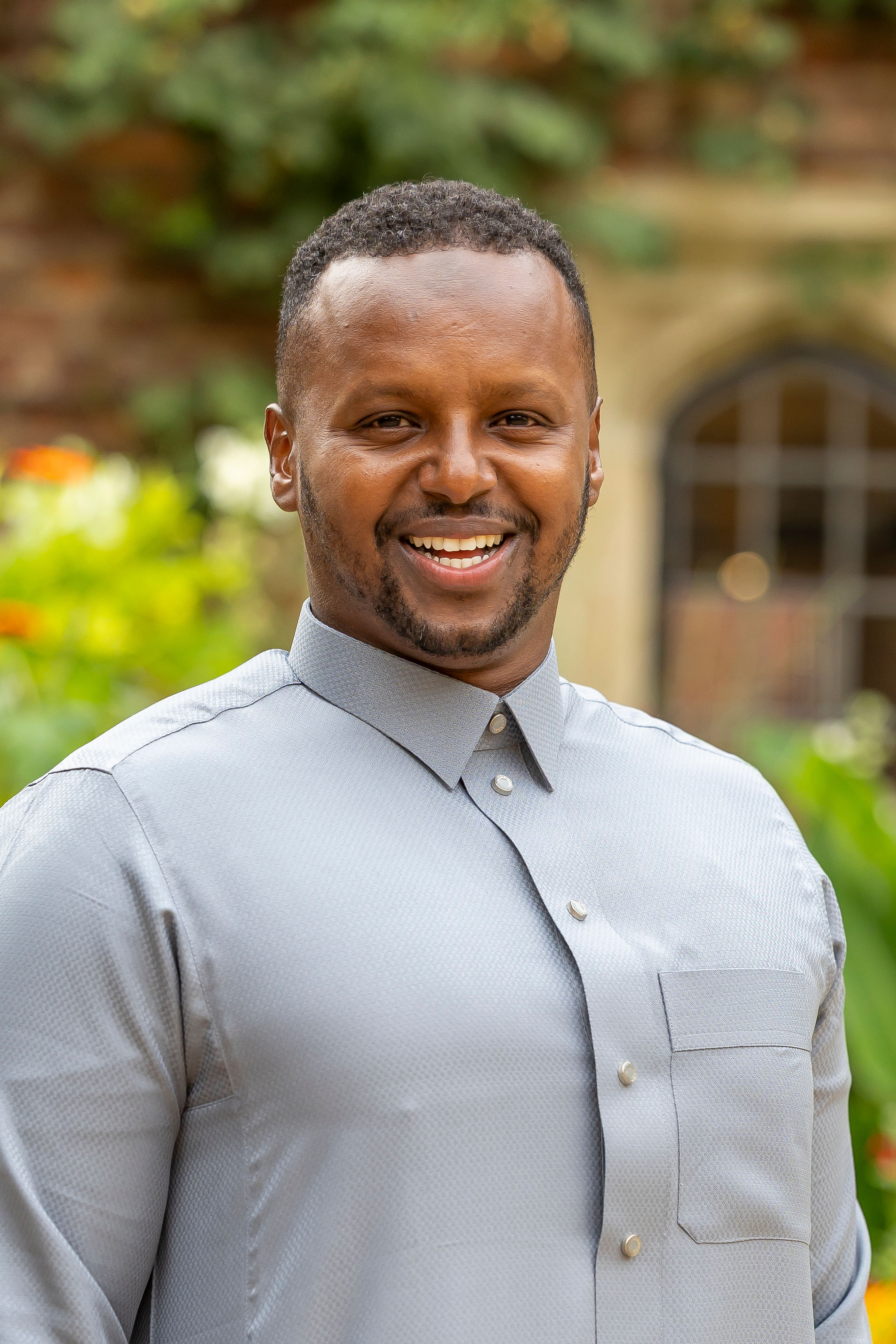
Abdirahim Hassan, co-founder of social enterprise Coffee Afrik, said that for independent cafés, shops and community businesses operating on narrow margins, reducing fixed costs like business rates could protect jobs, sustain livelihoods and keep local economic life flourishing.
But, he believes the test of the budget will be whether it enables community-rooted organisations like Coffee Afrik to overcome structural inequalities in access to capital, affordable premises, procurement and long-term investment. Coffee Afrik grew from a café, community garden and food co-op to run more than 30 sites and projects in east London.
Hassan said: “The real measure of a successful budget is not simply how many businesses receive relief, but whether communities historically excluded from economic power gain the means to build, own and sustain their futures.”
Support for entrepreneurs, but which entrepreneurs?
Concerns around access to finance and economic agency, similar to those raised by Hassan, have also been shared in relation to another of the budget’s focus areas.
Healey made a range of announcements aimed at supporting founders and entrepreneurs to launch, sustain and scale businesses. These included a young entrepreneurs allowance, which would cover a year of living costs, a trading allowance increase from £1,000 to £3,000 and a £5bn increase in financial capacity for the British Business Bank.
Without deliberate action, these resources risk reinforcing existing inequalities in access to capital
Bayo Adelaja (pictured), CEO of Do it Now Now, an organisation dedicated to supporting Black-led charities, social enterprises and entrepreneurs in the UK, welcomed the government’s stated ambition to deliver economic growth “in every postcode” and the additional investment through the British Business Bank, alongside greater local control over economic development.
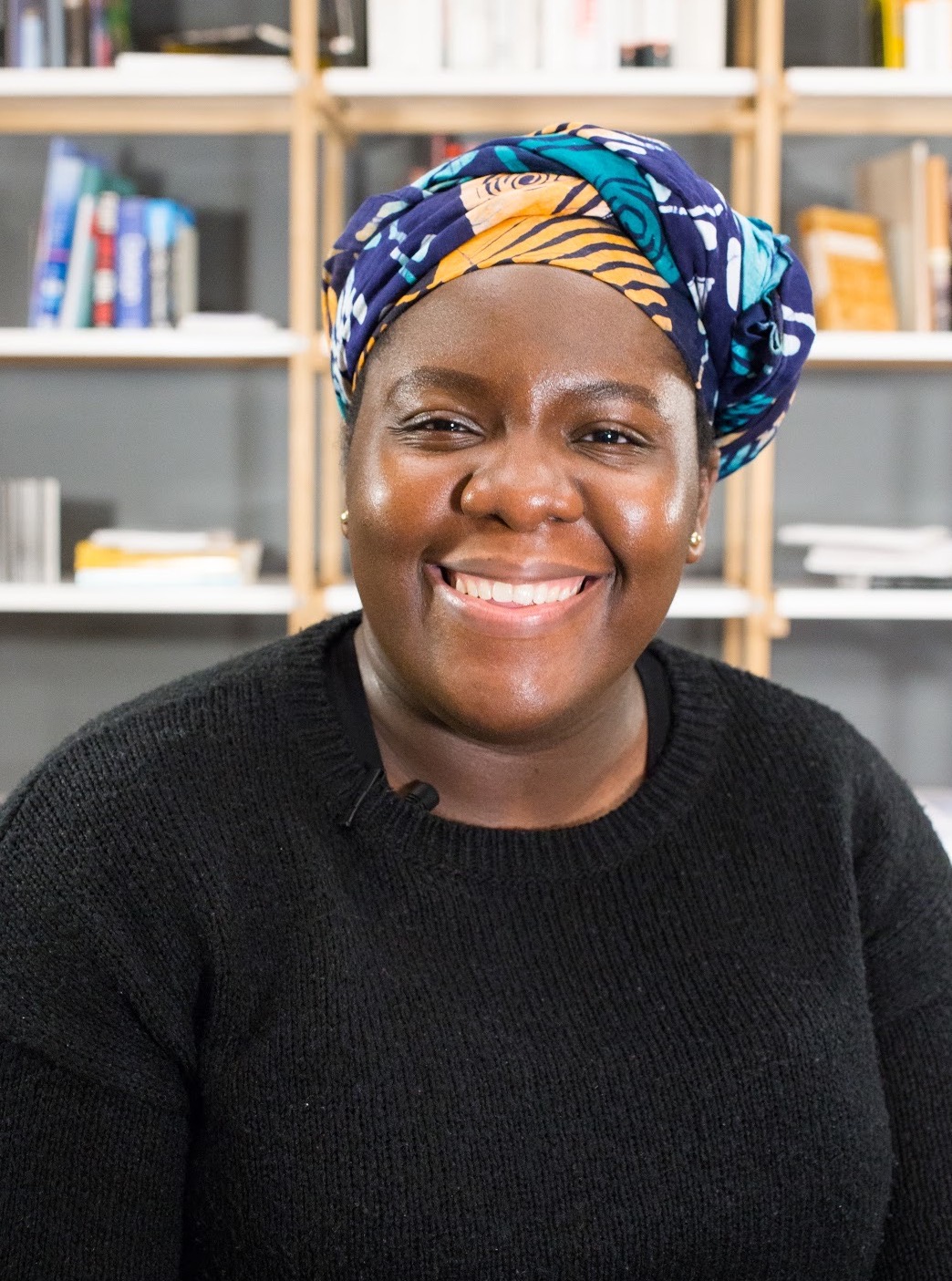
But growth cannot be genuinely inclusive if the people and organisations closest to communities remain furthest from the resources needed to deliver impact, said Adelaja, and “without deliberate action, these resources risk reinforcing existing inequalities in access to capital.”
Echoing Hassan’s warning, Adelaja said: “We need government to look beyond how much money is being committed and examine who can realistically access it. That means proportionate funding requirements, investment in organisational capacity, and meaningful participation from community-led organisations in local economic decision-making.”
Umesh Kumar, CEO of Allia Impact, said the budget showed the government was putting a real emphasis on backing founders and unlocking investment, but he added there was a need for more ambition regarding which businesses can access funding.
Support for commercially viable businesses tackling social challenges needs to reach beyond the usual places and networks, believes Kumar. He said: “There's no shortage of talent or ambition across our regions and communities but there is still a real gap in access to finance, opportunities and support.”
The budget placed a specific focus on supporting women founders, including a new scale-up programme to help women founders overcome barriers to fundraising and growth and the British Business Bank increasing its support for women-led businesses and funds, with a further £100m commitment next financial year, on top of the £100m planned for this year.
Lars Hagelman, chief operating officer of Big Issue Invest, said this kind of funding had the ability to “supercharge long-term change for the UK’s marginalised communities” and “helps power local-led solutions to many of society’s challenges”.
CDFIs ‘valued and recognised’ with new funding
One encouraging measure for underserved entrepreneurs is the budget announcement of £165m of new funding for community development finance institutions (CDFIs) to invest in businesses overlooked by mainstream lenders.
The funding will be provided over three years through the British Business Bank, as part of the Community ENABLE Funding programme (CEF), building on the bank's existing support for community lenders – including Social Investment Scotland, Finance for Enterprise and BCRS Business Loans in Wales, which receive a specific mention in the budget.
Theodora Hadjimichael, CEO of Responsible Finance, the UK membership body for CDFIs, welcomed the announcement as “amazing news for small businesses”.
We’re thrilled that CDFIs’ expertise in backing and supporting entrepreneurial talent across the UK is valued and recognised
“Our members back the startups of today and the scale-ups of tomorrow and this significant boost in funding through the British Business Bank means community lenders can reach many of Britain’s great entrepreneurs who need finance and value our support on their growth journeys,” she said. “We’re thrilled that CDFIs’ expertise in backing and supporting entrepreneurial talent across the UK is valued and recognised – and excited to help deliver growth in every postcode.”

Better Society Capital’s Muers (pictured) said the additional CDFI investment was “very positive”. “That sector is growing and I think there is much more that can be done,” he said. Better Society Capital was already working with the British Business Bank and CDFIs, he explained. “Together we’ve helped more than 960 small businesses get the finance they need.”
The catalytic nature of British Business Bank’s funding – used to crowd in further investment from social or commercial investors – also meant that it didn’t need “a huge amount of money to make a difference”, Muers added.
The Office for the Impact Economy gets a job
A specific mission handed to the Office of the Impact Economy – which many feared was being sidelined by the Burnham government – has been welcomed by the impact community. The budget allocated £15m to the Office “to work with businesses, investors and philanthropists to mobilise additional funding to support women and girls and underpin the work of the National Taskforce for Tackling Misogyny, chaired by the Minister for Women and Equalities”.
- Read more: Mixed reactions as UK’s Office for the Impact Economy is pushed out of the ‘heart of government’
The money is to be invested over three years, in initiatives that could include mentoring for young people, workplace training and communications campaigns to improve outcomes and safety for women and girls across the country.
Muers said it was “reassuring” to see the Office being given a specific mission, together with a funding pot, that fits within the Burnham government’s agenda.
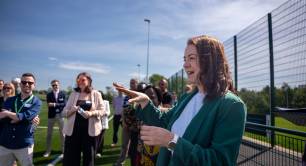
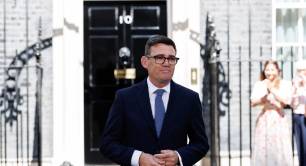
Top image: Chancellor John Healey prepares to deliver the budget on 28 October 2026. Picture by Kirsty O'Connor / No 10 Downing Street.

| Ready to invest in independent, solutions-based journalism?
Our paying members get unrestricted access to all our content, while helping to sustain our journalism. Plus, we’re an independently owned social enterprise, so joining our mission means you’re investing in the social economy. |