Leading voices from UK social enterprise, co-operatives and social investment have raised concerns over a “landmark” definition of the ‘impact economy’ that risks alienating a number of impactful organisations.
Impact Europe today revealed the name of its new chief: Angela Wiebeck, praised for “building bridges” between mainstream finance and impact over her two decades at UBS and Aquila Capital. She speaks to Pioneers Post from Brussels.
OPINION: There’s a message blowing across the Atlantic that the business of investment is to maximise return, and considering people and planet is woke nonsense. This argument is outdated, says GSG Impact chair Nick Hurd.
INTERVIEW: Putting a price tag on a company’s social and environmental impact is the only way to demonstrate its true profit and loss, believes Sir Ronald Cohen, who is now focusing on driving forward the next accounting revolution.
The way your social enterprise is identified in the eyes of the law can fundamentally affect the business. We went to Myles Cooper of Inspire2enterprise for some clarification.
Giving up the helm of the social venture you've nurtured from start-up is one of the hardest things you will go through as a social entrepreneur. Liam Black talks exit strategies and knowing when to hand over the reins.
Household favourite Johnson & Johnson is aiming to spend £15m in the social enterprise sector to make its supply chain more socially and environmentally responsible.
"Providing world-class products and services is the expected norm" for brands such as Apple and John Lewis – the same should be so for social ventures.
It's time to end the contradiction and confusion when it comes to vocabulary in the social sector investment sphere. Impact investment, social investment, ethical investment – Phil Caroe from UK social investment charity Allia explains what's what.
Emmet Regan of Mutual Ventures argues that public services need to make more of their greatest asset - the people on the frontline. Here are five ways public services can work better.
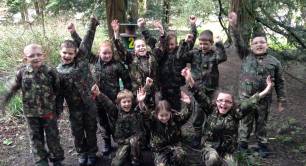
Attention! Challenger Troop demonstrates how developing practical skills including bushcraft and leadership in young people improves academic performance and behaviour in school.