Autocracy is on the rise worldwide, and impact investors seem reluctant to step in. But large-scale transformations to health, education or the environment need a strong democratic base, the Latimpacto event heard last week.
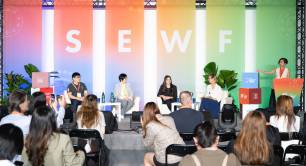
Social Enterprise World Forum’s Social Investment Manifesto calls for a reframing of social investment, as social enterprises remain excluded from investment opportunities in a market still split between profit maximisation and philanthropy.
Europeans have been hit hard by unprecedented crises over a hellish summer. As the EU negotiates its next multi-year budget, it’s time for the social economy to show both policymakers and citizens it has proven solutions to tackle them, writes Toby Gazeley from Brussels.
Travel is said to broaden your horizons, and the Latimpacto conference in the Brazilian city of Manaus this week gave delegates an ideal opportunity to bring fresh eyes to their work. We asked them what they were reconsidering.
This week: What Canada’s first state of social enterprise survey in 10 years reveals, UK impact leaders celebrated in King’s Birthday Awards, 50 Europeans impact startups to watch announced, and more.
Award-winning social entrepreneur Keely Dalfen talks to Tim West about how she leads anti-poverty charity the Brick with quiet determination: running a charity like a business, making brutal calls on money when needed – and putting the dignity of the people they support first and foremost.
OPINION: Social entrepreneurs feel increasingly disconnected from the $1.5tn allocated to impact and which claims to be on their side. This is what happens when capital forgets to put impact first, says Caroline Bressan of Open Road Impact.
New research quantifies “tradeoff” between impact and financial return for the first time, but warns not to confuse cost of creating impact with fund inefficiency and calls for more philanthropic capital to back impact-first investing.
The SEWF biennial event, normally one of the biggest gatherings of social entrepreneurs from across the world, will not take place in 2027, but organisers will convene delegates regionally.
The CEO of the UK’s blended finance wholesaler leaves an impressive record from his 11-year tenure, but his successor will have to meet high ambitions and upcoming challenges.
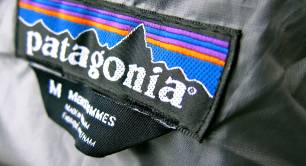
Few companies have gone as far as Patagonia to bake in purpose in their DNA, but a trade mark dispute against an influencer drag queen – and the social media storm that ensued – could harm its hard-earned reputation.